

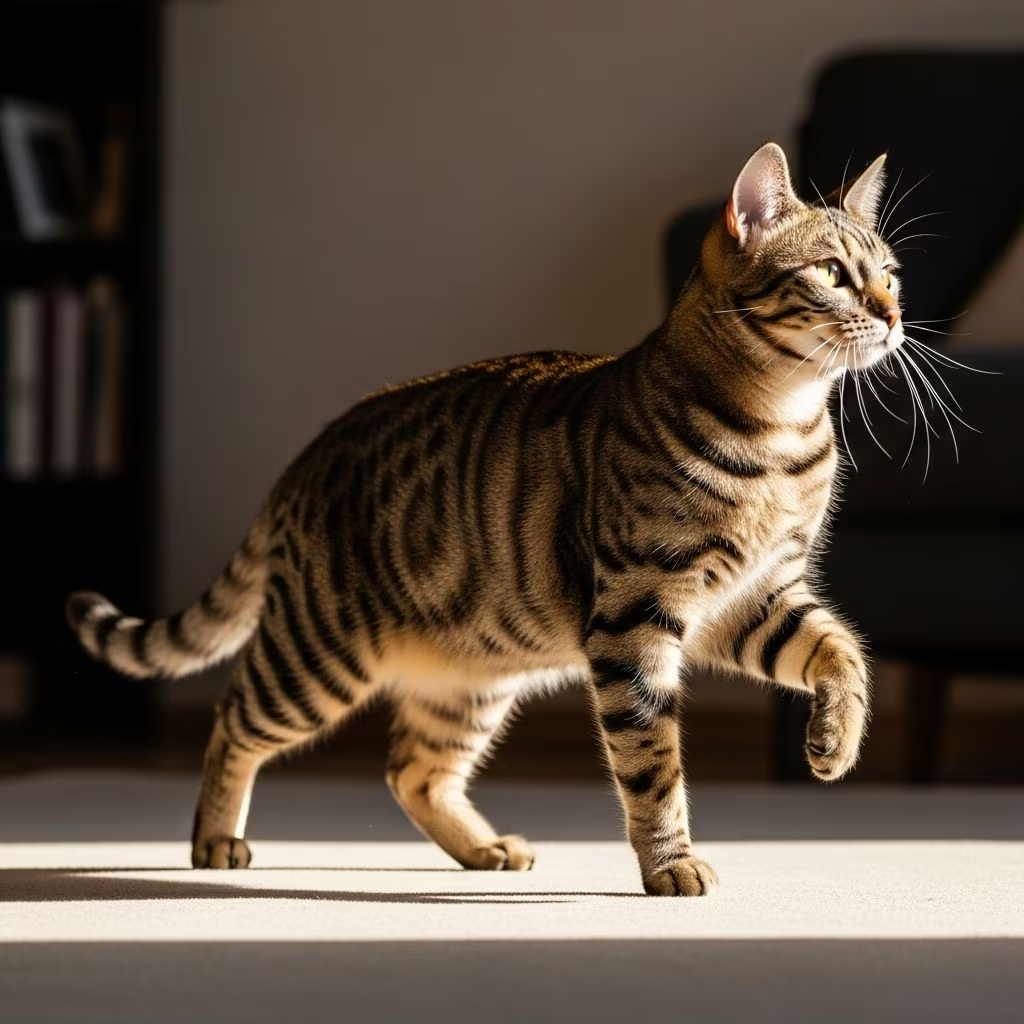
Observing your cat pacing back and forth can be concerning, as this behavior often deviates from their typical calm demeanor. Pacing in cats, characterized by restless walking or circling without purpose, may stem from benign reasons like boredom or signal serious underlying health problems requiring veterinary intervention.
What Does Pacing in Cats Look Like?
Pacing typically involves a cat repeatedly walking in a straight line, circling, or moving aimlessly around the house, often unable to settle down. This differs from normal patrolling or hunting play, as it appears compulsive and prolonged. Cats may pace at night, meow excessively, or show signs of agitation, such as dilated pupils or a twitching tail.
- Frequency: Occasional vs. constant pacing.
- Duration: Short bursts or hours-long episodes.
- Accompanying signs: Head tilting, stumbling, vocalizing, or changes in appetite.
If pacing is sudden and persistent, it could indicate an emergency, such as neurological issues or toxin exposure.
7 Common Reasons Why Cats Pace
Several factors contribute to feline pacing. Understanding these helps determine if it’s behavioral or medical.
1. Stress or Anxiety
Cats are sensitive to environmental changes, leading to anxiety-induced pacing. Triggers include new pets, moving homes, loud noises, or routine disruptions. Anxious cats pace to release restless energy, hide, or vocalize more.
Symptoms: Restlessness, hiding, decreased appetite, trembling. Help by providing safe spaces, pheromone diffusers, and maintaining routines.
2. Boredom
Indoor cats with insufficient stimulation may pace from under-stimulation. Lack of play, toys, or vertical spaces leads to frustrated energy.
Solution: Enrich the environment with scratching posts, puzzle feeders, and daily interactive play sessions lasting 15-30 minutes.
3. Hyperthyroidism
Common in senior cats, hyperthyroidism causes an overactive thyroid, speeding metabolism. Affected cats pace restlessly, show increased appetite yet weight loss, excessive thirst, and hyperactivity.
Diagnosis via blood tests reveals elevated thyroid hormones. Treatment includes medication, radioactive iodine therapy, or surgery.
4. Feline Cognitive Dysfunction (Dementia)
Similar to Alzheimer’s in humans, feline dementia affects older cats, causing disorientation and pacing. They may stare into space, meow at night, sleep irregularly, and neglect grooming.
Management: Consistent routines, brain-stimulating toys, Omega-3 supplements, and vet-prescribed antioxidants. Environmental stability reduces confusion.
5. Pain or Discomfort
Arthritis, injuries, gastrointestinal issues, or nausea prompt pacing as cats seek comfortable positions. Joint pain in seniors leads to prolonged pacing until exhaustion.
Other signs: Limping, reduced activity, aggression when touched. Veterinary pain meds and joint supplements like glucosamine help.
6. Hormonal Changes or Heat Cycles
Unspayed females pace and vocalize during estrus (heat), seeking mates. Males may pace if sensing nearby females. Spaying/neutering prevents this.
7. Neurological or Vestibular Issues
Conditions like ear infections, vestibular disease, brain tumors, trauma, or toxins cause circling and pacing due to balance loss. Accompanied by head tilt, nystagmus (rapid eye movement), ataxia, or seizures.
Emergencies require immediate vet care; diagnostics include bloodwork, imaging (MRI/CT), and neurological exams.
When to Worry About Cat Pacing
Not all pacing warrants alarm, but certain red flags do:
- Sudden onset in previously calm cats.
- Pacing with neurological symptoms (circling one way, head tilt, falling).
- Accompanied by vomiting, lethargy, appetite loss, or behavioral changes.
- Persistence beyond 24-48 hours or worsening.
Chronic pacing in seniors may indicate dementia or hyperthyroidism; always consult a vet for bloodwork and exams.
How to Stop Cat Pacing: Diagnosis and Treatment
Veterinary evaluation is crucial. Expect:
| Test | Purpose |
|---|---|
| Physical Exam | Check for injuries, pregnancy, neurological deficits. |
| Bloodwork | Detect thyroid issues, infections, organ function. |
| Imaging (X-ray, Ultrasound, MRI) | Identify tumors, vestibular problems. |
Treatments vary: Anxiety meds, thyroid therapy, pain relief, or environmental changes. Behavioral pacing responds to enrichment; medical causes need targeted care.
How to Help a Pacing Cat at Home
- Enrich Environment: Add cat trees, window perches, interactive toys.
- Play Daily: Use wand toys to tire them out.
- Reduce Stress: Feliway diffusers, quiet spaces.
- Diet Check: Senior formulas for cognitive health.
- Monitor: Video habits for vet discussion.
For seniors, maintain consistency to ease dementia symptoms.
Prevention Tips for Cat Pacing
Proactive steps minimize risks:
- Spay/neuter early.
- Annual senior vet checkups (bloodwork from age 7+).
- Mental/physical stimulation daily.
- Secure toxins, safe environment.
Early detection via routine exams prevents escalation.
Frequently Asked Questions (FAQs)
What does it mean when a cat paces back and forth?
It indicates unrest from stress, boredom, pain, or illness like hyperthyroidism. Vet evaluation rules out medical causes.
Why is my elderly cat pacing at night?
Likely dementia causing disorientation and sleep changes. Use routines, play, and supplements like Omega-3s.
Is pacing a sign of pain in cats?
Yes, especially arthritis or GI upset; they pace seeking relief. Look for limping or sensitivity.
Can hyperthyroidism cause pacing?
Absolutely; it boosts metabolism, leading to restlessness and weight loss despite hunger. Blood tests confirm.
When should I take my pacing cat to the vet?
Immediately if sudden, with other symptoms, or persistent. Early intervention is key.
References
- Pacing in Cats – Causes, Treatment and Associated Symptoms — Vetster. 2023. https://vetster.com/en/symptoms/cat/pacing-in-cats
- Why Is My Cat Pacing? — Dutch. 2023. https://www.dutch.com/blogs/cats/cat-pacing
- How To Tell if Your Cat is in Pain — VEG ER for Pets. 2023. https://www.veg.com/post/6-ways-to-tell-if-your-cat-is-in-pain
- 5 Reasons Your Cat Is Pacing and How To Help — Cats.com. 2023. https://cats.com/cat-pacing
- Have a Cat Walking in Circles? Causes and Treatment — Chewy. 2023. https://www.chewy.com/education/cat/health-and-wellness/my-cat-has-started-walking-in-circles
- The Ultimate Guide to Cat Anxiety — PetMD. 2023. https://www.petmd.com/cat/conditions/behavioral/c_ct_fear_phobia_anxiety



