

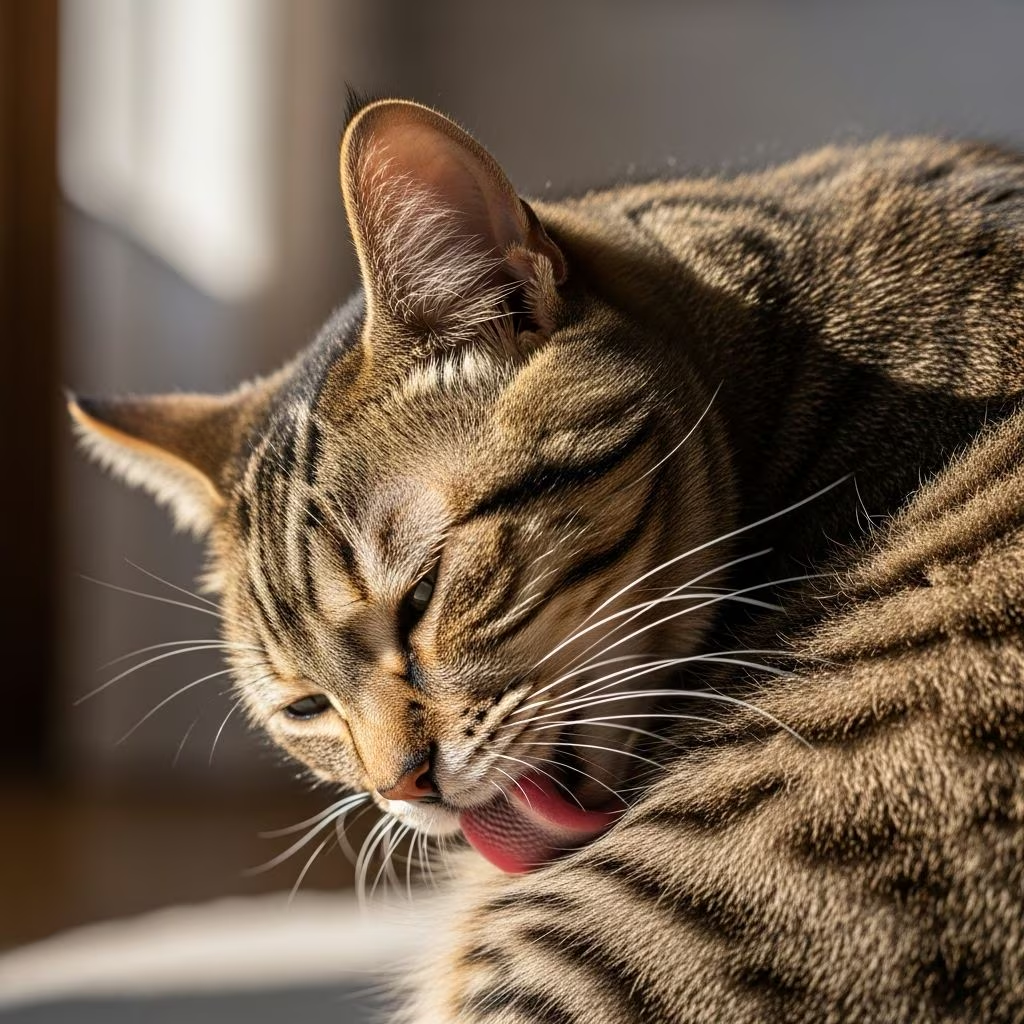
Cats are meticulous self-groomers, dedicating 30-50% of their waking hours to licking and maintaining their fur. However, when grooming becomes excessive, leading to bald patches, skin irritation, or wounds, it signals an underlying issue. Over-grooming, also known as psychogenic alopecia, can stem from medical conditions like allergies or pain, or behavioral factors such as stress. Prompt veterinary intervention is crucial to prevent complications like infections, hairballs, or intestinal blockages.
What Does Over-Grooming Look Like?
Recognizing over-grooming early helps address the root cause before damage worsens. Common signs include:
- Hair loss or bald patches, often on the abdomen, inner thighs, flanks, base of tail, or legs.
- Skin redness, sores, scabs, or inflammation in groomed areas.
- Excessive licking, biting, chewing, or scratching that interrupts normal activities like eating or playing.
- Increased hairballs or vomiting fur due to ingestion.
- Behavioral changes, such as irritability, restlessness, or grooming in response to stress.
These symptoms differ from normal grooming, where cats maintain a sleek coat without visible damage. Bald skin heightens risks of sunburn, frostbite, or secondary infections from constant tongue abrasion.
Medical Causes of Over-Grooming in Cats
Most cases of over-grooming have a physical trigger. Cats lick excessively to soothe itchiness, pain, or discomfort. Key medical causes include:
Skin Problems and Allergies
Skin conditions top the list, with hypersensitivity to irritants prompting intense grooming. Flea allergic dermatitis is prevalent—even a single flea bite can trigger severe itching from saliva reaction, causing hair loss at the tail base. Other allergies involve food proteins, pollen, or environmental factors like dust mites, leading to paw chewing or generalized licking.
Infections such as ear mites cause neck and ear scabbing, while bacterial or yeast overgrowth exacerbates wounds. Dietary intolerances to grains, preservatives, or byproducts may also provoke tummy-related grooming.
Pain and Discomfort
Pain from injuries or illnesses localizes over-grooming. Feline lower urinary tract disease (FLUTD) often results in bald patches on the lower belly, thighs, and genitals due to bladder pain. Back pain, anal sac issues, or injuries like paw cuts, sprains, or muscle strains prompt targeted licking.
Feline hyperaesthesia syndrome, a neurological condition, causes skin twitching, rippling, and sudden grooming bursts on the back or tail, sometimes escalating to self-mutilation.
Parasites
Besides fleas, mites, lice, or ticks irritate the skin, driving over-grooming. Patterns like tail-base baldness strongly suggest parasites.
Behavioral Causes: Stress and Boredom
While medical issues initiate most cases, stress amplifies or sustains over-grooming. Cats self-soothe via endorphin-releasing licking during anxiety, potentially becoming compulsive. Triggers include household changes (new pets, moves, family additions), boredom in indoor environments, or owner stress that cats mirror.
Oriental breeds like Siamese may be prone to psychogenic alopecia, plucking fur purely from stress, though evidence is anecdotal. Unlike medical grooming, stress-related cases lack primary skin changes but lead to symmetric hair loss.
How to Stop Your Cat from Over-Grooming
Treatment hinges on diagnosis. Never self-medicate; always consult a vet first.
Step 1: Veterinary Evaluation
Your vet will perform a physical exam, skin scrapes, allergy tests, bloodwork, or imaging to rule out medical causes. They may shave patches for biopsies or check for FLUTD via urinalysis.
Medical Treatments
| Cause | Treatments |
|---|---|
| Fleas/Allergies | Year-round flea preventives, antihistamines, steroids, hypoallergenic diets, medicated shampoos. |
| Infections/Pain | Antibiotics, anti-inflammatories, pain meds; address FLUTD or injuries specifically. |
| Parasites | Topical/oral treatments like selamectin or fipronil. |
For allergies, elimination diets (8-12 weeks) identify food triggers. Pain management improves comfort rapidly.
Behavioral Interventions
- Environmental Enrichment: Provide scratching posts, puzzle feeders, window perches, and daily play sessions (15-30 minutes) to combat boredom.
- Stress Reduction: Use pheromone diffusers (Feliway), maintain routines, create safe spaces, and separate conflicting pets.
- Distraction Techniques: Bitter sprays (e.g., Grannick’s Bitter Apple) on bald spots, cone collars (e-collars) temporarily, or grooming gloves to redirect.
- Professional Help: Behaviorists may prescribe anti-anxiety meds like fluoxetine for severe cases.
Owner grooming with soft brushes monitors skin and reduces loose fur ingestion.
Preventing Over-Grooming in Cats
Proactive steps minimize risks:
- Monthly flea prevention year-round, regardless of lifestyle.
- High-quality, limited-ingredient diets to avoid allergies.
- Regular vet check-ups for early detection.
- Stress-free homes with ample resources (litter boxes, beds, toys per cat).
- Monitor for changes post-life events.
Indoor cats benefit from interactive toys and vertical spaces to mimic hunting.
When to See a Vet Urgently
Seek immediate care if over-grooming accompanies vomiting, diarrhea, limping, lethargy, appetite loss, or open wounds. Rapid progression risks infections or blockages. Early action restores your cat’s comfort and coat.
Frequently Asked Questions (FAQs)
Is over-grooming in cats dangerous?
Yes, it can cause skin infections, hairball obstructions, and chronic discomfort if untreated.
Can stress alone cause bald spots in cats?
Yes, psychogenic alopecia from stress leads to symmetric hair loss without primary skin disease.
How long does it take to treat cat over-grooming?
Varies; medical issues resolve in weeks with treatment, while behavioral changes may take months.
Do all cats over-groom due to fleas?
No, though common; allergies, pain, and stress are equally frequent culprits.
Can I treat my cat’s over-grooming at home?
Only supportively after vet diagnosis; never skip professional evaluation.
References
- Over-grooming in cats — International Cat Care. 2023. https://icatcare.org/articles/over-grooming-in-cats
- Cats that Lick Too Much — Cornell University College of Veterinary Medicine. Accessed 2026. https://www.vet.cornell.edu/departments-centers-and-institutes/cornell-feline-health-center/health-information/feline-health-topics/cats-lick-too-much
- Why Cats Overgroom and How You Can Stop It — PetMD. 2024-01-15. https://www.petmd.com/cat/general-health/how-tell-if-your-cat-over-grooming
- Overgrooming: How to Know When Your Cat is Overgrooming — Vetwest Veterinary Clinics. 2023. https://www.vetwest.com.au/pet-library/overgrooming-how-to-know-when-your-cat-is-overgrooming/
- Cat Overgrooming: What’s Normal and What Isn’t? — Bond Vet. 2024. https://bondvet.com/blog/cat-overgrooming



