

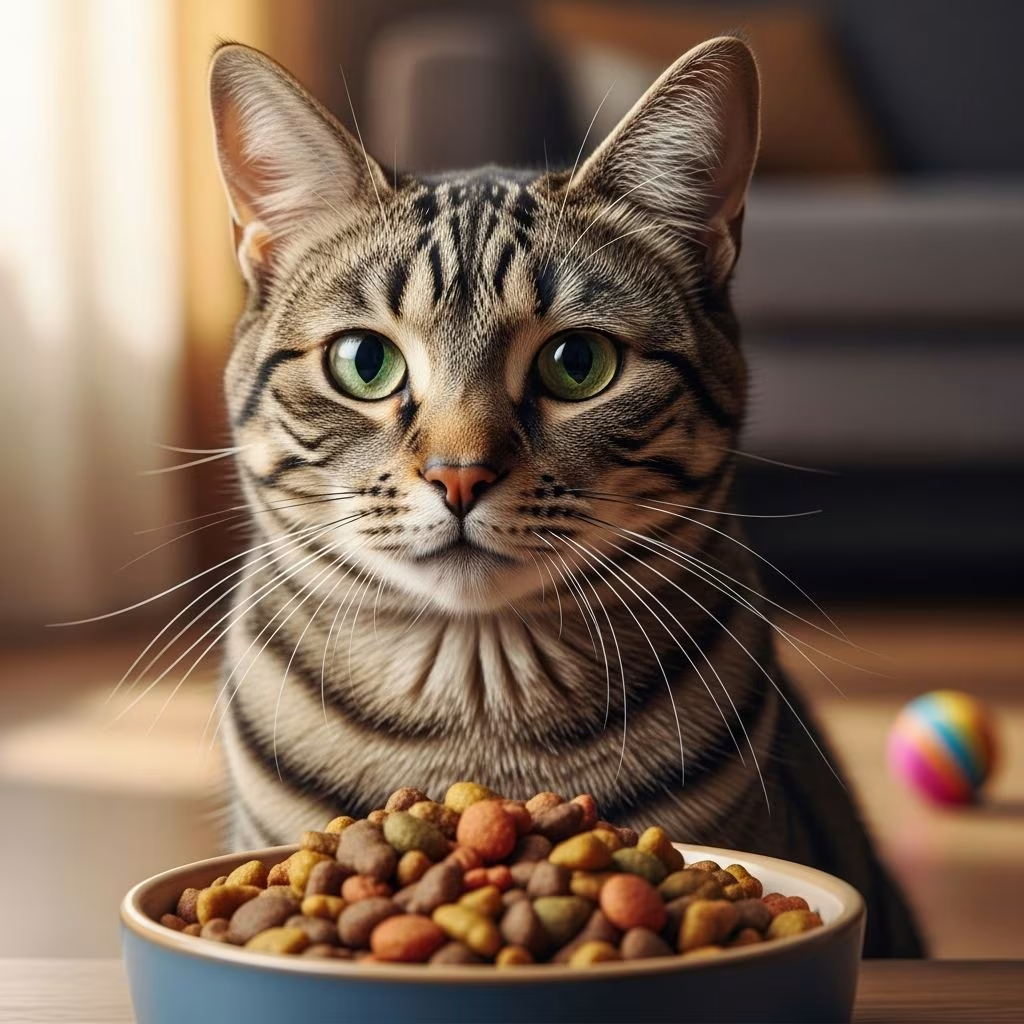
Why Is My Cat Not Eating: Understanding Your Feline’s Appetite Loss
A loss of appetite in cats is a concerning issue that requires immediate attention from pet owners. When your cat suddenly refuses to eat, it can signal anything from a minor dietary preference change to a serious underlying health condition. Understanding the various reasons why your cat might not be eating is the first step toward addressing the problem and ensuring your feline companion receives the care they need.
Cats are known for being particular about their food, but when they completely stop eating, it’s not something to ignore. Unlike some other pets, cats can develop serious health complications when they don’t eat for extended periods. This comprehensive guide will help you identify the potential causes of your cat’s loss of appetite and provide actionable solutions to get your cat eating again.
Medical Issues: The Most Common Culprit
One of the most common reasons why your cat isn’t eating is an underlying medical problem. Cats can suffer from various health conditions that directly impact their appetite and desire to eat. Dental pain, for instance, makes chewing uncomfortable or even painful, causing cats to avoid their food bowls entirely. Dental issues including infections, abscesses, broken teeth, or oral tumors are surprisingly common in cats and often go unnoticed until they affect eating habits.
Gastrointestinal issues also play a significant role in appetite loss. Conditions like indigestion, constipation, digestive obstruction, or nausea from various causes can make eating unappealing to your cat. Cats suffering from gastrointestinal problems may appear interested in food but refuse to eat, or they may drop food while eating and lick their lips frequently due to nausea.
Systemic diseases are another critical medical consideration. Kidney disease, diabetes, and hyperthyroidism can all cause significant changes in appetite. Additionally, upper respiratory infections can reduce your cat’s ability to smell food properly, since cats rely heavily on their sense of smell to stimulate their appetite. Fever from viral or bacterial infections can also cause lethargy and reduced interest in both food and water, similar to how humans feel when sick.
If your cat hasn’t eaten for 24 hours or displays other symptoms like vomiting, lethargy, weight loss, or changes in litter box habits, consult a veterinarian immediately. Early diagnosis and treatment can prevent serious complications and help your cat recover more quickly.
Stress and Anxiety: Environmental Impact on Appetite
Cats are sensitive creatures, and stress or anxiety can significantly impact their eating habits. Changes in their environment represent one of the most common non-medical reasons for appetite loss. Moving to a new home, introducing new household members, or adding another pet can cause considerable stress that manifests as a refusal to eat.
Environmental stressors aren’t limited to major changes. Cats may feel stressed if their feeding area is noisy, crowded, or located too close to their litter box. An inconsistent feeding schedule or changes in who normally feeds the cat can also trigger anxiety. Research suggests that stress caused by environmental changes can lead cats to show signs of sickness, including decreased appetite.
To address stress-related appetite loss, create a calm and consistent feeding environment. Keep food and water bowls in a quiet, safe spot away from household chaos and their litter area. Maintain their routine as much as possible, as cats thrive on consistency and predictability. Using calming pheromone sprays or diffusers can also help reduce anxiety and encourage your cat to eat. Additionally, ensure your cat has adequate hiding spaces and vertical territories where they can feel secure.
Food Preferences and Dietary Changes
Cats are notoriously particular about their food, and what your cat loved yesterday may be rejected today. Food aversions can develop suddenly after negative experiences, such as vomiting after a meal or a stressful event during feeding time. Once a mental association forms between the food and a negative experience, your cat may avoid that food altogether. This psychological response can be strong enough to override hunger signals.
When you switch your cat’s diet, they may reject the new food due to differences in flavor, texture, odor, or temperature. Some cats prefer their food at room temperature or warmer, and cold food may be rejected immediately. Cats also have strong preferences regarding food texture, whether they prefer pâté, stew, broth, or specific kibble shapes.
If you suspect food preferences or sensitivities are behind your cat’s appetite loss, try switching to a high-quality, vet-recommended diet. Gradually introduce new food by mixing it with their current diet to smooth the transition. Mix the new and old foods in increasing ratios over seven to ten days to allow your cat’s palate to adjust. If your cat’s appetite doesn’t improve, consult your veterinarian to rule out allergies or other dietary issues. Some cats also develop food allergies that can cause them to stop eating entirely, so professional evaluation is important.
Environmental Factors: Bowl Placement and Cleanliness
The physical environment where you place your cat’s food bowl plays a more significant role than many pet owners realize. Cats are creatures of habit, and disruptions to their feeding routine or surroundings can cause them to stop eating. Temperature changes, strong odors near the feeding area, or even an unclean food bowl can deter your cat from approaching their meal.
Ensuring your cat’s feeding area is clean, quiet, and free from distractions is essential for encouraging regular eating. Wash food and water bowls regularly with hot water to remove residual food particles and bacteria that might affect taste or smell. Stainless steel bowls are ideal since they’re easy to clean and disinfect. Avoid placing bowls near strong-smelling substances like cleaning products, garbage, or air fresheners that might overwhelm your cat’s sensitive nose.
Establishing a consistent feeding schedule also helps encourage regular eating. Cats function best with predictable routines, so feeding them at the same times each day supports healthy eating habits. Ensure that the feeding area remains accessible and that no household disruptions occur during meal times. Some cats prefer privacy while eating, so consider positioning the food bowl in a location where your cat feels secure and unobserved.
Age-Related Changes and Aging Cats
As cats age, their metabolism naturally slows down, which can affect their appetite and food preferences. Many elderly cats experience weight loss, and the precise cause can be difficult to determine, especially since metabolism changes significantly with age. Conditions such as kidney disease and dental problems become increasingly common as cats get older.
Senior cats may also develop organ-related issues that impact their ability or desire to eat. Your veterinarian can identify age-related problems with simple blood and urine tests. If you have an older cat experiencing appetite loss, professional veterinary evaluation becomes even more important to rule out serious age-related conditions.
Other Significant Causes of Appetite Loss
Intestinal Parasites and Foreign Objects
Intestinal parasites, also known as worms, can cause unintentional weight loss and appetite changes in cats. Although symptoms are not always present, these parasites may also cause diarrhea, bloating, vomiting, and trouble breathing. Regular deworming and parasite prevention are essential components of feline health care.
If your cat has swallowed foreign objects like thread, rubber bands, ribbon, or small toys, it can create a dangerous blockage in their gastrointestinal tract. When an object becomes lodged, your cat will likely stop eating. In some cases, the object may pass on its own but cause temporary stomach upset and loss of appetite. In other cases, surgical intervention may be necessary to remove the obstruction.
Medications and Toxins
Certain medications, including antibiotics or chemotherapy drugs, can cause nausea and appetite loss as side effects. If your cat recently started a new medication and stopped eating, contact your veterinarian to discuss potential alternatives. Poisoning or exposure to toxins can also cause immediate appetite loss and requires urgent veterinary care.
Practical Solutions: How to Encourage Your Cat to Eat
Once you’ve identified potential causes for your cat’s appetite loss, several strategies can help encourage eating:
Food Temperature and Presentation
Cats typically don’t prefer cold food, so try gently warming it to enhance palatability. Warm wet food in the microwave for a few seconds or use warm water to increase its aroma and appeal, which can be particularly effective for cats with reduced sense of smell. Mix the warmed food thoroughly to avoid overly hot spots. Room temperature or slightly warmed wet food is generally most appealing to cats.
Food Type and Texture Variety
If your cat is refusing dry kibble, try switching to wet or canned food, which is often more appealing. Strong-smelling foods such as seafood-based options can stimulate appetite in reluctant eaters. Consider offering different textures including pâté, stew, broth, and various kibble shapes to find your cat’s preference. Meat baby food can also work well as a temporary appetite stimulant, though it shouldn’t be a long-term solution.
Enhanced Food Appeal
Try drenching dry kibble with tuna juice to make it more aromatic and appealing. The strong smell and flavor can help overcome appetite loss caused by reduced olfactory function. Another option is offering your cat meat broth alongside their regular food to add moisture and aroma.
Environmental Optimization
Ensure your cat’s feeding dish is located in a quiet area away from household noise and activity. Keep both food and water bowls impeccably clean. Double-check that the feeding area remains stress-free and accessible.
Nutritional Support
Your veterinarian may recommend nutritional supplements or prescription diets formulated for cats with specific health conditions. Never start supplements without veterinary guidance, as they may interact with medications or underlying conditions.
When to Seek Veterinary Care
If your cat hasn’t eaten for 24 hours or more, schedule a veterinary appointment immediately. Additionally, seek urgent care if your cat shows any of the following symptoms alongside appetite loss:
– Vomiting or diarrhea- Lethargy or unusual behavior- Weight loss- Changes in litter box habits- Difficulty breathing- Fever or feeling warm to the touch- Excessive drooling or dropping food while eating- Signs of pain or discomfort
Your veterinarian can perform a thorough physical examination, run diagnostic tests if needed, and identify the underlying cause of your cat’s appetite loss. Early intervention often results in better outcomes and prevents the development of serious complications.
Special Dietary Transitions and Food Rotation
If your cat has been eating human food exclusively, transition them to cat food over several weeks by mixing people food with cat food. Gradually increase the ratio of cat food to human food until your cat is eating only cat food. Many experts recommend rotating your cat’s diet among different brands two to four times a year using a similar gradual mixing technique. This practice may help reduce finickiness and also lessen food allergies and intestinal problems.
Frequently Asked Questions About Cat Appetite Loss
Q: How long can a cat go without eating?
A: Cats should not go more than 24 hours without eating. After this period, serious health complications can develop, including hepatic lipidosis (fatty liver disease). If your cat hasn’t eaten for 24 hours, contact your veterinarian immediately.
Q: Is it normal for cats to be picky eaters?
A: Cats can be selective about food due to texture, temperature, or flavor preferences. However, a sudden change in eating habits differs from normal pickiness and warrants veterinary evaluation to rule out health issues.
Q: Can stress really cause a cat to stop eating?
A: Yes, stress is a significant factor in appetite loss. Changes in environment, routine, or household composition can trigger stress-related appetite loss. Creating a calm, consistent environment helps resolve this issue.
Q: What’s the best way to introduce a new cat food?
A: Gradually mix new food with the old food over 7-10 days, slowly increasing the ratio of new food. This gradual transition helps cats adjust and reduces the likelihood of digestive upset or food refusal.
Q: Should I be concerned if my outdoor cat isn’t eating much at home?
A: Outdoor cats may find supplementary food while outside, so reduced home appetite might not indicate a problem. However, monitor your cat’s overall health and weight. If you notice significant weight loss or other concerning symptoms, consult your veterinarian.
Q: What can I do if my cat refuses to eat after changing foods?
A: Return to the previous food and transition more gradually using a longer mixing period. If appetite remains poor, consult your veterinarian to rule out allergies or other dietary sensitivities. Consider trying different food brands or textures.
References
- Top 5 Reasons Your Cat Isn’t Eating and What to Do About It — Faithful Friends Veterinary Clinic. Accessed November 2025. https://faithfulfriendsvetclinic.com/top-5-reasons-your-cat-isnt-eating-and-what-to-do-about-it/
- 10 Reasons Why Your Cat is Not Eating — Ventura Emergency Vet. Accessed November 2025. https://www.vmsg.com/site/blog/2021/05/17/10-reasons-why-your-cat-is-not-eating
- Common Reasons Your Cat is Not Eating — Beacon Vets. 2021-12-20. https://www.thebeaconvet.com/site/blog/2021/12/20/common-reasons-your-cat-is-not-eating
- 6 Reasons Why Your Cat Is Not Eating and What To Do — PetMD. Accessed November 2025. https://www.petmd.com/cat/nutrition/cat-not-eating-what-to-do
- 5 Reasons Why Your Cat Isn’t Eating — Emergency Veterinary Care Center. Accessed November 2025. https://evcc.com/blog/why-is-my-cat-not-eating/
- 10 Reasons Your Cat May Not Be Eating — GoodRx Pet Health. Accessed November 2025. https://www.goodrx.com/pet-health/cat/not-eating
- What to do When Your Cat Won’t Eat — WebMD. Accessed November 2025. https://www.webmd.com/pets/cats/my-cat-wont-eat



