

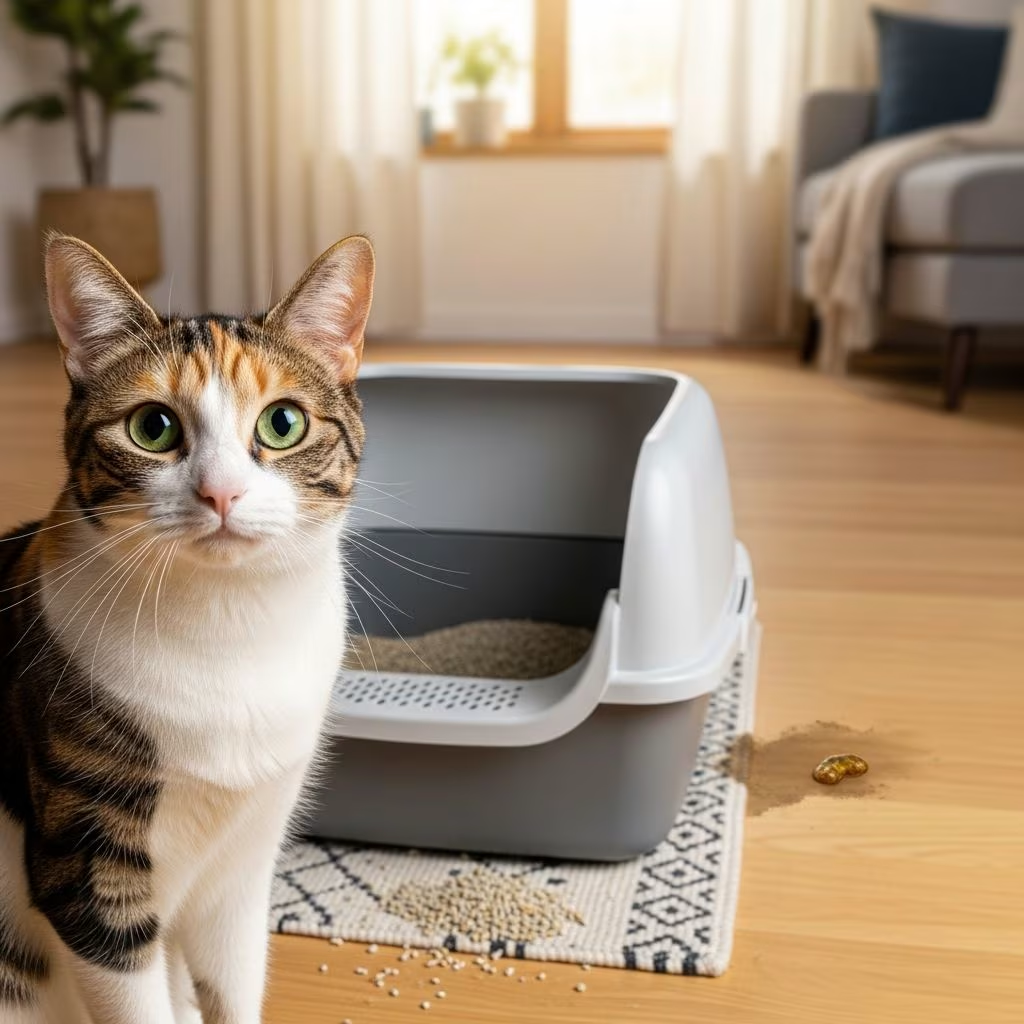
Cats are naturally fastidious animals that prefer to eliminate in clean, private spaces. When your cat starts missing the litter box—peeing or pooping just beside it, on the floor nearby, or in other inappropriate spots—it signals an underlying issue that needs addressing. This behavior, often called “litter box avoidance” or “periuria,” affects many cat owners and can stem from medical problems, environmental factors, or simple dissatisfaction with the setup. According to veterinary insights, the first step is always a vet visit to rule out health concerns like urinary tract infections (UTIs) or kidney disease, which are common culprits.
Understanding why cats miss the litter box requires examining multiple angles: the box itself, litter type, location, cleanliness, and your cat’s health or stress levels. Ignoring it can lead to ongoing messes, strained relationships, and potential health escalations. Fortunately, most cases resolve with targeted changes. This guide covers all potential reasons and practical solutions, drawing from expert veterinary advice to help you restore harmony in your home.
Medical Reasons Your Cat Is Missing the Litter Box
The most critical factor to investigate first is your cat’s health. Cats are masters at hiding pain, so subtle signs like missing the litter box can be the only indicator of serious issues. Medical conditions often cause urgency, pain, or inability to position properly, leading to accidents right next to the box.
- Urinary Tract Infections (UTIs) and Bladder Issues: These cause sudden urges and discomfort, making it hard for cats to reach the box in time. Symptoms include frequent small pees or straining. Vets diagnose via urinalysis.
- Kidney Disease or Diabetes: Early stages lead to increased urination volume, overwhelming the cat’s control. Older cats are prone; bloodwork confirms.
- Arthritis or Mobility Problems: Senior or overweight cats struggle to enter high-sided boxes or squat fully, resulting in overspray or misses.
- Constipation or Gastrointestinal Issues: Painful defecation prompts avoidance; eating grass can exacerbate loose stools that miss the mark.
Action step: Schedule a vet exam immediately. Treatments like antibiotics for UTIs or pain meds for arthritis often resolve the issue quickly. Delaying can worsen conditions, as cats stop signaling distress once chronic.
Litter Box Size and Design Problems
Many commercial litter boxes are too small or awkwardly designed for adult cats, leading to misses even when the cat tries to use them. Cats need space to turn around, dig, and position their rear end properly without bumping walls or tails.
Ideal dimensions: At least 1.5 times your cat’s length from nose to tail base. High-sided boxes prevent overspray for sprayers, but seniors need low-entry versions.
- Too Small: Cats crouch but urine arcs over the edge or poop lands outside. Solution: Use under-bed storage bins—large, low-sided, and affordable.
- High Sides Without Entry Help: Overweight or arthritic cats can’t climb in. Add ramps or steps using bricks, foam blocks, or puppy pads covered in mats.
- Hooded vs. Open: Some hate enclosed hoods feeling trapped; others prefer privacy. Test both.
- Plastic Liners: Cats paw through them, disliking the texture.
Pro tip: DIY a custom box from a plastic storage tote by cutting a low entry. Disposable litter box subscriptions offer fresh, odor-free options shipped regularly. Transition gradually by placing the new box beside the old one.
Wrong Litter Type or Depth
Cats have strong preferences for litter texture, scent, and depth, often rejecting changes abruptly. Sudden switches cause avoidance.
| Litter Type | Pros | Cons | Best For |
|---|---|---|---|
| Clumping Clay | Excellent odor control, easy scooping | Dusty, heavy; some cats dislike grit | Multi-cat homes |
| Non-Clumping Clay | Cheap, familiar feel | Poor clumping, tracks more | Budget owners |
| Silica Gel Crystals | Superior absorption, low dust | Expensive, unnatural feel | Allergy-prone cats |
| Pine or Wood Pellets | Biodegradable, low tracking | Strong scent, coarser texture | Eco-conscious owners |
| Paper or Walnut | Soft, lightweight | Less odor control | Sensitive paws |
Maintain 2-3 inches depth for digging. Scented litters repel fastidious noses—opt for unscented. If switching, mix old and new gradually over a week.
Litter Box Cleanliness and Maintenance
Cats shun dirty boxes, especially in multi-cat homes where one cat’s waste deters others. Scoop daily, deep-clean weekly with mild soap or vinegar (no bleach/ammonia, as they mimic urine smell).
- Replace old, scratched boxes—they harbor odors.
- In multi-cat setups, follow the n+1 rule: Number of boxes = cats + 1.
- Enzyme cleaners for accidents erase scents completely, preventing re-marking.
Litter Box Location Issues
Boxes in noisy, high-traffic spots (laundry rooms) or near food/water cause avoidance. Cats seek quiet, escape-friendly privacy.
- Move gradually (inches daily) to central, low-traffic areas.
- Avoid corners without escape routes; use baby gates for protection.
- Test multiple locations—cats self-select the best.
Stress and Behavioral Causes
Environmental changes trigger anxiety, leading to box avoidance as a territorial signal.
- New pets, moves, or outdoor cats visible through windows.
- Bullying in multi-cat homes—provide vertical space and play with wand toys.
- Solutions: Pheromone diffusers, covering stressor windows, or outdoor catteries.
Make accident spots unappealing with foil, sticky tape, or upside-down carpet runners, covering generously. Reward box use with treats/praise.
Solutions Summary Table
| Problem | Quick Fix |
|---|---|
| Medical | Vet visit ASAP |
| Box Size | Larger storage bin |
| Litter | Unscented clumping, gradual switch |
| Cleanliness | Scoop daily, enzyme clean |
| Location | Quiet, private spot |
| Stress | Pheromones, play therapy |
Frequently Asked Questions (FAQs)
Why does my cat pee next to the litter box but poop in it?
This often indicates a UTI or positioning issue for urination; check health and box size.
How do I stop my cat from missing the litter box?
Vet check first, then optimize box (size, litter, location, cleanliness).
Is it normal for senior cats to miss the litter box?
No—arthritis or kidney issues common; low-entry boxes and vet care help.
What if my cat suddenly stopped using the litter box?
Rule out medical emergencies like blockages; seek urgent vet care.
Can multiple cats share one litter box?
Generally no—one per cat plus one extra prevents conflicts.
(Word count: 1678, excluding metadata and HTML tags)
References
- Litter Box Misses – When Your Cat Goes Right Next to the Box — Cattledog Publishing. 2023-05-15. https://cattledogpublishing.com/blog/litter-box-misses-when-your-cat-goes-right-next-to-the-box/
- Cat Not Using Litter Box: Causes and Solutions — Best Friends Animal Society. 2024-02-10. https://bestfriends.org/pet-care-resources/cat-not-using-litter-box-causes-and-solutions
- Why does my cat keep missing the litter box and peeing over the side? — The Cat Vet. 2023-11-20. https://www.thecatvet.co.uk/why-does-my-cat-keep-missing-the-litter-box-and-peeing-over-the-side.html
- When your cat “misses” the litter box — Just Cats Clinic. 2024-01-05. https://justcatsclinic.com/when-your-cat-misses-the-litter-box/
- My Cat’s Pooping Outside the Litter Box–What Do I Do? — Chewy. 2023-08-12. https://www.chewy.com/education/cat/training-and-behavior/my-cat-is-pooping-outside-the-litter-box
- Cat Missing the Litter Box: Causes and Solutions — UAH Pet. 2024-03-18. https://www.uahpet.com/blogs/post/cat-missing-the-litter-box-causes-and-solutions



