

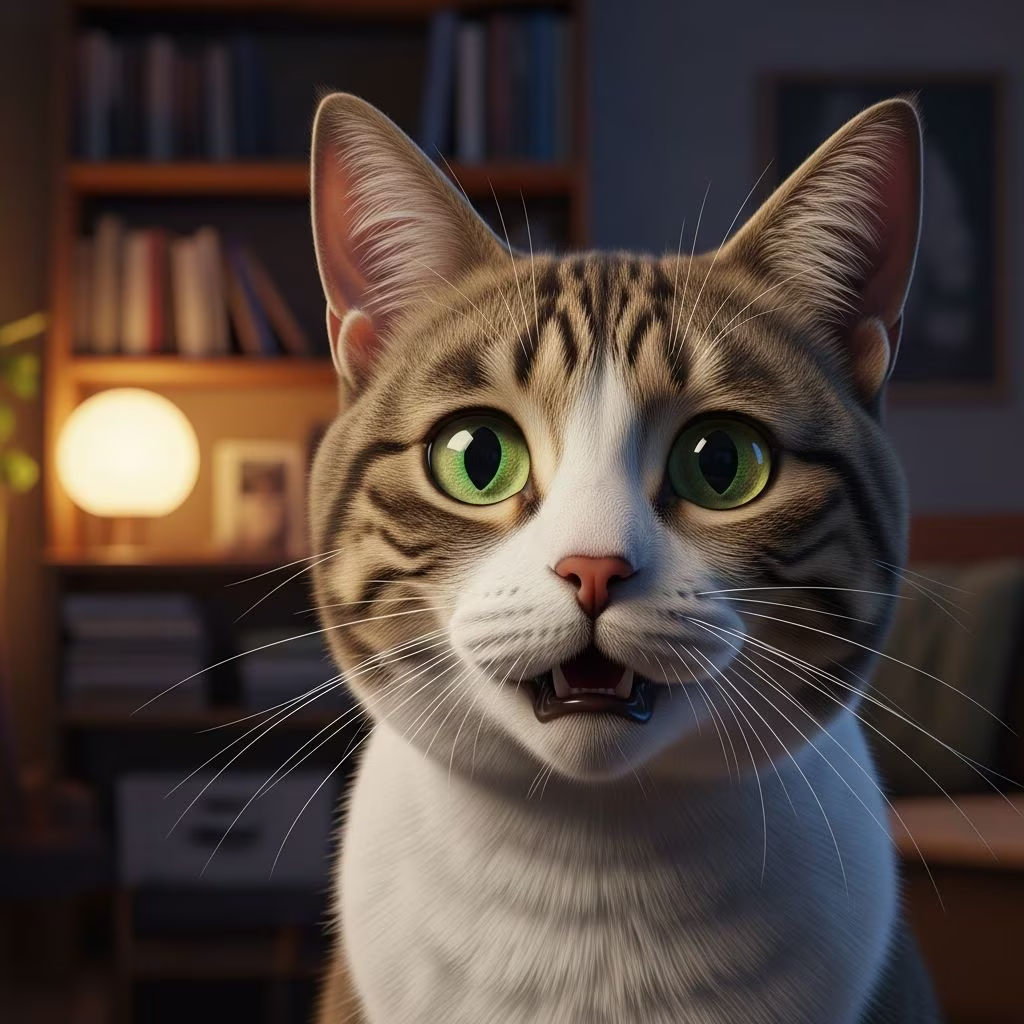
Has your usually quiet cat suddenly turned into a non-stop talker? Excessive meowing can be puzzling and even disruptive, but it’s your cat’s way of communicating something important. Cats meow primarily to humans, using this vocalization to express needs, emotions, or discomfort. While occasional meows are normal, a sudden increase often points to underlying issues ranging from benign behavioral triggers to serious health problems.
This comprehensive guide explores the most common reasons for sudden excessive meowing in cats, drawing from veterinary insights. We’ll cover medical conditions, behavioral causes, breed differences, and practical solutions. Importantly, if the meowing is persistent, accompanied by other symptoms like lethargy, weight loss, or changes in appetite, consult a veterinarian promptly to rule out health concerns.
Table of Contents
- Medical Causes of Excessive Meowing
- Behavioral Causes
- When to See a Vet
- How to Stop Excessive Meowing
- Cat Breeds Prone to Vocalization
- Frequently Asked Questions
Medical Causes of Excessive Meowing in Cats
Sudden excessive meowing often signals an underlying medical issue, especially in senior cats over 7 years old. Cats are masters at hiding pain, so vocalization becomes their cry for help. Always prioritize a vet exam to exclude these conditions.
Hyperthyroidism
**Hyperthyroidism** is one of the most prevalent causes of sudden meowing in older cats. This condition involves an overactive thyroid gland producing excess hormones, accelerating metabolism and causing restlessness. Affected cats may meow excessively, particularly at night, due to hyperactivity and discomfort.
Symptoms include:
- Weight loss despite increased appetite
- Increased thirst and urination
- Vomiting or diarrhea
- Tangled, greasy fur
- Restlessness or hyperactivity
Diagnosis via bloodwork is crucial, as untreated hyperthyroidism can lead to high blood pressure and heart disease. Treatments include medication, radioactive iodine therapy, or special diets. Early intervention often resolves the vocalization.
Pain or Injury
Cats in pain meow to seek attention or express distress. Common sources include arthritis (frequent in seniors), dental disease, urinary tract infections (UTIs), or injuries. Listen for low-pitched, urgent meows, especially if paired with limping, hiding, or litter box straining.
- **Dental issues:** Fractured teeth or gum infections make eating painful, prompting cries during meals.
- **Arthritis:** Stiff joints lead to vocal complaints when jumping or moving.
- **UTIs or blockages:** Life-threatening in males; cats cry urgently in the litter box.
A thorough vet exam, including dental checks and imaging, identifies pain sources. Pain management restores normal behavior.
Hypertension (High Blood Pressure)
Secondary to kidney disease or hyperthyroidism, hypertension causes disorientation and increased vocalization, often nocturnal. Cats may appear confused or anxious. Blood pressure screening during checkups detects this; medications effectively control it.
Cognitive Dysfunction (Feline Dementia)
Senior cats with cognitive decline, akin to dementia, meow more due to confusion, especially at night. Symptoms mimic hyperthyroidism but include disorientation, altered sleep, and house soiling. Vet assessments and supplements like antioxidants help manage it.
Other Medical Issues
Kidney disease, diabetes, or gastrointestinal problems like constipation or pancreatitis also trigger meowing from hunger, thirst, or discomfort. Sensory losses (hearing/vision) in aging cats lead to louder calls out of uncertainty.
Behavioral Causes of Sudden Meowing
Not all excessive meowing stems from illness. Behavioral triggers are common, particularly if the cat is healthy.
Attention-Seeking
Your cat may have learned that meowing gets results—food, play, or pets. Sudden increases occur if routines change or they feel ignored. Ignore demands initially, then reward quiet behavior.
Hunger or Thirst
Simple needs prompt vocal pleas. Ensure consistent feeding schedules and fresh water. Wet food helps with hydration.
Stress and Anxiety
Environmental changes like moves, new pets, or loud noises spike anxiety, leading to meowing. Signs: hiding, overgrooming, aggression. Provide safe spaces, pheromone diffusers, and routines to alleviate.
Heat Cycles (Unspayed Females)
Unspayed females yowl loudly during estrus to attract mates. Males respond to scents. Spaying/neutering eliminates this.
Boredom
Indoor cats without stimulation meow for interaction. Enrich with toys, scratching posts, and playtime.
When to See a Vet for Excessive Meowing
Not every meow spree requires a vet, but red flags demand immediate attention:
| Concern Level | Symptoms | Action |
|---|---|---|
| Emergency | Straining in litter box, no urine, vomiting, collapse | Go to ER now (possible blockage) |
| Urgent (24-48 hrs) | Sudden weight loss, increased thirst, lethargy, painful cries | Schedule vet visit |
| Monitor | Meowing responds to food/attention, no other changes | Observe 1-2 days, then checkup if persists |
Annual exams for adults, biannual for seniors catch issues early.
How to Stop Your Cat from Meowing Excessively
Tailor solutions to the cause:
- Medical: Follow vet treatment (e.g., thyroid meds).
- Behavioral: Ignore attention meows; play daily; use puzzle feeders.
- Stress: Feliway diffusers, vertical spaces.
- Nutrition: Scheduled meals prevent begging.
- Spay/Neuter: Reduces hormonal vocalizing.
Consistency is key. Most cats quiet down with proper care.
Cat Breeds Prone to Excessive Meowing
Some breeds are naturally vocal:
- Siamese: Famous for loud, raspy meows; talkative companions.
- Oriental Shorthair: Siamese relatives, highly communicative.
- Maine Coon: Gentle chirps and trills, but can be chatty.
- Bengal: Energetic and vocal when bored.
Breed traits amplify environmental triggers.
Frequently Asked Questions (FAQs)
Why is my cat meowing so much all of a sudden?
Sudden meowing often indicates pain, hyperthyroidism, stress, or unmet needs like hunger. Vet check first.
Should I ignore my cat’s excessive meowing?
Yes for attention-seeking, but not if distressed or symptomatic—could signal illness.
Is excessive nighttime meowing normal in older cats?
No, it may indicate hyperthyroidism, hypertension, or dementia. Seek vet evaluation.
Can stress cause a cat to meow a lot?
Absolutely—changes like new pets or moves trigger anxiety meowing. Use calming aids.
How do I know if my cat’s meowing is due to pain?
Look for limping, appetite changes, or urgent cries. Pain meows are often low-pitched.
References
- What Does Excessive Meowing Mean in Cats — WebMD. 2023-05-15. https://www.webmd.com/pets/cats/cats-excessive-meowing
- Why Is My Cat Meowing So Much? Understanding Feline Vocalization — Star of Texas Veterinary Hospital. 2024-02-20. https://staroftexasvet.com/why-is-my-cat-meowing-so-much-understanding-feline-vocalization-and-what-it-means/
- What’s Your Cat Trying to Tell You? Causes of Constant Meowing — Carolina Virginia Animal Hospital. 2023-11-10. https://carolinavirginiavet.com/whats-your-cat-trying-to-tell-you-causes-of-constant-meowing/
- Why Is My Cat Meowing So Much? Exploring Excessive Vocalization — Bayview Pets. 2024-01-05. https://bayviewpets.com/why-is-my-cat-meowing-so-much-exploring-excessive-vocalization-in-cats/
- Excessive Meowing In Cats Explained (Causes And Solutions) — Cats.com. 2024-03-12. https://cats.com/cat-excessive-meowing
- Why Is My Cat Meowing So Much? Exploring Excessive Vocalization — Advanced Veterinary Medical Center. 2023-12-18. https://advancedvmc.net/why-is-my-cat-meowing-so-much-exploring-excessive-vocalization-in-cats/



