

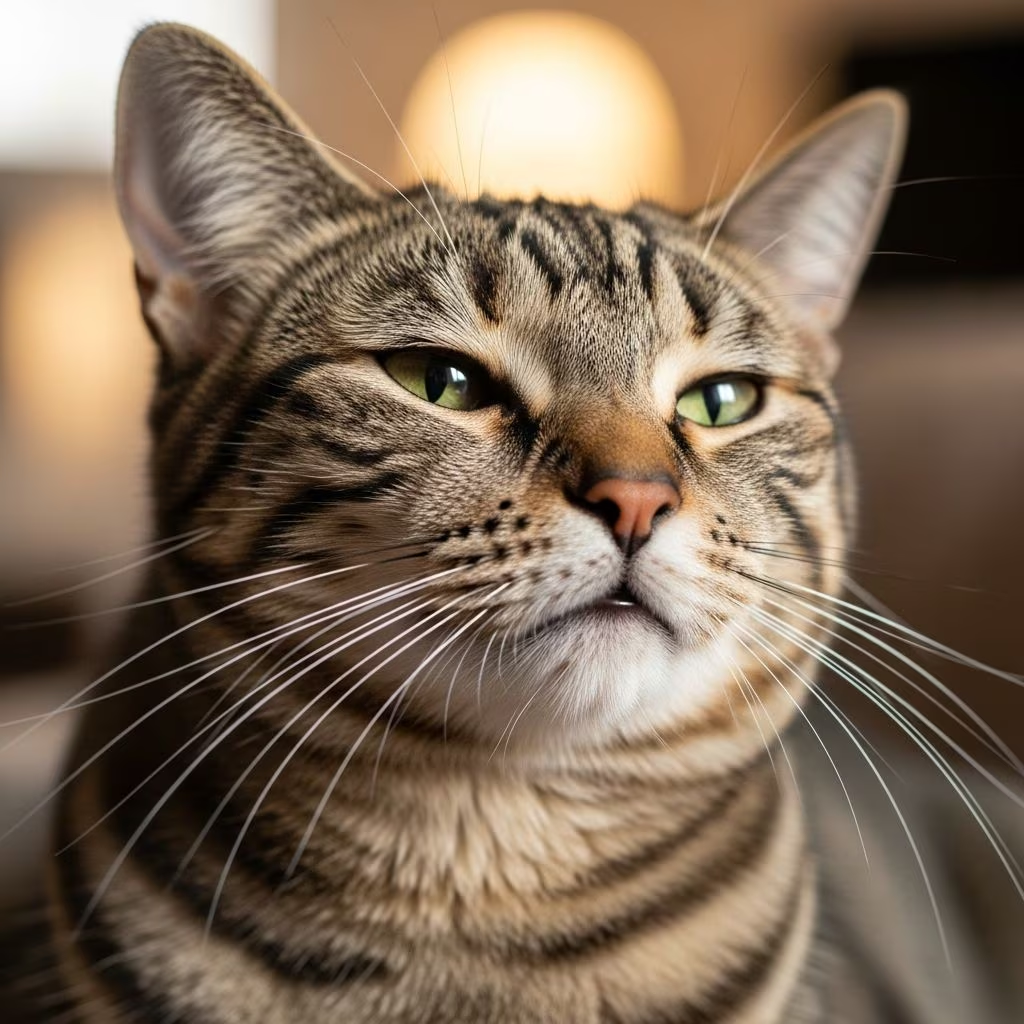
Cats often produce a distinctive **vibrating noise** known as purring, which can signal contentment, bonding, self-soothing during stress, or even healing. This low-frequency rumble originates from rapid vibrations in the vocal cords and surrounding muscles during breathing, typically ranging from 25 to 150 Hz.
How Cats Purr
Purring is a unique feline vocalization produced as cats inhale and exhale, with airflow modulated by the rapid opening and closing of the **vocal folds** (or vocal cords). Specialized laryngeal muscles drive this rhythmic action, supported by the diaphragm and respiratory system. The sound hovers at the lower edge of human hearing, creating that familiar deep vibration.
The **hyoid bone** plays a crucial role in feline vocalization, anchoring the larynx. Unlike big cats, which have an elastic epihyoid ligament enabling roars, domestic cats’ rigid hyoid allows purring but not roaring. This anatomical difference explains why your pet tabby purrs while lions roar.
Kittens begin purring within days of birth, even before their eyes open, highlighting its innate nature. This early vocalization facilitates communication in the dark, altricial (helpless) state of newborn kittens.
The Reasons Cats Purr
Feline vocalizations fall into categories like sexual, agonistic (conflict-related), mother-kitten, and human-pet interactions. Cats are less vocal than dogs but use purring selectively for bonding and communication.
Contentment and Bonding
The most common reason cats purr is **happiness or comfort**. When stroked or cuddled, cats purr to express pleasure and strengthen emotional bonds with humans. Research shows cats recognize and respond to their owners’ emotions, purring to reinforce mutual affection.
Mother cats and kittens purr during nursing and kneading, fostering attachment. Adult cats knead and purr similarly, mimicking kittenhood behaviors during relaxed moments.
Mother-Kitten Communication
Newborn kittens purr to signal contentment while nursing, guiding mothers to feed them effectively. Mothers purr back, creating a soothing feedback loop that reinforces the bond and ensures survival. This begins as early as two days old.
Self-Soothing During Stress or Pain
Surprisingly, cats purr not only when happy but also during **stress, illness, or injury**. Purring releases **endorphins** in the brain, providing natural pain relief and comfort. This self-soothing mechanism helps cats cope with discomfort.
In anxious situations—like vet visits or environmental changes—purring calms the cat. It mirrors the mother-kitten dynamic, where purring eases vulnerability.
Healing and Recovery
Purring frequencies (25-150 Hz) align with therapeutic vibrations used in human medicine for bone healing, fracture recovery, and tissue repair. Studies suggest cats’ purring promotes faster healing of injuries, tendons, and muscles, aiding survival in the wild.
This low-frequency resonance may stimulate bone growth and relieve pain or swelling, explaining why injured cats purr frequently.
The Terminal Purr
In seriously ill or dying cats, purring often increases—a phenomenon called the **terminal purr**. Far from indicating happiness, this is a final self-soothing effort amid severe pain, old age, or terminal illness. Endorphins from purring provide comfort when nothing else can.
Owners may misinterpret this as contentment, but accompanying signs like lethargy, appetite loss, or withdrawal signal a need for veterinary evaluation. Purring releases endorphins for both cat and human, offering solace in tough times.
Other Vibrating Noises Cats Make (Not Just Purring)
While purring is the primary vibrating sound, cats produce other **vibrating noises** that might confuse owners. Distinguishing these requires context and observation.
- Chattering or Twittering: A rapid, vibrating jaw quiver when spotting prey through windows. This excitement mimics killing bites, produced by teeth clacking together.
- Trilling: A short, vibrating chirp or warble for greeting or excitement, common in mothers calling kittens.
- Growling or Hissing with Vibration: Low rumbles during fear or aggression, felt as vibrations in the throat.
- Shaking or Trembling: Non-vocal body tremors mistaken for noise; often due to cold, stress, or health issues.
When Vibrating Noises Might Indicate a Problem
Not all vibrations are purring. **Unusual shaking** or irregular vibrating sounds warrant attention, especially if new or accompanied by symptoms.
| Symptom | Possible Causes | Action Needed |
|---|---|---|
| Whole-body trembling | Hypoglycemia (low blood sugar), cold, toxins | Feed if diabetic; warm up; vet if prolonged |
| Head or tail shaking | Ear issues, stress, hyperesthesia | Check ears; monitor; consult vet |
| Vibration with aggression | Feline hyperesthesia syndrome (FHS) | Behavioral/neurological eval |
| Purring + lethargy/pain | Illness, terminal stages | Immediate vet visit |
Hypoglycemia and Shaking
Low blood sugar causes shaking, especially in un-fed or diabetic cats. Symptoms include weakness and disorientation.
Feline Hyperesthesia Syndrome (FHS)
“Twitchy cat syndrome” involves skin rippling, tail chasing, and vocalizing with vibrations. Causes include allergies, nerve pain, or stress; more common in certain breeds.
Temperature Extremes
Cats shiver when cold (below 100.5°F) or overheat (above 102.5°F), producing vibrational tremors.
Toxins or Neurological Issues
Poisoning or seizures cause involuntary shaking. Seek emergency care if vomiting or seizures occur.
What to Do If Your Cat’s Vibrating Noise Concerns You
Observe context: Is it rhythmic breathing purring or erratic shaking? Note duration, triggers, and symptoms like vomiting, hiding, or dilated pupils.
- Provide warmth, food, and calm environment for benign causes.
- Record episodes for the vet, including video.
- Diagnostic tests may include bloodwork, imaging, or behavior assessments.
Treatments vary: calming aids for stress, meds for pain or seizures, diet for hypoglycemia.
Frequently Asked Questions (FAQs)
Why does my cat purr when stressed?
Cats purr to self-soothe, releasing endorphins during anxiety, pain, or illness, similar to human comfort behaviors.
Can purring heal my cat’s injuries?
Purring’s 25-150 Hz frequencies promote bone and tissue healing, potentially aiding recovery from fractures or wounds.
Is shaking the same as purring?
No—purring vibrates with breathing; shaking is body tremors from cold, low sugar, or illness. Consult a vet for distinction.
Why does my sick cat purr more?
Terminal or ill cats purr for endorphin release, providing pain relief in final stages.
When should I worry about vibrating noises?
If accompanied by lethargy, vomiting, aggression, or if sudden/persistent, see a vet promptly.
References
- My Cat Keeps Shaking – What Should I Do? — EVCC. 2023. https://evcc.com/blog/cat-shaking/
- Why Is My Cat Making a Vibrating Noise? Vet-Approved Explanation — Catster. 2023. https://www.catster.com/cat-behavior/why-is-my-cat-making-a-vibrating-noise/
- Why Is My Cat Shaking? — Acoma Animal Clinic Tucson. 2023. https://www.acomaanimalclinictucson.org/why-is-my-cat-shaking/
- Feline Hyperesthesia Syndrome (Twitchy Cat Syndrome) — PetMD. 2023. https://www.petmd.com/cat/conditions/skin/feline-hyperesthesia-syndrome
- 6 Sounds Your Cat Makes and What They Mean — Catonsville Cat Clinic. 2023. https://www.catonsvillecatclinic.com/holmes-corner/6-sounds-your-cat-makes-and-what-they-mean/



