

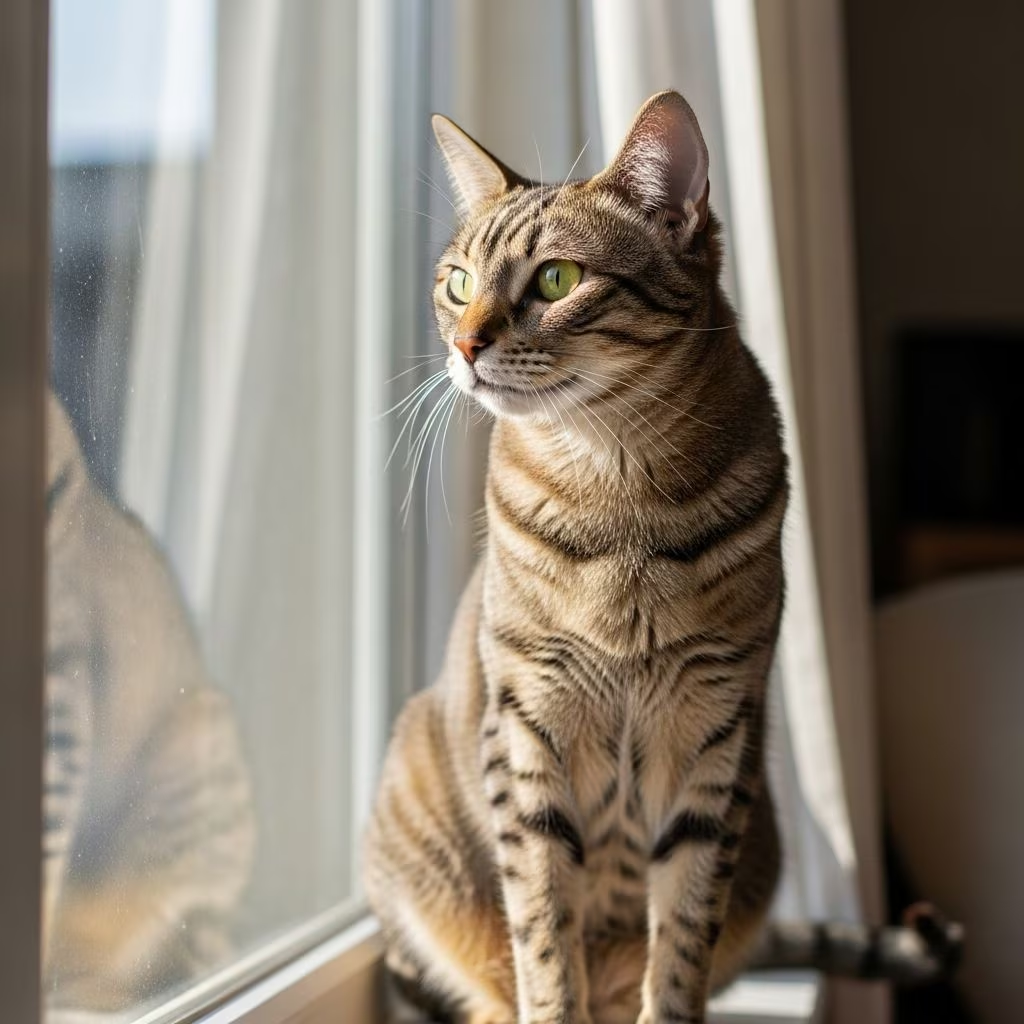
Weight loss in cats is a concerning symptom that cat owners should never ignore, as it often indicates an underlying health issue requiring prompt veterinary attention. While some cats may lose weight due to dietary changes or increased activity, unintentional weight loss—especially if rapid or accompanied by other symptoms—can stem from serious conditions like hyperthyroidism, diabetes, kidney disease, or cancer. Early detection through regular weigh-ins and vet visits can significantly improve outcomes, potentially adding years to your cat’s life.
Is Weight Loss in Cats a Concern?
Yes, unintended weight loss in cats is always a red flag that warrants a veterinary evaluation, particularly if it exceeds 10% of their body weight over a short period or occurs without changes in diet or exercise. Cats are masters at hiding illness, so weight loss may be the first noticeable sign of disease. Senior cats over 7 years old are especially prone to conditions like hyperthyroidism and kidney disease, which accelerate metabolism or impair nutrient absorption, leading to muscle wasting despite normal or increased eating. Monitoring your cat’s body condition score (BCS) monthly—ideally aiming for a 5/9 score where ribs are palpable but not visible—helps catch issues early.
How Can You Tell If Your Cat Is Losing Weight?
Detecting weight loss requires regular monitoring since cats often lose weight gradually. Key signs include visible ribs, spine, or hip bones; a tucked abdomen; reduced muscle mass around the face, back, or hindquarters; and a bony tail base. Use a digital kitchen scale to weigh your cat weekly, subtracting the container weight if needed. Compare trends: a loss of more than 5% in a month is concerning. Other clues are changes in appetite, coat quality (dull or greasy), lethargy, or altered litter box habits. If your cat is losing weight but eating normally or ravenously, suspect metabolic diseases like diabetes or hyperthyroidism.
Why Is My Cat Losing Weight? 10 Common Causes
Unexplained weight loss in cats arises from diverse causes, broadly categorized into inadequate calorie intake, poor nutrient absorption, or increased metabolic demands. Here are the most prevalent reasons based on veterinary insights:
- Hyperthyroidism: Overproduction of thyroid hormones speeds metabolism, causing weight loss despite voracious hunger. Common in cats over 10 years, it affects up to 10% of seniors.
- Diabetes Mellitus: Insulin deficiency prevents glucose uptake, leading to fat and muscle breakdown for energy. Cats may drink and urinate excessively while losing weight.
- Chronic Kidney Disease (CKD): Failing kidneys cause toxin buildup, nausea, and poor appetite. Polyuria/polydipsia (increased urination/thirst) are hallmarks, especially in older cats.
- Gastrointestinal Disorders: Conditions like inflammatory bowel disease (IBD), pancreatitis, or food allergies impair digestion and absorption, resulting in diarrhea, vomiting, or chronic weight loss.
- Intestinal Parasites: Worms like roundworms or tapeworms steal nutrients, causing pot-bellied appearance, diarrhea, or visible segments in stool. Outdoor cats are at higher risk.
- Cancer (Neoplasia): Lymphoma or other tumors cachexia leads to profound weight loss, appetite loss, lethargy, and organ dysfunction.
- Dental Disease: Painful teeth, gingivitis, or resorptive lesions make eating difficult, causing drooling, bad breath, and selective eating.
- Liver Disease: Hepatic lipidosis (fatty liver) from sudden anorexia or cholangiohepatitis disrupts metabolism, leading to jaundice and rapid decline.
- Cardiac or Respiratory Disease: Heart failure or lung issues increase energy expenditure and cause fluid buildup, reducing appetite.
- Stress or Behavioral Issues: Anxiety from household changes, multi-cat conflicts, or depression suppresses appetite, mimicking illness.
Is Weight Loss Normal in Older Cats?
Some age-related muscle loss (sarcopenia) occurs in cats over 12 years, but significant or rapid weight loss is not normal and often signals treatable diseases like hyperthyroidism (prevalent in 10-15% of cats over 10) or CKD (affecting 30-50% of seniors). Proactive senior wellness exams with bloodwork can detect these early. Unlike dogs, cats rarely lose weight from normal aging alone; investigate any 5-10% drop.
Cat Losing Weight But Eating Well: What Does It Mean?
If your cat is losing weight despite a good appetite, it points to malabsorption or hypermetabolic states rather than starvation. Top culprits include hyperthyroidism (ravenous hunger, weight loss), diabetes (polyphagia with muscle wasting), parasites (nutrient theft), or early exocrine pancreatic insufficiency. Less commonly, Addison’s disease or acromegaly. These require blood tests, fecal exams, and imaging for diagnosis—do not delay, as untreated cases progress rapidly.
Diagnosis of Weight Loss in Cats
Veterinarians start with a thorough history (diet, litter habits, behavior) and physical exam, followed by:
- Complete blood count (CBC) and chemistry panel to check for anemia, organ function, glucose, and thyroid levels.
- Urinalysis for kidney function, infections, or diabetes.
- Fecal flotation for parasites.
- Abdominal radiographs/ultrasound for masses, organ enlargement, or GI thickening.
- Specialized tests: T4 for hyperthyroidism, fructoseamin for diabetes, or biopsy for IBD/cancer.
A minimum database costs $200-400; advanced diagnostics like endoscopy add more but are essential for targeted treatment.
Treatment for Weight Loss in Cats
Treatment targets the underlying cause:
| Condition | Treatment Options |
|---|---|
| Hyperthyroidism | Radioactive iodine (gold standard, 95% cure), methimazole pills, diet, surgery. |
| Diabetes | Insulin injections, low-carb diet, weight stabilization. |
| CKD | Fluid therapy, phosphate binders, renal diets, blood pressure meds. |
| Parasites | Dewormers like fenbendazole or praziquantel. |
| GI Disorders | Hypoallergenic diets, steroids for IBD, antibiotics. |
| Cancer | Chemotherapy, surgery, palliative care. |
| Dental Disease | Professional cleaning, extractions under anesthesia. |
Supportive care includes appetite stimulants (mirtazapine), high-calorie recovery foods, and assisted feeding if needed. Prognosis varies: endocrine diseases often respond well, while advanced cancer is guarded.
Preventing Weight Loss in Cats
Prevention focuses on routine care: annual vet exams (twice yearly for seniors), monthly parasite preventives, dental care with brushing or dental treats, high-quality balanced diet portioned to prevent obesity, stress reduction via enrichments, and regular weigh-ins. Vaccinations and flea control minimize infectious risks.
When Should I Worry About My Cat Losing Weight?
Seek immediate vet care if weight loss exceeds 10% body weight, persists over 2 weeks, or accompanies vomiting, diarrhea, lethargy, thirst changes, or behavioral shifts. Even subtle losses in seniors merit a checkup—early intervention is key to reversing many conditions.
Frequently Asked Questions (FAQs)
What if my cat is losing weight but still eating and acting normal?
This often indicates hyperthyroidism, diabetes, parasites, or early kidney disease. Bloodwork is crucial despite normal behavior.
How much weight loss is too much for a cat?
More than 5% in a month or 10% overall is concerning; track trends precisely.
Can stress cause weight loss in cats?
Yes, anxiety from changes or multi-pet homes suppresses appetite; rule out medical causes first.
Why is my senior cat losing weight rapidly?
Commonly hyperthyroidism, CKD, or cancer; senior blood panels detect most.
Can dental problems cause cat weight loss?
Absolutely—pain leads to reduced intake; look for drooling or bad breath.
References
- Eight Common Causes of Cat Weight Loss — Kingstowne Cat Clinic. 2018-02. https://kingstownecatclinic.com/2018/02/eight-common-causes-of-cat-weight-loss/
- 9 Reasons Your Cat May Be Losing Weight — Congress Avenue Veterinary Clinic. N/A. https://congressavevet.com/news/9-reasons-your-cat-may-be-losing-weight/
- Why Is My Cat Losing Weight? — Atlantic Veterinary Internal Medicine. N/A. https://www.avim.us/blog/why-is-my-cat-losing-weight
- Why is My Cat Losing Weight? 7 Common Causes — Purina US. N/A. https://www.purina.com/articles/cat/health/symptoms/cat-losing-weight
- Why Is My Cat Losing Weight? Here’s What Vets Say — Whisker. N/A. https://www.whisker.com/blog/why-is-my-cat-losing-weight
- Why is My Cat Losing Weight? Weight Loss in Cats — PetMD. N/A. https://www.petmd.com/cat/symptoms/cat-losing-weight
- Weight Loss in the Elderly Cat: Appetite is Fine, and Everything … — PMC (NCBI). 2024. https://pmc.ncbi.nlm.nih.gov/articles/PMC11135492/
- Testing for Weight Loss in Cats — VCA Animal Hospitals. N/A. https://vcahospitals.com/know-your-pet/testing-for-weight-loss-in-cats



