

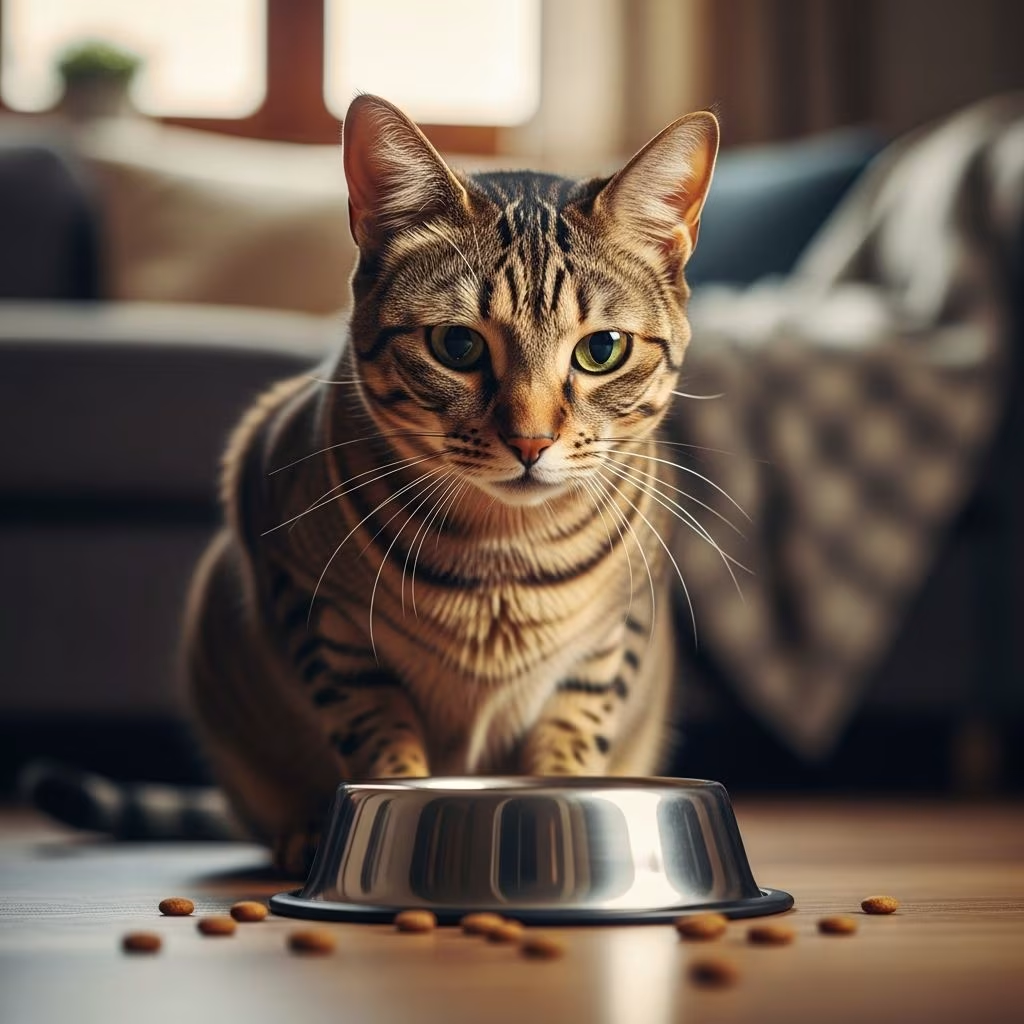
Unintentional weight loss in cats is a serious symptom that often indicates an underlying health problem. While some cats naturally slim down due to age or diet changes, sudden or progressive loss—especially if your cat still seems hungry—warrants immediate veterinary attention. According to veterinary experts, weight loss occurs when a cat burns more calories than it consumes or fails to absorb nutrients properly.
This comprehensive guide, inspired by veterinary insights, explores the most common causes of feline weight loss, diagnostic steps, treatment options, and prevention tips. Early detection can make all the difference in your cat’s prognosis.
Understanding Weight Loss in Cats
Normal cat weight ranges from 8-12 pounds depending on breed, age, and frame, but a 10% or greater loss over a short period is concerning. Monitor your cat weekly using a pet scale. Signs include visible ribs, spine, or hip bones, a tucked abdomen, or muscle wasting. Appetite may remain normal, increased, or decreased, providing clues to the cause.
Weight loss can stem from metabolic diseases, poor nutrient absorption, or behavioral issues. Elderly cats (over 7 years) are particularly prone due to conditions like hyperthyroidism or kidney disease.
Common Causes of Weight Loss in Cats
Here are the primary reasons cats lose weight, ranked by prevalence based on veterinary reports:
- Hyperthyroidism: Overactive thyroid gland, common in senior cats, ramps up metabolism.
- Diabetes Mellitus: Insulin deficiency leads to fat and muscle breakdown despite eating.
- Chronic Kidney Disease (CKD): Impairs waste filtration, causing nausea and reduced appetite.
- Gastrointestinal Disorders: Prevent nutrient absorption.
- Intestinal Parasites: Steal nutrients from the host.
- Cancer: Especially lymphoma, consumes energy and suppresses appetite.
- Dental Disease: Painful mouth issues deter eating.
- Stress or Anxiety: Reduces food intake.
- Organ Failure (Liver, Heart): Systemic effects lead to cachexia.
- Exocrine Pancreatic Insufficiency (EPI): Rare, but digestion enzymes are lacking.
Hyperthyroidism in Cats
Hyperthyroidism affects up to 10% of cats over 10 years old. A benign thyroid tumor produces excess hormones, accelerating heart rate, metabolism, and calorie burn—even if eating more. Symptoms include ravenous hunger, weight loss, increased thirst/urination, vomiting, diarrhea, hyperactivity, and a unkempt coat. Untreated, it leads to heart failure or kidney damage.
Diagnosis: Blood tests measure T4 levels; elevated confirms it. Free T4 or TSH tests refine accuracy.
Treatment: Radioactive iodine (I-131) therapy cures 95% of cases permanently. Alternatives: methimazole pills, diet restriction, or surgery. Monitor kidney function post-treatment, as hyperthyroidism masked CKD.
Diabetes in Cats
Feline diabetes mirrors human type 2, linked to obesity. Insufficient insulin prevents glucose uptake, forcing the body to break down fat/protein for energy—causing weight loss despite polyphagia (increased appetite). Other signs: polydipsia/polyuria (excessive drinking/urinating), lethargy, plantigrade stance (walking on hocks), and sweet breath.
Diagnosis via blood glucose (persistently >200 mg/dL), urine glucose/ketones, fructosamin test. Treatment: lifelong insulin injections (glargine common), low-carb diet, weight management. Up to 40% achieve remission with early intervention.
Chronic Kidney Disease
CKD impacts 30-50% of senior cats, filtering waste poorly and building toxins that cause nausea, anorexia, and weight loss. Symptoms: increased thirst/urination, vomiting, poor coat, halitosis, anemia. Hypertension often co-occurs.
Staging uses IRIS guidelines: blood urea/creatinine, SDMA, urine specific gravity, blood pressure. Treatment: renal diet (low phosphorus/protein), fluids, anti-nausea meds, blood pressure control. Prognosis varies; early stages extend life years.
Gastrointestinal Problems
Issues like inflammatory bowel disease (IBD), food allergies, pancreatitis, or lymphoma hinder digestion/absorption. Cats may vomit, have diarrhea, or show chronic loose stools. Appetite fluctuates; weight drops gradually.
Diagnostics: fecal tests, ultrasound, endoscopy/biopsy. Treatment: hypoallergenic diets, steroids, antibiotics. Chronic cases need B12 injections.
Parasites and Infections
Worms (roundworms, hookworms, tapeworms) rob nutrients, causing pot-bellied appearance, diarrhea, scooting. Common in kittens/outdoor cats. FIV/FeLV weaken immunity, leading to secondary weight loss.
Fecal flotation diagnoses; dewormers like pyrantel/praziquantel treat. Monthly preventives essential.
Cancer and Other Serious Diseases
Lymphoma tops feline cancers, targeting GI tract/intestines. Signs: anorexia, lethargy, hiding. Liver/heart disease causes jaundice, labored breathing. Exocrine pancreatic insufficiency (EPI) leads to greasy stools.
Imaging (X-rays, ultrasound), biopsies confirm. Chemo, surgery, or palliative care options.
Dental Disease and Oral Pain
Stomatitis, resorptive lesions, fractured teeth cause drooling, pawing mouth, preferring soft food. Halitosis prevalent. Weight loss from avoided kibble.
Vet dental cleaning/extractions under anesthesia resolves most cases.
Stress, Behavior, and Inadequate Intake
New pets, moves, or multi-cat bullying reduce eating. Elderly cats forget meals. Ensure 3-4 small meals daily in quiet spots.
How Is Weight Loss in Cats Diagnosed?
Vets start with history, physical exam, body condition score. Minimum database:
| Test | Purpose |
|---|---|
| Complete Blood Count (CBC) | Detects anemia, infection, cancer |
| Chemistry Panel | Assesses kidney/liver function, electrolytes, proteins |
| Urinalysis | Checks concentration, infection, glucose |
| Thyroid (T4/FT4) | Hyperthyroidism screen |
| Fecal Analysis | Parasites |
| Imaging (X-ray/Ultrasound) | Organ/tumor evaluation |
Further: FeLV/FIV, blood pressure, biopsies if needed.
Treatment for Weight Loss in Cats
Tailored to cause: e.g., insulin for diabetes, I-131 for thyroid. Supportive care includes appetite stimulants (mirtazapine), assisted feeding (syringe/esophageal tube), anti-nausea (Cerenia), probiotics. Hill’s a/d or Royal Canin Recovery diets aid recovery.
FAQs
Should I Worry If My Cat Is Losing Weight But Still Eating?
Yes—normal/increased appetite with loss points to metabolic issues like hyperthyroidism/diabetes. Prompt vet visit essential.
How Much Weight Loss Is Normal for Cats?
<10% over months if monitored; sudden >5% abnormal.
Can Stress Cause Weight Loss in Cats?
Absolutely; anxiety suppresses appetite. Minimize changes, use Feliway.
What Should I Feed a Cat Losing Weight?
High-calorie, palatable food like recovery diets. Consult vet before changes.
Is Weight Loss Common in Senior Cats?
Yes, due to CKD, hyperthyroidism, cancer. Annual bloodwork recommended.
Prevention and Monitoring Tips
- Weigh monthly; track trends.
- Annual senior wellness exams with bloodwork.
- Parasite preventives year-round.
- Balanced diet; avoid obesity to prevent diabetes.
- Dental care routine.
- Reduce stressors: vertical space, litter boxes = cats +1.
Proactive care keeps cats thriving into teens.
References
- Testing for Weight Loss in Cats — VCA Animal Hospitals. 2023. https://vcahospitals.com/know-your-pet/testing-for-weight-loss-in-cats
- Why is My Cat Losing Weight? Weight Loss in Cats — PetMD. 2024. https://www.petmd.com/cat/symptoms/cat-losing-weight
- Weight Loss in the Elderly Cat: Appetite is Fine, and Everything … — PMC (NCBI). 2024-05-15. https://pmc.ncbi.nlm.nih.gov/articles/PMC11135492/
- Eight Common Causes of Cat Weight Loss — Kingstowne Cat Clinic. 2018-02. https://kingstownecatclinic.com/2018/02/eight-common-causes-of-cat-weight-loss/
- 9 Reasons Your Cat May Be Losing Weight — Congress Ave Veterinary Hospital. 2023. https://congressavevet.com/news/9-reasons-your-cat-may-be-losing-weight/
- Why Is My Cat Losing Weight? — Atlantic Veterinary Internal Medicine. 2024. https://www.avim.us/blog/why-is-my-cat-losing-weight



