

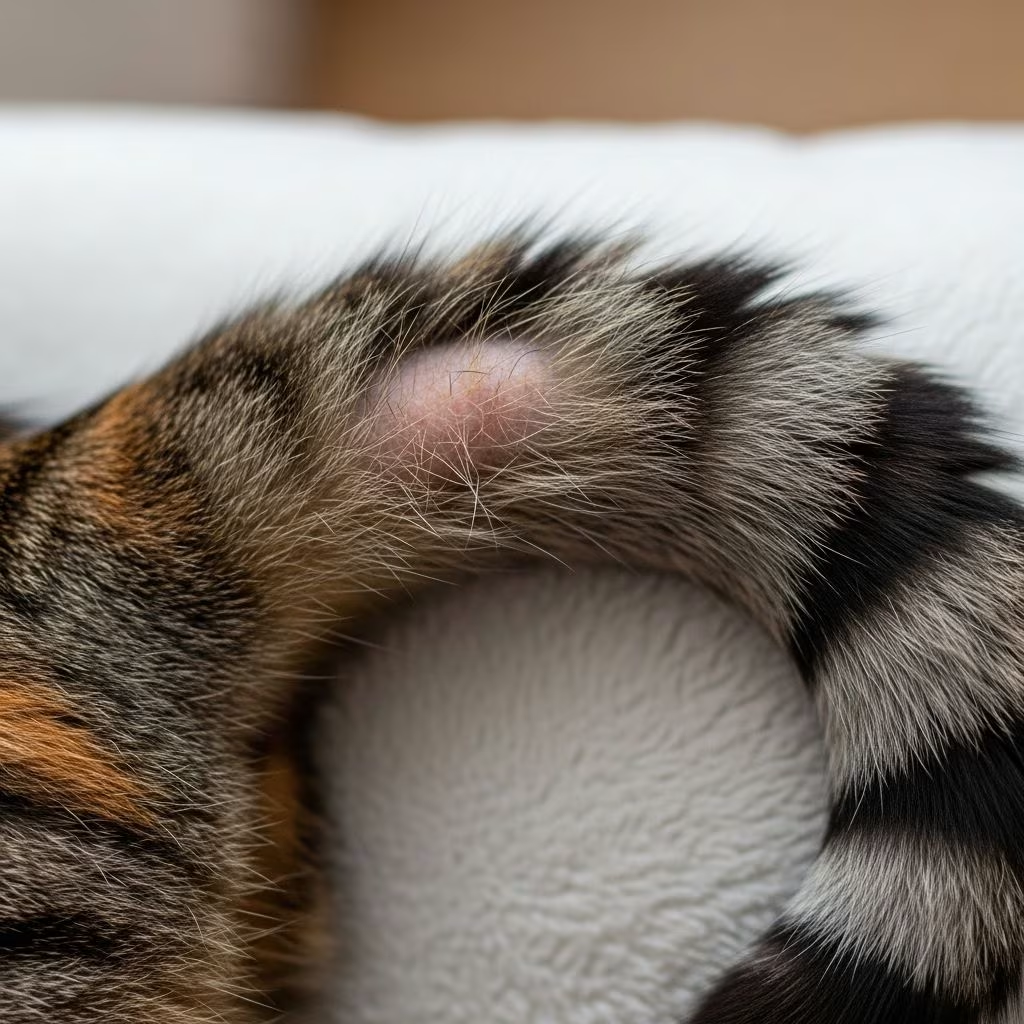
Hair loss on a cat’s tail, often noticed as bald patches at the base, is a common concern for pet owners. This condition, known as alopecia, can stem from various causes including overactive glands, parasites, allergies, or stress-induced grooming. Understanding the underlying issue is crucial for effective treatment and preventing further discomfort for your feline companion.
Typically affecting the top of the tail near the base, this hair loss may appear as thinning fur, greasy skin, or complete baldness. While sometimes benign, it can indicate health problems requiring veterinary attention. Early intervention often leads to quick resolution and a return to a lush coat.
What Is Stud Tail in Cats?
**Stud tail**, or tail gland hyperplasia, involves enlargement of the sebaceous glands at the tail’s base. These glands produce oil to keep fur healthy, but when overactive, they compress hair follicles and clog them with excess sebum, leading to greasy fur and alopecia.
This condition is most prevalent in intact male cats due to high androgen levels like testosterone, though spayed or neutered cats, females, and even kittens can develop it. Poor grooming exacerbates the issue, often linked to obesity, arthritis, or stress that limits self-cleaning.
Other Causes of Hair Loss on Your Cat’s Tail
Beyond stud tail, several factors contribute to tail baldness in cats. Identifying the root cause through observation and vet exams is key.
Parasites (Fleas, Mites, Lice)
External parasites top the list of culprits. Fleas trigger intense itching via flea allergy dermatitis (FAD), causing cats to scratch and overgroom the tail base, back, and thighs, resulting in bald spots. Mites like those causing feline mange (Notoedres cati) or lice create similar irritation and hair loss. Even without visible pests, microscopic exams reveal them.
Allergies and Sensitivities
Cats may react to food proteins, pollen, dust mites, or grooming products, leading to itchy skin and excessive licking or chewing on the tail. This overgrooming creates symmetric bald patches. Food trials or hypoallergenic diets help pinpoint culprits.
Overgrooming Due to Stress or Anxiety
**Psychogenic alopecia** arises from stress—new pets, moves, or routine changes—prompting compulsive grooming. Bald areas often appear on the tail, belly, or legs as cats self-soothe. Environmental enrichment like toys and pheromones aids management.
Skin Infections (Bacterial or Fungal)
Bacterial infections from scratching wounds cause red, scabby, pus-filled skin with hair loss. Fungal issues like ringworm form circular bald patches, contagious to humans and pets. Greasy, odorous skin signals pyoderma.
Hormonal or Systemic Diseases
Endocrine disorders such as **hyperthyroidism** (overactive thyroid) lead to poor coat quality, weight loss, and increased thirst alongside tail hair thinning. Rare Cushing’s disease elevates cortisol, thinning fur. Diabetes, kidney disease, or feline leukemia weaken immunity, promoting alopecia.
Poor Nutrition
Diets lacking essential fatty acids, zinc, or vitamins result in dull, shedding coats. Senior or picky eaters are prone; vet-recommended supplements restore health.
Rare Causes
- Genetics: Some breeds inherit alopecia patterns.
- Autoimmune: Conditions like sebaceous adenitis attack glands.
Symptoms of Tail Hair Loss to Watch For
Monitor these signs beyond baldness:
- Greasy, oily fur at tail base.
- Scaly, thickened, or darkened skin with blackheads.
- Redness, swelling, discharge, or foul odor indicating infection.
- Excessive scratching, chewing, or rubbing the tail.
- Behavioral changes like lethargy or appetite shifts signaling systemic issues.
Symmetric loss suggests allergies/stress; asymmetric points to parasites/infections.
When to See a Vet for Cat Tail Hair Loss
Consult a vet promptly if hair loss persists over two weeks, spreads, or accompanies:
| Symptom | Potential Concern |
|---|---|
| Open sores or bleeding | Infection risk |
| Weight loss/thirst increase | Hormonal disease |
| Lethargy or vomiting | Systemic illness |
| Contagious patches (ringworm) | Spread to household |
Early diagnosis prevents complications like secondary infections or chronic baldness.
How Do Vets Diagnose Hair Loss on a Cat’s Tail?
Vets perform:
- Physical Exam: Skin scrapes, flea combing for parasites.
- Skin Cytology/Culture: Microscopic analysis for bacteria/fungi.
- Biopsy: For chronic cases to rule out autoimmune issues.
- Bloodwork: Checks thyroid, kidneys, diabetes.
- Flea Trials: Prevention for 4-6 weeks tests allergies.
- Diet Trials: Novel protein diets for food sensitivities.
Treatment for Hair Loss on Cat’s Tail
Treatment targets the cause:
- Stud Tail: Gland expression, antiseborrheic shampoos (benzoyl peroxide), antibiotics for infections.
- Parasites: Topical/oral flea preventives like fipronil; medicated dips for mites.
- Allergies: Antihistamines, steroids short-term; immunotherapy long-term.
- Infections: Antibiotics (e.g., cephalexin) or antifungals (fluconazole for ringworm).
- Stress: Pheromone diffusers, play therapy.
- Hormonal: Methimazole for hyperthyroidism; diet management.
Follow-up ensures regrowth, typically in 4-8 weeks.
How to Prevent Hair Loss on Your Cat’s Tail
Proactive steps include:
- Monthly flea prevention year-round.
- Balanced, high-quality diet with omega-3s.
- Regular grooming to distribute oils.
- Stress reduction via scratching posts, windows perches.
- Annual vet checkups for early detection.
- Neutering to lower hormone-driven issues.
Cat Tail Hair Loss FAQs
Is stud tail serious in cats?
Not usually, but untreated cases risk infections. Cleanliness and vet care resolve most instances.
Will my cat’s tail hair grow back?
Yes, with cause-specific treatment, regrowth occurs in weeks to months.
Can fleas cause bald tail in cats?
Absolutely; FAD often targets tail base due to flea concentration there.
Is tail hair loss from stress permanent?
No, reducing stressors stops overgrooming, allowing regrowth.
Should I shave my cat’s bald tail?
Avoid; it worsens irritation. Consult vet first.
References
- Stud Tail (Tail Gland Hyperplasia) in Cats — VCA Animal Hospitals. 2023. https://vcahospitals.com/know-your-pet/stud-tail-tail-gland-hyperplasia-in-cats
- Reasons Your Cat’s Hair is Falling Out — Ridgeview Animal Hospital. 2024. https://ridgeviewanimalhospital.com/articles/cats-hair-is-falling-out
- 10 Reasons Your Cat is Losing Hair — Arrowhead Animal Hospital. 2023. https://arrowheadvets.com/blog/cat-is-losing-hair/
- Reasons Your Cat’s Hair is Falling Out — Cottner Creek Pet Clinic. 2024. https://cottnercreekpetclinic.com/articles/cats-hair-is-falling-out
- Cat Losing Hair? Causes and When to Worry — Fulton County Vet Clinic. 2023. https://fultoncountyvetclinic.com/blog/cat-losing-hair/
- Alopecia in Cats: What It Is and Why Your Cat Is Losing Hair — PetMD. 2025-01-10. https://www.petmd.com/cat/conditions/skin/alopecia-cats-what-it-and-why-your-cat-losing-hair



