

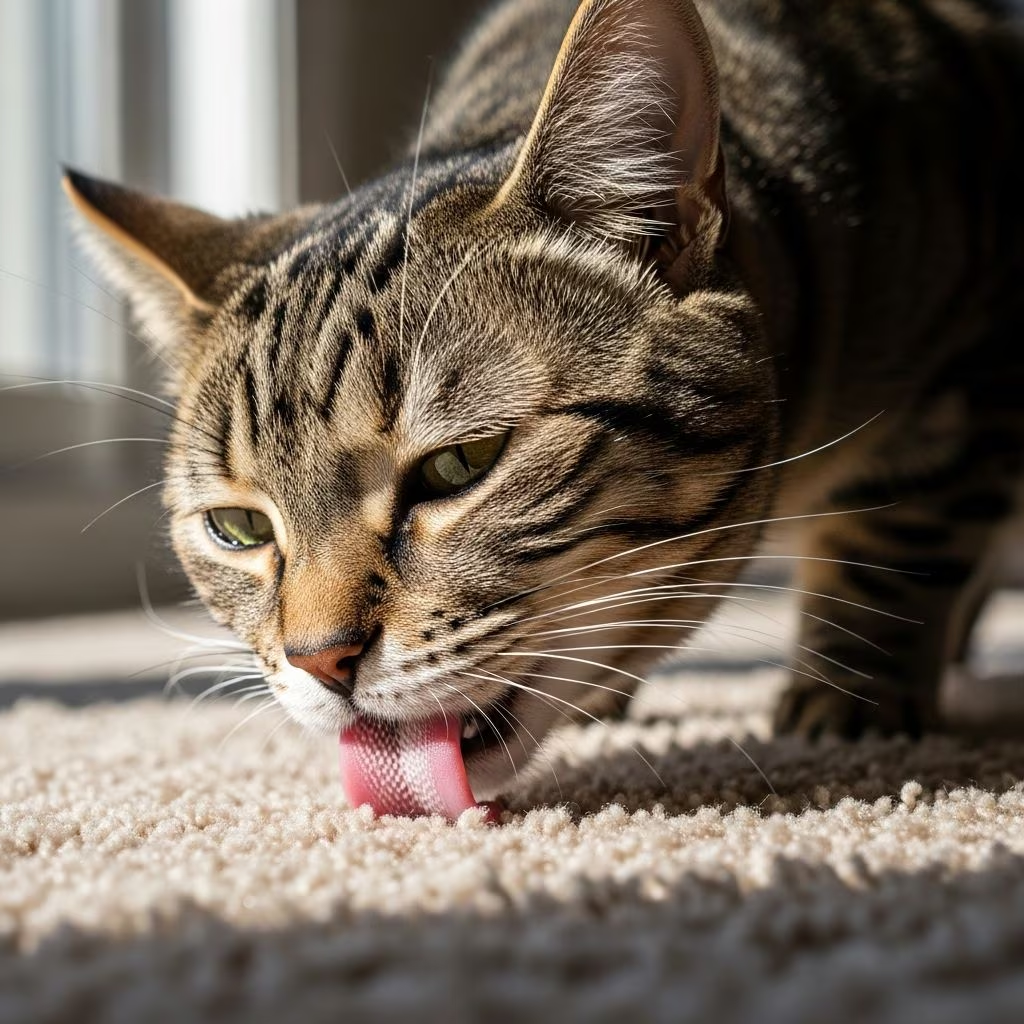
If you’ve noticed your cat licking the carpet, you’re not alone. This quirky behavior can range from harmless to a sign of underlying issues. Cats may lick carpets for normal reasons or due to conditions like pica, which involves mouthing non-food items. Understanding the causes helps you decide if it’s time to intervene or consult a vet.
In this comprehensive guide, we explore the five primary reasons cats lick carpets, drawing from veterinary insights. We’ll cover prevention strategies, health risks, and when to seek professional help. Whether it’s boredom or a medical concern, you’ll find actionable advice to keep your cat healthy and your carpets intact.
The 5 Reasons Why Your Cat Is Licking the Carpet
Cats exhibit this behavior for various reasons, from instinctual to pathological. Here’s a breakdown of the most common causes, supported by expert observations.
1. It Might Taste Good
Cats possess an exceptional sense of smell, far superior to humans, which draws them to investigate scents on surfaces like carpets. Spilled food, drinks, or residues can attract your cat, leading them to lick up tasty remnants. This is often innocent exploration rather than a problem.
For instance, a drop of milk or fishy treat crumb might linger, making the carpet irresistible. If this is the case, thorough cleaning—such as steam cleaning—removes the allure. To deter licking without punishment, distract with interactive toys or apply cat-safe repellents. These sprays use natural scents cats dislike, like citrus, ensuring safety around pets.
- Distract: Offer feather wands or laser pointers during licking sessions.
- Repel: Use pet-safe sprays; test on a small area first.
- Clean: Professional steam cleaning eliminates deep residues.
Monitor if licking persists post-cleaning, as it may indicate other issues.
2. Comfort Behavior
Licking and sucking provide self-soothing for cats, mimicking kittenhood nursing. Your cat might lick the carpet’s texture for comfort, often while kneading (making biscuits) in a relaxed state. This is common in content cats with all needs met.
Endorphins released during licking promote relaxation, similar to how humans fidget for calm. If your cat lies down, purrs, and kneads while licking, it’s likely positive. No intervention is needed unless fabric ingestion occurs, risking blockages.
Redirect to appropriate items:
- Soft blankets or catnip toys for kneading.
- Fleece items that mimic the sucking sensation safely.
- Ensure no loose threads that could be swallowed.
This behavior often decreases with age or increased environmental enrichment.
3. Boredom
Boredom strikes indoor cats lacking stimulation, leading to repetitive acts like carpet licking for entertainment. Frustration from unmet play needs manifests as this outlet, akin to human nail-biting.
Solution-focused enrichment combats this:
| Enrichment Type | Examples | Benefits |
|---|---|---|
| Interactive Play | Daily 15-20 min sessions with wand toys | Burns energy, strengthens bond |
| Climbing Structures | Multi-tier cat trees, shelves | Provides vertical space, hunting simulation |
| Puzzle Toys | Treat-dispensing balls, food puzzles | Mental stimulation, prevents overeating |
Increase playtime, rotate toys weekly, and observe improvements within days. Boredom licking often stops with routine engagement.
4. Behavioral Disorders
Anxiety or stress triggers pica in cats, where they compulsively lick non-foods like carpets as coping. This links to obsessive-compulsive disorder (OCD), with accompanying signs.
Watch for these stress indicators:
- Aggression or reactivity to stimuli.
- Digestive problems: diarrhea, constipation.
- Excessive grooming causing hair loss.
- Over-scratching furniture.
- Inappetence or increased sleeping.
- Isolation or litter box avoidance.
Environmental changes—like new pets or moves—exacerbate this. Reduce stressors by providing safe spaces, pheromone diffusers (Feliway), and consistent routines. If signs persist over two weeks, consult a vet behaviorist for anti-anxiety options.
5. Disease
Medical issues underlie some licking, especially pica from malnutrition despite quality diets. Gastrointestinal diseases, parasites, inflammatory bowel disease (IBD), or cancers impair nutrient absorption, prompting unusual cravings.
Feeling unwell, cats lick as self-comfort. Risks include:
- Gastrointestinal Obstruction: Ingested fibers cause blockages; watch for vomiting, lethargy.
- Toxicity: Recent cleaning chemicals irritate orally.
- Anal Gland Issues: Though more linked to scooting, discomfort may contribute indirectly.
Veterinary evaluation is crucial: physical exams, bloodwork, fecal tests rule out parasites or IBD. Early detection prevents complications. Steam clean carpets to avoid chemical exposures; salt or harsh treatments pose sodium toxicity risks.
Risks of Carpet Licking
Beyond causes, persistent licking endangers health. Linear foreign bodies from carpet fibers can saw through intestines during vomiting attempts—a surgical emergency. Cleaning products cause ulcers or poisoning via grooming.
Symptoms warranting immediate vet visit:
- Vomiting or poor appetite.
- Lethargy or weight loss.
- Diarrhea with blood or mucus.
- Abdominal pain (hunched posture).
Prevent by covering high-risk areas with rugs or bitter sprays.
How to Stop Your Cat from Licking the Carpet
Address root causes first:
- Observe Patterns: Time, location, body language clue the trigger.
- Enrich Environment: Toys, trees, play as above.
- Clean Thoroughly: Steam only; no chemicals.
- Redirect: Offer alternatives like lick mats with pureed food.
- Vet Check: Rule out medical issues promptly.
For pica, diet tweaks (high-fiber for digestion) or supplements may help, per vet advice. Patience yields results; sudden changes stress cats further.
Frequently Asked Questions (FAQs)
Is carpet licking always a sign of pica?
No, it can be normal like tasting residues or comfort. Pica involves ingestion and ties to disorders or disease—vet assessment differentiates.
Can cleaning products cause this?
Yes, residues irritate, prompting licking then toxicity. Stick to steam cleaning.
What if my cat ingests carpet fibers?
Monitor for obstruction signs; seek emergency care if vomiting occurs. Prevention is key.
Does early weaning cause wool sucking?
Often yes; it mimics nursing. Most outgrow, but enrich to redirect.
When to worry about stress licking?
If with other signs like aggression or appetite loss, investigate stressors or health issues.
Conclusion
Carpet licking spans innocent habits to health red flags. By pinpointing causes—taste, comfort, boredom, behavior, or disease—you protect your cat. Prioritize enrichment, cleaning, and vet visits for peace of mind. A stimulated, healthy cat means cleaner floors for you.
References
- Why Do Cats Lick the Carpet? — Cat Tales, The Columbian. 2024-03-31. https://blogs.columbian.com/cat-tales/2024/03/31/why-do-cats-lick-the-carpet/
- Why Is My Cat Licking the Carpet? 5 Vet-Reviewed Reasons — Catster. Recent (2024/2025 access). https://www.catster.com/cat-behavior/why-is-my-cat-licking-the-carpet/
- Why is My Cat Scooting on the Carpet? — Hill’s Pet Nutrition. Recent. https://www.hillspet.com/cat-care/behavior-appearance/cat-scooting-and-anal-glands
- Why Does My Cat Lick Everything? — ASPCA Pet Health Insurance. Recent. https://www.aspcapetinsurance.com/resources/why-cats-lick/



