

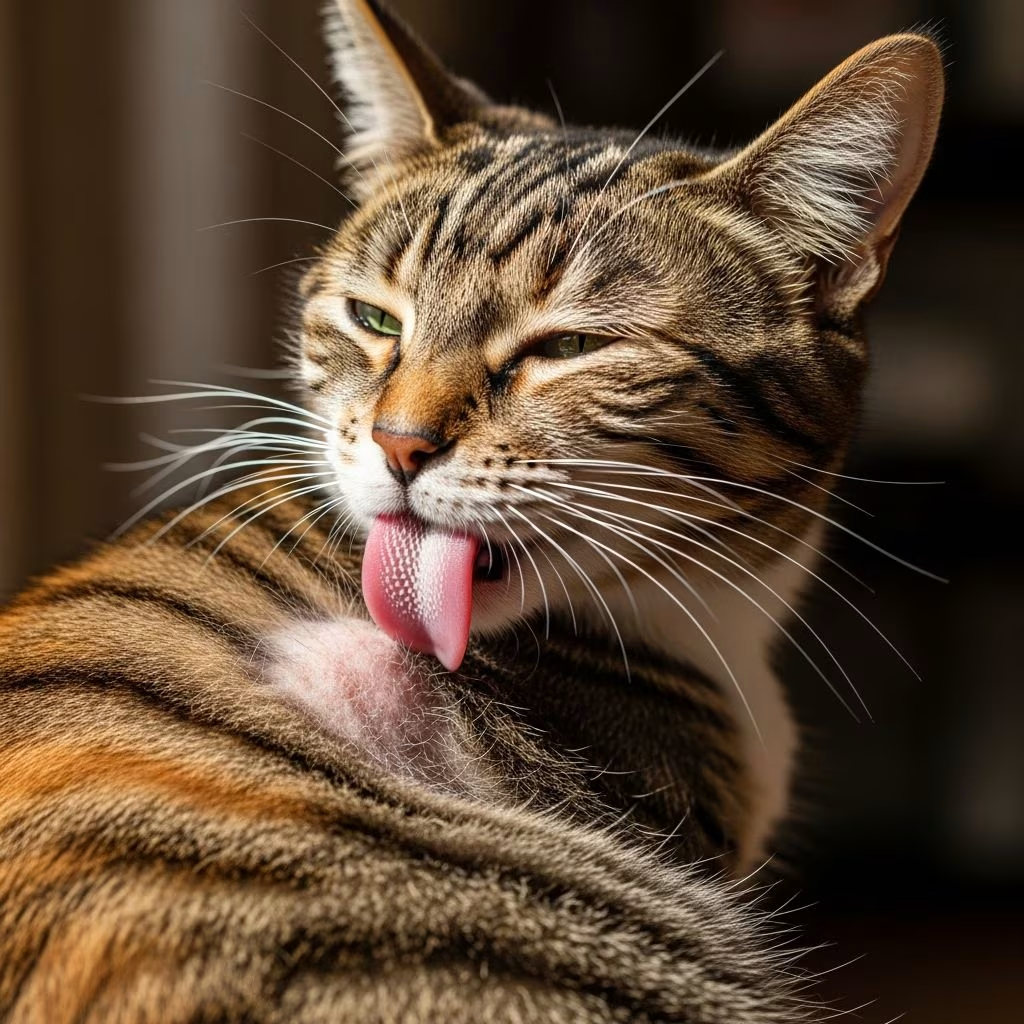
Cats are meticulous groomers, spending up to 50% of their waking hours licking their fur to stay clean, remove odors, and regulate body temperature. However, when licking becomes excessive and results in **fur loss**, bald patches, or skin irritation, it signals an underlying issue. This behavior, often called overgrooming or psychogenic alopecia, can stem from **medical conditions** like allergies or parasites, or **behavioral triggers** such as stress. Early intervention is crucial to prevent secondary infections or self-trauma.
In this comprehensive guide, we’ll explore the reasons your cat might be licking her fur off, diagnostic steps, treatment options, and prevention strategies. Understanding the **patterns of hair loss**—such as bald spots on the belly, base of the tail, or legs—can help pinpoint the cause. Always consult a veterinarian for a proper diagnosis, as self-treatment risks missing serious health problems.
Normal vs. Excessive Grooming in Cats
Normal grooming keeps a cat’s coat healthy and odor-free, an instinctual behavior rooted in survival to avoid predators. Cats lick to distribute natural oils, remove dirt, and cool down via evaporation. However, **excessive grooming** occurs when licking exceeds 30-50% of the day, leading to visible **hair loss in strips** along the back, abdomen, inner thighs, or chest.
- **Signs of overgrooming:** Symmetrical bald patches, broken hairs, red inflamed skin, or self-induced wounds.
- **Common locations:** Belly, groin, base of tail, legs, and sometimes the face or paws.
- **Associated symptoms:** Itchiness (scratching), restlessness, or changes in appetite/behavior.
If you notice these, observe the pattern: Flea allergies often affect the tail base, while stress-related licking targets the abdomen.
Medical Causes for Cats Licking Fur Off
Most cases of excessive licking have a **medical root**, with skin irritation driving the cat to soothe itself. Ignoring these can lead to chronic issues like hot spots or ulcers.
Skin Allergies
**Allergic dermatitis** is a top culprit, triggered by fleas, food, pollen, dust, or mold. **Flea allergy dermatitis (FAD)** causes intense itching at the rump, abdomen, and hind legs, even from one flea bite. Cats develop small bumps, scabs, and fur loss in these areas.
- **Flea allergy signs:** Hair loss pre-tail, neck bumps, relentless licking.
- **Other allergies:** Food sensitivities cause paw chewing; environmental ones lead to generalized itching.
Treatment involves allergen removal (flea preventives like topical/oral meds) and hypoallergenic diets. Long-term management may be needed.
Parasites
External parasites like **fleas, mites (sarcoptic mange, ear mites, Cheyletiella)**, and ticks provoke vigorous licking. Cats may remove fleas entirely but continue grooming irritated skin. **Ringworm** (fungal infection) creates circular bald patches with scaling.
- **Mite infestations:** Hair loss on ears, elbows, hocks; intense itch (“walking dandruff” for Cheyletiella).
- **Ringworm:** Glowing under UV light; contagious to humans/pets.
Strict parasite control with vet-approved products is essential; environmental cleaning prevents reinfestation.
Wounds, Infections, and Pain
**Bite wounds, abscesses, or lacerations** (common on paws, face, neck) prompt licking to clean but worsen if infected. **Anal gland issues** cause rear-end scooting and licking. **Pain** from arthritis, bladder inflammation (cystitis), or dental problems leads to targeted overgrooming—e.g., belly licking for UTIs.
Cats hide pain well, so excessive focus on one area (back for spinal issues) is a red flag.
Feline Eosinophilic Granuloma Complex (EGC)
**EGC** is an allergic skin reaction causing raised lesions, ulcers on lips/tongue, or hair loss on legs/face. It manifests in three forms: linear granuloma, plaques, or indolent ulcers. Often flea-related or idiopathic.
Other Conditions
- **Dry skin:** From poor diet or low humidity, leading to flaking and licking.
- **Hyperthyroidism or hormonal imbalances:** Rare but increase grooming drive.
Behavioral Causes of Overgrooming
When medical issues are ruled out, **psychogenic alopecia**—stress-induced excessive grooming—affects 10-20% of cases, more common in young females. Cats lick to self-soothe, creating baldness on flanks, belly, or legs.
Stress and Anxiety Triggers
**Displacement grooming** occurs during conflict (e.g., new pets, moves), calming the cat temporarily but becoming compulsive. Boredom in indoor cats or routine changes exacerbates it.
- **Common stressors:** Household changes, lack of play, multi-cat tension.
- **Signs:** Normal health exams but persistent licking; worsens at night.
Compulsive Disorders
Like OCD in humans, some cats develop **psychogenic overgrooming**, pulling hair with teeth, leading to wounds.
How to Diagnose Why Your Cat Is Licking Her Fur Off
Vets start with a thorough **physical exam**, noting hair loss pattern, skin condition, and lesions.
Diagnostic Tests
| Test | Purpose | What It Involves |
|---|---|---|
| Skin Scrapings | Detect mites/parasites | Blade scrapes skin; microscopic exam. |
| Fungal Culture | Confirm ringworm | Hair pluck on media; color change indicates fungi. |
| Trichogram | Assess hair health | Hair microscopy for breakage vs. normal growth. |
| Bloodwork/Allergy Testing | Rule out systemic issues | Intradermal or serum tests for allergens. |
| Biopsy | EGC or cancer | Skin sample analysis (last resort). |
Rule out medical causes first; behavioral if tests are negative.
Treatment Options for Excessive Licking
Treatment targets the cause:
- Parasites/Allergies: Flea meds (e.g., Revolution), antihistamines, steroids short-term, hypoallergenic food trials (8-12 weeks).
- Infections: Antibiotics, antifungals for ringworm (oral + topical, 4-6 weeks).
- Pain: NSAIDs, joint supplements for arthritis.
- Behavioral: Environmental enrichment (puzzle toys, pheromones like Feliway), anti-anxiety meds (fluoxetine) if severe.
- Supportive Care: E-collars to prevent licking, medicated shampoos, omega-3 supplements for skin health.
Pet insurance can offset costs for chronic allergies. Monitor progress; combine therapies for best results.
Preventing Your Cat from Licking Fur Off
- Monthly flea prevention year-round.
- Stress reduction: Vertical spaces, playtime (15-30 min daily), consistent routine.
- High-quality diet rich in omega fatty acids.
- Regular vet check-ups for early detection.
- Clean litter boxes (1 per cat +1), minimize changes.
Enrichment prevents boredom-induced grooming.
When to See a Vet
Seek immediate care if: Rapid hair loss, wounds/ulcers, lethargy, vomiting, or behavioral changes. Delaying risks infections or nutritional deficits from stress.
Frequently Asked Questions (FAQs)
What if my cat licks only one spot?
This suggests **localized pain or injury**, like a UTI (belly) or wound. Vet exam essential.
Can diet cause fur licking?
Yes, **food allergies** trigger itching; switch to novel protein diets under vet guidance.
Is overgrooming contagious?
No, but **ringworm/parasites** are. Treat all pets/household.
How long does treatment take?
Medical: 2-6 weeks; behavioral: Months with lifestyle changes.
Will the fur grow back?
Yes, if cause addressed promptly; severe cases may scar.
References
- My Cat is Licking Her Fur Off, What Do I Do? — PetPlace. 2023. https://www.petplace.com/article/cats/diseases-conditions-of-cats/my-cat-is-licking-her-fur-off-what-do-i-do
- Understanding and Addressing Excessive Hair Licking in Cats — Little Silver Animal Hospital. 2024. https://littlesilveranimalhospital.com/blog/excessive-hair-licking-in-cats/
- Cat Pulling Hair Out: Causes for This Behavior — Wakefield Veterinary Clinic. 2023. https://wakefieldpetvet.com/blog/cat-pulling-hair-out/
- Why Cats Overgroom and How You Can Stop It — PetMD. 2025-01-10. https://www.petmd.com/cat/general-health/how-tell-if-your-cat-over-grooming
- Cats and Compulsive Scratching, Licking, and Chewing — WebMD. 2024. https://www.webmd.com/pets/cats/features/cats-and-compulsive-scratching-licking-and-chewing



