

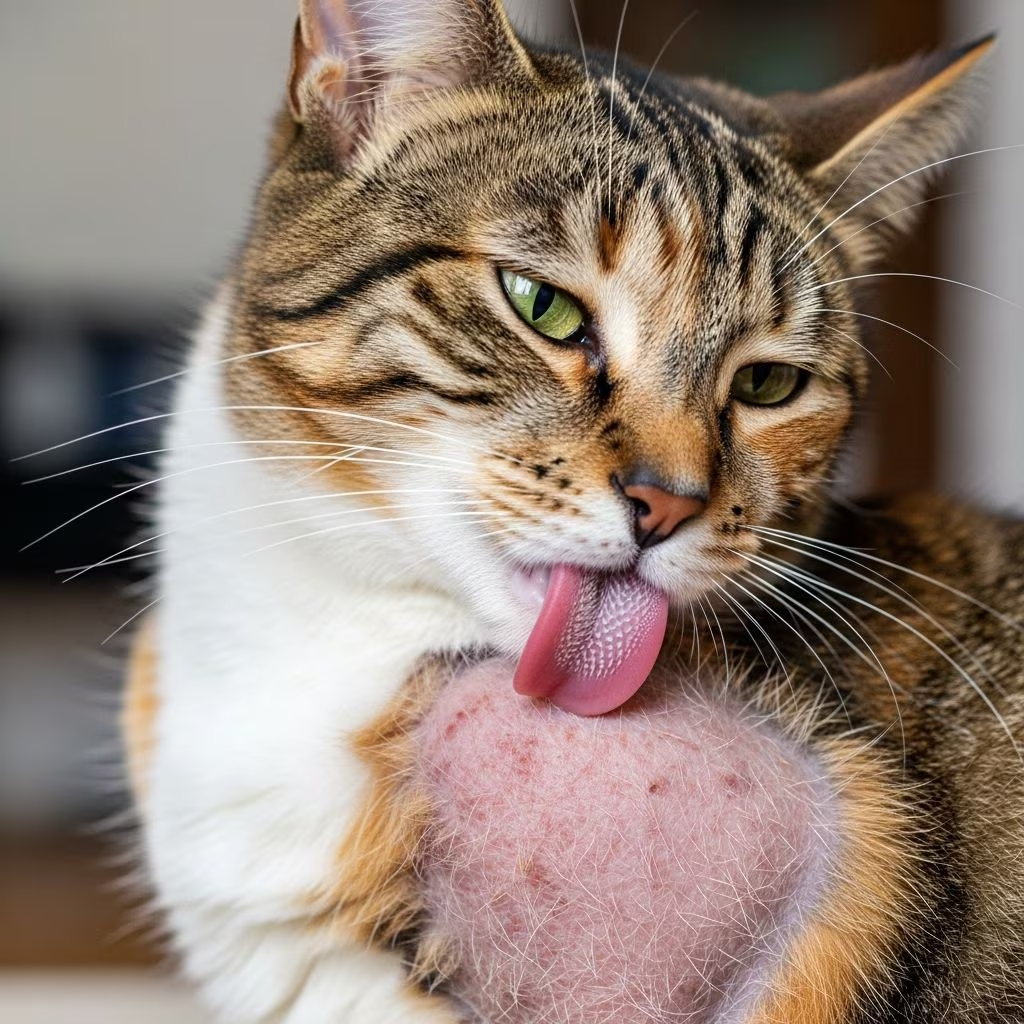
Cats are meticulous groomers by nature, spending up to 50% of their waking hours licking their fur to stay clean, remove odors, and regulate body temperature. However, when licking becomes excessive and leads to bald patches, thinning fur, or skin irritation, it’s a red flag for underlying issues. This behavior, known as overgrooming or psychogenic alopecia in severe cases, can stem from medical conditions like allergies or parasites, or behavioral triggers such as stress. Understanding the root cause is crucial, as untreated overgrooming can lead to skin infections, wounds, and further health complications. In this comprehensive guide, we’ll explore why your cat might be licking her fur off, how to identify the problem, diagnostic steps, and effective treatments to help your feline regain a healthy coat.
Normal vs. Excessive Grooming in Cats
Normal grooming keeps your cat’s coat shiny and healthy. Cats lick to remove dirt, spread natural oils, and eliminate scents that could attract predators—a survival instinct from their wild ancestors. They may also lick objects, people, or plastic as part of this routine. However, excessive licking crosses into problematic territory when it results in visible hair loss, often in symmetrical patterns on the belly, back legs, base of the tail, or inner thighs. You might notice bald spots, red inflamed skin, scabs, or even self-inflicted wounds from pulling hair out with teeth. This isn’t just cosmetic; it signals discomfort your cat is trying to soothe through licking.
Signs of excessive grooming include:
- Bald patches or thinning fur, especially on the abdomen, chest, back, or legs
- Red, irritated skin or sores from constant moisture
- Overgrown nails from lack of use due to constant licking
- Behavioral changes like restlessness, hiding, or aggression
- Secondary infections from broken skin
If you spot these, act quickly—early intervention prevents worsening.
Medical Causes for Cats Licking Fur Off
Most cases of overgrooming have a medical basis, with skin irritation driving the cat to lick for relief. Ruling out these is the first step in any vet visit. Here’s a breakdown of common culprits:
Skin Allergies
Allergic dermatitis tops the list, triggered by fleas, food, environmental allergens like pollen, dust, or mold. Flea allergy dermatitis (FAD) is notorious, where even one flea bite causes intense itching due to saliva hypersensitivity. Hair loss typically occurs at the base of the tail, rump, and hind legs, often with small red bumps on the neck. Food allergies might cause generalized itching, while atopy (environmental allergies) leads to paw chewing or face rubbing. Treatment involves identifying and eliminating the allergen: strict flea control, hypoallergenic diets, or antihistamines/steroids.
Parasites
Fleas are public enemy number one, but don’t overlook mites like Sarcoptes scabiei (scabies), causing crusty ears and elbow hair loss, or Cheyletiella (walking dandruff), leading to flaky, itchy skin along the back. Ear mites prompt neck and ear grooming. These parasites cause relentless itch, prompting furious licking.
Wounds and Infections
Bite wounds, abscesses, or lacerations from fights prompt targeted licking. Common sites: paws, face, neck, and rear. Infections around these areas exacerbate itching, leading to fur loss. Anal gland impactions or infections cause scooting and rectal licking.
Ringworm and Fungal Issues
This contagious fungal infection (dermatophytes) creates circular bald patches with scaling. Cats lick these itchy lesions, worsening spread.
Pain-Related Licking
Cats lick to soothe pain from arthritis (joint areas), urinary tract infections (abdomen/genitals), dental issues (face), or back pain. Localized overgrooming pinpoints the problem area.
Feline Eosinophilic Granuloma Complex (EGC)
An allergic reaction causing raised, ulcerated lesions on lips, mouth, legs, or paws. Itchy and dramatic, it drives excessive grooming.
| Condition | Common Hair Loss Sites | Key Symptoms |
|---|---|---|
| Flea Allergy | Base of tail, hind legs | Red bumps, intense itch |
| Food/Environmental Allergy | Belly, paws, face | Generalized itch, chewing |
| Parasites (Mites) | Ears, elbows, back | Flakes, crusts |
| Pain (e.g., UTI) | Abdomen, genitals | Localized licking |
| EGC | Lips, legs, face | Ulcers, raised sores |
Behavioral Causes of Excessive Grooming
After medical issues are ruled out, stress-related psychogenic alopecia emerges. Cats displace anxiety through grooming, a calming ritual that becomes compulsive.
Stress and Anxiety
Triggers include new pets, moves, household changes, or boredom in indoor cats. Young females are prone. Licking starts normal but escalates to fur mowing on belly/back legs.
Displacement Grooming
In tense situations (e.g., multi-cat homes), cats groom to de-stress, mimicking wild conflict avoidance.
Boredom
Understimulated cats overgroom for sensory input. Enrich environments with toys, perches, and play.
How Vets Diagnose Overgrooming
Diagnosis starts with a thorough history: onset, pattern, diet changes, flea exposure. Physical exams check skin, coat, and lymph nodes.
- Skin Scrapings: Blade scrapes for mites, viewed under microscope.
- Fungal Cultures: Hairs cultured for ringworm (yellow-to-red color change).
- Trichogram: Hairs examined for breakage vs. normal growth.
- Biopsy/Bloodwork: For allergies, EGC, or systemic issues.
- Flea Comb/Dermatology Tests: Intradermal allergy testing for atopy.
Video your cat’s licking for the vet—patterns guide diagnosis.
Treatment Options for Cats Licking Fur Off
Treatment targets the cause:
- Parasite Control: Monthly topicals/orals like fipronil; treat environment.
- Allergies: Steroids, Apoquel, Cytopoint injections; novel protein diets.
- Infections: Antibiotics, antifungals.
- Pain: NSAIDs, joint supplements.
- Behavioral: Pheromone diffusers (Feliway), anxiety meds (fluoxetine), environmental enrichment. Elizabethan collars prevent licking during healing.
Regrowth takes 4-6 weeks; monitor progress. Holistic aids like omega-3 supplements soothe skin.
Preventing Excessive Licking in Cats
Proactive steps:
- Yearly flea preventives.
- High-quality, limited-ingredient diet.
- Stress reduction: scratching posts, vertical space, routine play.
- Regular vet checkups.
- Clean litter boxes (one per cat +1).
For multi-cat homes, provide ample resources to minimize conflict.
When to See a Vet Urgently
Seek immediate care if:
- Hair loss >2 weeks or worsening.
- Open sores, bleeding, or foul odor (infection risk).
- Lethargy, appetite loss, vomiting.
- Licking one spot obsessively (pain signal).
Don’t use human creams—they’re toxic to cats.
Frequently Asked Questions (FAQs)
Why is my cat suddenly licking her belly bald?
Often allergies, fleas, or stress. Belly is accessible and common for psychogenic alopecia or UTI pain. Vet exam essential.
Can stress alone cause a cat to lose fur?
Yes, via psychogenic alopecia. Rule out medical first; enrich environment if behavioral.
How long for fur to regrow after stopping licking?
4-8 weeks with treatment. Use collars to aid healing.
Is overgrooming common in indoor cats?
Yes, due to boredom/stress. Provide stimulation.
What if my cat licks despite flea treatment?
Check for other allergies or mites. Environmental flea control needed.
References
- My Cat is Licking Her Fur Off, What Do I Do? — PetPlace.com. 2023. https://www.petplace.com/article/cats/diseases-conditions-of-cats/my-cat-is-licking-her-fur-off-what-do-i-do
- Understanding and Addressing Excessive Hair Licking in Cats — Little Silver Animal Hospital. 2024-05-15. https://littlesilveranimalhospital.com/blog/excessive-hair-licking-in-cats/
- Excessive Licking in Cats: Why Do Cats Do This? — Festival Animal Clinic. 2024. https://festivalanimalclinic.com/blog/excessive-licking-in-cats/
- Why Cats Overgroom and How You Can Stop It — PetMD. 2025-03-10. https://www.petmd.com/cat/general-health/how-tell-if-your-cat-over-grooming
- Fur-Mowing (Feline) — Mar Vista Animal Medical Center. 2023-11-01. https://www.marvistavet.com/fur-mowing-feline.pml



