

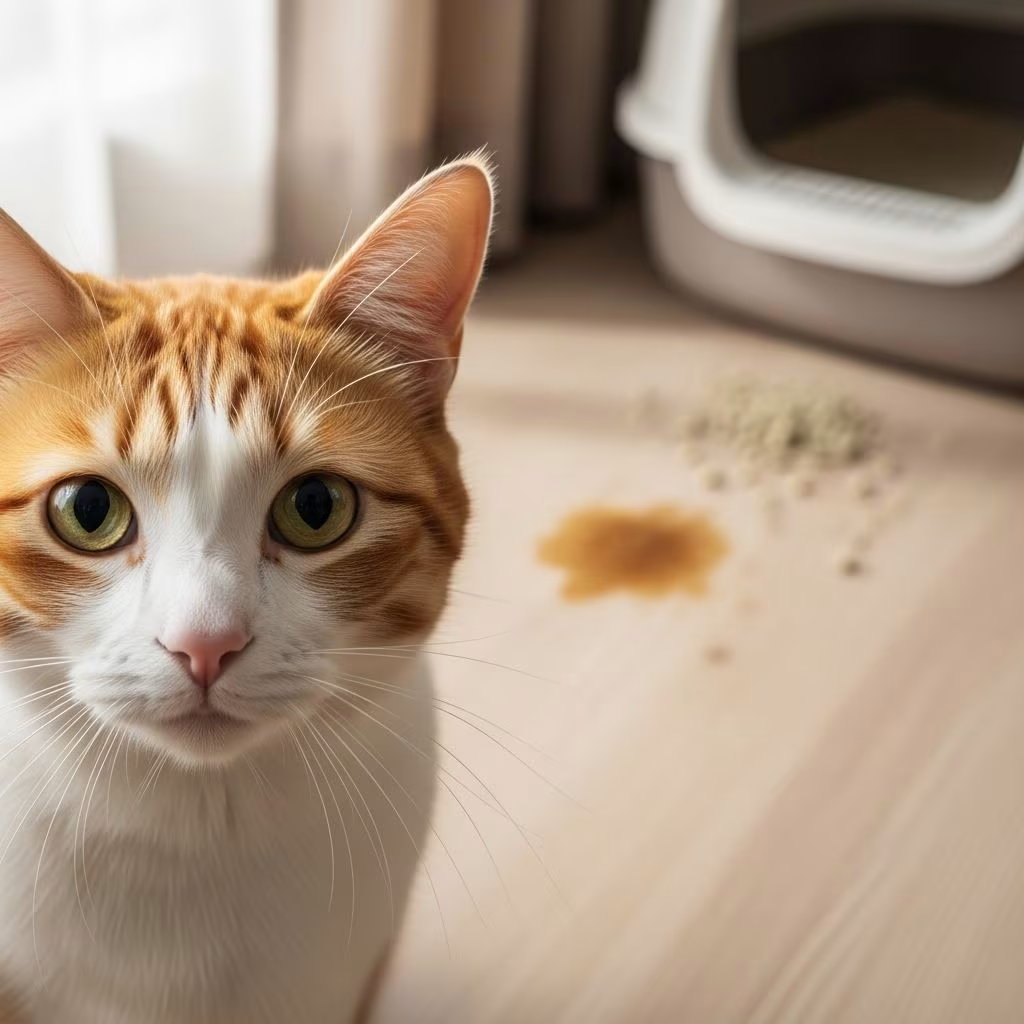
Fecal incontinence in cats, often noticed as leaking poop or soiled fur around the rear, can distress pet owners. This condition, where stool leaks uncontrollably, stems from issues like anal gland problems, chronic diarrhea, muscle weakness, or neurological disorders. Prompt veterinary evaluation is essential to identify the root cause and prevent complications like skin infections or dehydration.
What Does It Mean When a Cat Leaks Poop?
When a cat leaks poop, it typically indicates **fecal incontinence**, a loss of voluntary bowel control. You might see brown stains on the fur near the tail base, a foul odor, or small amounts of liquid stool on bedding or floors. Unlike normal defecation, this leakage happens without the cat straining or assuming position. It differs from diarrhea, which involves frequent loose stools, though severe diarrhea can contribute to leakage.
This issue affects cats of all ages but is more common in seniors due to age-related muscle weakening. Kittens may experience it from parasites or congenital defects. Early detection prevents secondary problems like perianal dermatitis from constant moisture.
Causes of Cats Leaking Poop
Several factors can cause a cat to leak poop. Understanding these helps in diagnosis and treatment.
1. Anal Gland (Sac) Issues
Cats have two anal sacs that express fluid during defecation, aiding identification. Blockage or impaction leads to swelling, pain, and overflow incontinence where liquid stool leaks around impacted glands. Infection (abscess) or recurrent sacculitis worsens it, causing scooting, licking, or bloody discharge.
Veterinarians often express glands manually; chronic cases may need flushing, antibiotics, or surgery.
2. Diarrhea or Liquid Stool
Chronic or severe **diarrhea** produces watery stool that escapes sphincter control, mimicking leakage. Common triggers include dietary changes, food allergies, parasites (worms, giardia), bacterial/viral infections, or stress.
Symptoms: Frequent small amounts of loose stool, urgency, mucus/blood. Acute cases resolve with fasting and bland diets; persistent ones require deworming, probiotics, or antibiotics.
3. Sphincter Muscle Weakness
The anal sphincter controls stool retention. Weakness from aging, trauma, surgery, or myopathies (muscle diseases) allows leakage, especially of soft stool. Older cats over 10 years are prone due to sarcopenia.
Diagnosis involves rectal exams; treatment may include stool firmers or dietary fiber.
4. Neurological Problems
Disorders affecting nerves to the sphincter, like spinal injuries, FIP (feline infectious peritonitis), tumors, or intervertebral disc disease, disrupt signals for bowel control. Cats may drag hindquarters or show paralysis.
MRI or CSF analysis diagnoses; treatments range from anti-inflammatories to surgery.
5. Inflammatory Bowel Disease (IBD)
IBD causes gut inflammation, leading to malabsorption and chronic diarrhea that leaks. Allergies or immune issues trigger it; biopsies confirm diagnosis.
Management: Hypoallergenic diets, steroids, immunosuppressants.
6. Other Serious Conditions
- Pancreatitis: Inflamed pancreas disrupts digestion, causing greasy diarrhea.
- Hyperthyroidism: Speeds metabolism, leading to rapid transit diarrhea in seniors.
- Cancer: Colorectal tumors obstruct or infiltrate sphincter.
- Liver/Kidney Disease: Toxin buildup causes loose stools.
- Parasites/Infections: Giardia, Clostridium, coronavirus.
Symptoms to Watch For
Beyond visible leakage, note:
- Scooting or excessive anal licking
- Blood, mucus, or worms in stool
- Lethargy, vomiting, appetite loss
- Weight loss, dehydration (sunken eyes, tacky gums)
- Straining (tenesmus) or accidents indoors
Sudden onset with these signs warrants immediate vet care to rule out emergencies like toxins or obstructions.
When to See a Vet
Consult a vet if leakage lasts over 24-48 hours, or accompanies blood, vomiting, fever, or weakness. Kittens, seniors, or dehydrated cats need urgent attention—dehydration kills quickly.
Bring a fresh stool sample for parasite checks. Diagnostics: Fecal analysis, bloodwork, ultrasound, X-rays, or colonoscopy.
How Do Vets Diagnose Leaking Poop in Cats?
Vets start with history (diet, recent changes) and physical/rectal exam. Further tests:
| Test | Purpose |
|---|---|
| Fecal flotation/PCR | Detect parasites, bacteria, viruses |
| Blood panel | Check organ function, thyroid, electrolytes |
| Imaging (X-ray, ultrasound) | Identify masses, obstructions |
| Biopsy/Endoscopy | Confirm IBD, cancer |
Treatment targets the cause, from gland expression to hospitalization with IV fluids.
Treatment Options for Cats Leaking Poop
Tailored to diagnosis:
- Anal glands: Manual expression, antibiotics, diet high in fiber
- Diarrhea: Withhold food 12-24h, then bland diet (boiled chicken/rice), probiotics
- Infections: Dewormers (fenbendazole), antibiotics (metronidazole)
- IBD/Neurological: Steroids, pain meds, surgery if needed
- Supportive: Fluids, anti-nausea, stool softeners
Never use human anti-diarrheals without vet approval—toxic to cats.
Home Care and Prevention Tips
While awaiting vet:
- Clean rear gently with warm water/wipes; apply barrier cream
- Feed high-fiber diet to firm stools (pumpkin puree, 1 tsp/day)
- Gradual diet transitions over 7-10 days
- Reduce stress: Litter boxes per cat +1, pheromone diffusers
- Prevent toxins, garbage access; regular deworming/flea control
Monitor weight, stool consistency; probiotics like FortiFlora aid gut health.
Frequently Asked Questions (FAQs)
Is cat leaking poop an emergency?
Yes, if with blood, vomiting, lethargy, or dehydration—seek care immediately.
Can diet fix my cat leaking poop?
Diet helps mild cases (fiber-rich), but vet diagnosis rules out serious issues first.
Why is my senior cat leaking poop?
Often sphincter weakness, hyperthyroidism, or cancer; full workup needed.
How much does anal gland expression cost?
$20-50 per session; chronic may need ongoing care.
Can parasites cause leaking poop in kittens?
Yes, heavy worm burdens lead to diarrhea and leakage—deworm promptly.
References
- Cat Diarrhea: Causes and Remedies — Pet Assure. 2023. https://www.petassure.com/new-newsletters/cat-diarrhea-causes-and-remedies/
- Diarrhea in Cats: Common Causes & When It’s Serious — Animal General CT. 2022-05-15. https://www.animalgeneralct.com/site/blog/2022/05/15/diarrhea-in-cats-common-causes-when-its-serious
- Diarrhea in Cats — Voorhees Vet. 2023-10-15. https://www.voorheesvet.com/site/blog/2023/10/15/diarrhea-cats
- Cat Diarrhea: Causes and What to Do About It — PetMD. 2024. https://www.petmd.com/cat/symptoms/cat-diarrhea
- Diarrhea in Cats: Common Causes & When It’s Serious — Vet Referral Center. 2024-02-15. https://www.vetreferralcenter.com/site/blog/2024/02/15/diarrhea-cats
- Diarrhea in Cats — Pets on Broadway. 2024-07-31. https://www.petsonbroadway.net/site/blog/2024/07/31/diarrhea-cats
- Cat Diarrhea: Causes, Symptoms & Treatment — Purina US. 2024. https://www.purina.com/articles/cat/health/digestion/cat-diarrhea-causes-treatment
- Managing Cat Diarrhea: Causes, Symptoms & Treatment — Hill’s Pet. 2024. https://www.hillspet.com/cat-care/healthcare/cat-diarrhea-causes-and-treatment
- Diarrhea in Cats — VCA Animal Hospitals. 2024. https://vcahospitals.com/know-your-pet/diarrhea-in-cats



