

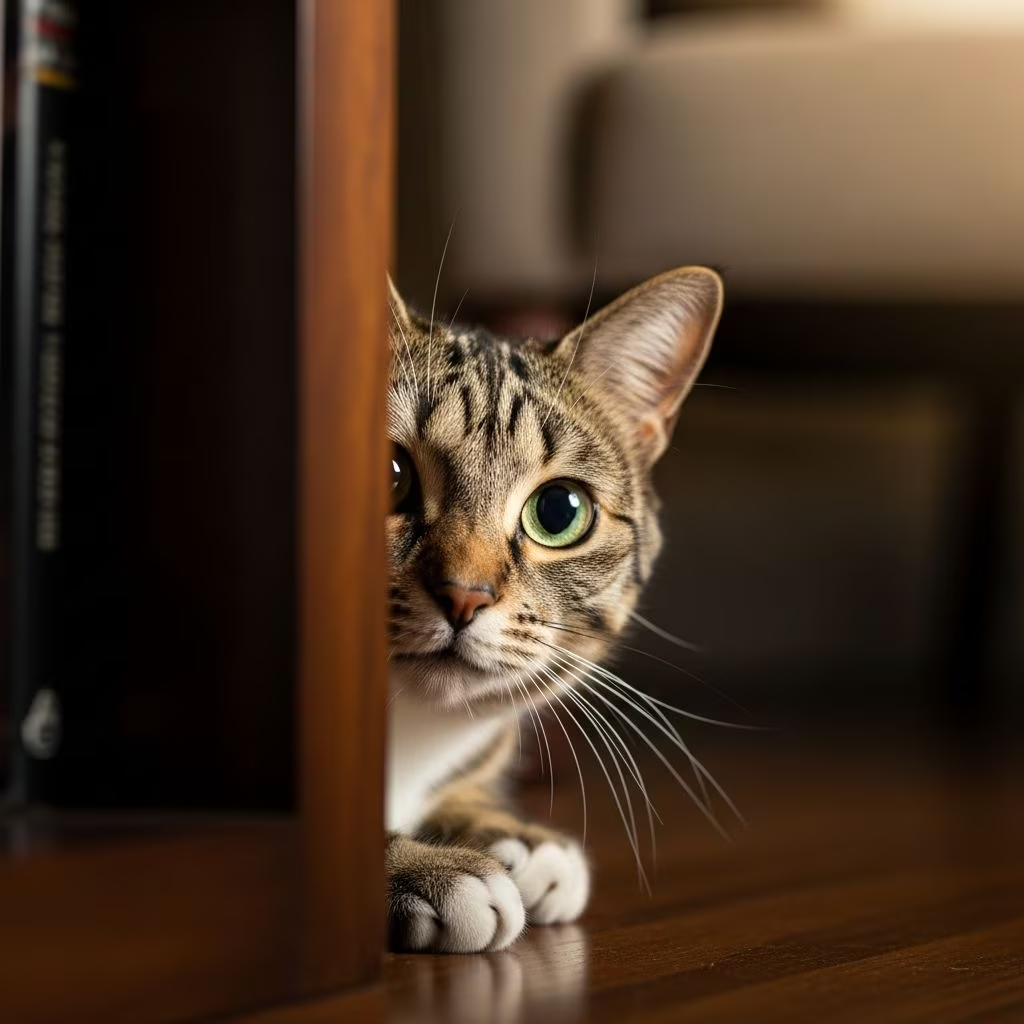
Why Is My Cat Hiding? Understanding Your Feline’s Behavior
If you’ve noticed your cat spending more time in closets, under beds, or behind furniture, you’re not alone. Cat hiding is one of the most common behavioral concerns cat owners face. While occasional hiding is perfectly normal and often part of healthy feline behavior, sudden or prolonged hiding can signal underlying issues that deserve your attention. Understanding why your cat hides is the first step toward creating a comfortable, secure environment where your feline companion can thrive.
Natural Instincts and Normal Hiding Behavior
Cats are both predators and prey in the wild, which means their instinct to hide is deeply ingrained in their DNA. In nature, cats conceal themselves when stalking prey and when avoiding larger predators. This instinctual drive doesn’t disappear simply because your cat lives indoors. In fact, hiding is considered a normal, healthy activity that most cats include in their behavioral repertoire.
Many cat owners are surprised to learn that their feline companions are naturally nocturnal or crepuscular, meaning they’re most active during dawn, dusk, and nighttime hours. If your cat usually spends its day hidden, this is generally fine and normal behavior. The key distinction is whether your cat is choosing to hide as part of their natural routine or if they’re hiding due to stress, fear, or medical concerns.
When Hiding Becomes a Concern
The problem arises when social cats who typically interact with their owners suddenly start hiding. This behavioral shift often indicates stress, fear, a medical issue, or some combination of these factors. Pay close attention to any changes in your cat’s habits, appetite, energy levels, or litter box usage, as these can accompany problematic hiding behavior and warrant veterinary attention.
Common Reasons Your Cat Is Hiding
Fear and Anxiety
One of the most common reasons cats hide or hiss is fear or anxiety. Cats are sensitive creatures that can become easily overwhelmed by changes in their environment. New people, unfamiliar pets, loud noises, or disruptions to their daily routine can all trigger hiding behavior. When a cat feels threatened or scared, their instinct is to find a safe space and protect themselves. This defensive behavior is completely natural and helps your cat cope with perceived threats.
Environmental Changes and Stress
Any change in a cat’s environment, no matter how small, can cause anxiety and trigger hiding behavior. Moving to a new home is particularly stressful for cats. The unfamiliar layout, new scents, and loss of familiar territory can be overwhelming. Additionally, other disruptions like changes in your work schedule, vacations, hiring a cat-sitter, or introducing a new pet to the household can all induce hiding as your cat seeks safety and security.
During winter months, cats may hide more frequently as they seek out warm places like areas near water heaters or dryers. Pattern hiding behavior often depends on your home environment, your location, and your individual cat’s preferences.
Health Issues and Pain
Pain is one of the most common causes of hiding behavior in cats. A cat experiencing pain is very likely to tuck under a piece of furniture or hide in the depths of a closet to stay away from household activity. If your cat is hiding and not eating in addition to refusing to play or interact, they may be ill or hurt. A cat in pain may also show signs of either fear or aggression if you try to remove them from their hiding place.
If your cat is not eating and hiding continues for a few days, it’s essential to take them to the vet for a checkup. Illness or injury requires professional diagnosis and treatment to ensure your cat’s wellbeing.
Lack of Socialization
Cats that haven’t been properly socialized may be more prone to hiding and hissing. If a cat has had limited exposure to people, other animals, or different environments, they may react with fear or aggression when faced with new or unexpected situations. Rescue cats or those with a rough start in life often have triggers that cause fear, and even years after adoption, a loud slam or sudden movement might lead to hiding.
New People and Territorial Concerns
One of the primary causes of stress in cats is a change in their environment, and adding a new person to the household often induces hiding behavior. Whether it’s a temporary visitor or a permanent resident, cats are naturally inclined to assume a new person is a threat to their territory. The same applies to the introduction of a new animal to your home.
Pregnancy and Nesting
A few days before birth, an unspayed female cat will pick a cozy spot to give birth safely, such as under a bed, in a closet, or behind a sofa. In the wild, females giving birth are vulnerable to predation, so the hiding instinct is essential for survival. This is normal maternal behavior and shouldn’t be a cause for concern, though you should ensure your cat has access to a safe, quiet space.
Sensitivity to Loud Noises
Cats have sensitive hearing, and loud noises can drive them to hideouts quickly. Fireworks, vacuum cleaners, thunderstorms, and other unexpected loud sounds can frighten your cat and trigger hiding behavior. During these times, your cat is seeking a safe refuge where they feel protected from the noise.
Preferred Cat Hiding Spots
Understanding where cats like to hide can help you locate your feline and create appropriate hiding spaces:
Indoor Hiding Spots
- Under beds or furniture
- Inside closets or wardrobes
- Behind sofas or chairs
- Inside cardboard boxes
- Cat trees with enclosed spaces
- Laundry rooms or closets with soft materials
- Dark corners or enclosed cat beds
Outdoor Hiding Spots
- Sheds, workshops, or garages
- Among tall, leafy garden plants
- Under the hood of a car or in wheel wells
- Under decks or porches
- Up in trees
How to Help Your Hiding Cat
Create a Safe Space
Safe spaces are an easy way for owners to ensure that their cat’s hiding behavior is healthy and appropriate. It’s not uncommon for cats to be fearful of visitors or changes in their environments or routines. Fear in cats is often marked by prey behavior, which includes running away and hiding.
When creating a safe room for your cat, choose a quiet room where your cat can stay while settling in. The ideal safe space should include:
- Food and water bowls
- A litter box
- A comfortable place to sleep
- Safe hiding spaces
- An appropriate scratching post or pad
- A window for visual stimulation (if possible)
Allow Your Cat to Warm Up to Visitors
When introducing new people to your cat, allow them time to adjust at their own pace. Don’t force interaction or try to pull your cat out of hiding. Instead, let visitors know about your cat’s shy nature and encourage them to sit quietly and allow your cat to approach them when ready. This gradual introduction helps your cat feel less threatened.
Normalize a New Environment
If you’ve recently moved, help your cat adjust by unpacking quickly and creating normalcy in the new space. Set up your cat’s familiar items—like their cat tree, toys, and bedding—in similar locations to where they were in your previous home. Avoid excessive rearranging of furniture, as this can disorient your cat further. The more quickly you settle in and reduce clutter from moving boxes, the faster your cat will feel comfortable in their new environment.
Use Vertical Space
Cats feel safe when they’re off the ground, so providing vertical space can help boost your cat’s confidence. Cat trees, wall-mounted shelves, and perches give your cat elevated vantage points where they can observe their surroundings while feeling secure. This elevated perspective helps cats feel more in control of their environment.
Manage Loud Noises
Create a soundproof retreat with soft blankets and favorite toys for times when your cat is frightened by loud noises. You can also play calming music or white noise to help mask disturbing sounds. During thunderstorms or fireworks, keep your cat in a quiet interior room away from windows where the noise is less intense.
Monitor Food and Water Intake
When your cat is hiding, continue to provide fresh food and water in easily accessible locations near their hiding spot. Monitor whether your cat is eating and drinking normally. A sudden loss of appetite accompanying prolonged hiding may indicate a health issue requiring veterinary attention.
Avoid Forcing Your Cat Out
As long as your cat is in a safe place, don’t try to force them out of hiding. Your cat may simply need a few days to relax and adjust. Forcing interaction can increase stress and anxiety, making the situation worse. Instead, set up hiding spaces in more convenient locations and encourage your cat to use them with food or treats.
Provide Alternative Warm Spots
If your cat enjoys seeking warmth, consider purchasing heated cat beds with pressure-activated heating pads that only heat when your cat is sitting on them. You can place old towels or t-shirts in the bed to make it more appealing and position it in a warm, sunny window or dark area according to your cat’s preference. This redirects your cat’s desire for warmth to a safe, dedicated space.
When to Consult Your Veterinarian
While occasional hiding is normal, certain situations warrant professional veterinary attention:
- Your cat’s hiding behavior is new or sudden
- Hiding behavior is prolonged or accompanied by other symptoms
- Your cat refuses to interact with you
- Your cat is not eating or has changes in appetite
- You notice changes in litter box habits
- Your cat shows signs of pain or injury
- Your cat’s energy levels have decreased significantly
These symptoms could indicate stress, fear, a medical issue, or some combination of these factors that require professional diagnosis and treatment.
Key Takeaways
Cats hide for a variety of reasons, ranging from natural instincts to find safe and quiet places to more serious issues like stress, anxiety, or illness. Understanding your cat’s hiding behavior is crucial for addressing the issue effectively. Most of the time, your cat’s hiding is less about defiance and more about self-protection, comfort, or simply needing time to adjust to changes in their environment.
By remaining patient, offering appropriate safe spaces, using positive reinforcement, and consulting your veterinarian when necessary, you can help your feline companion feel more secure and confident. The goal isn’t to force your cat out of hiding, but to create a home environment where they feel secure enough to come out on their own.
Frequently Asked Questions
Q: Is it normal for my cat to hide all day?
A: If your cat is naturally shy or nocturnal, hiding during the day is usually normal. However, if your social cat suddenly starts hiding all day, this could indicate stress, fear, or a medical issue that warrants investigation.
Q: How long should I let my cat hide?
A: Allow your cat time to adjust at their own pace. Most cats need a few days to weeks to acclimate to changes. However, if hiding continues for extended periods accompanied by changes in appetite or behavior, consult your veterinarian.
Q: Should I force my cat out of hiding?
A: No. Forcing your cat out of hiding can increase stress and anxiety. Instead, provide food, water, and litter nearby, and allow your cat to emerge when they feel safe and comfortable.
Q: What are signs that my hiding cat needs veterinary care?
A: Seek veterinary attention if your cat’s hiding is sudden, prolonged, accompanied by changes in appetite, energy levels, or litter box habits, or if you notice signs of pain or injury.
Q: How can I help my cat adjust to a new home?
A: Unpack quickly, set up your cat’s familiar items in similar locations, avoid excessive furniture rearranging, provide a designated safe room, and allow your cat time to explore at their own pace.
Q: Why do cats hide in warm places?
A: Cats naturally seek warm, cozy spots for comfort and security. During cooler months, you may notice your cat hiding near heat sources like water heaters or dryers. Providing heated cat beds offers a safe alternative.
References
- What You Should Do When Your Cat Hisses or Hides — Kingstown Cat Clinic. 2024-09-01. https://kingstownecatclinic.com/what-you-should-do-when-your-cat-hisses-or-hides/
- Why Is My Cat Hiding? 5 Reasons Why & How To Find Them — Tractive. https://tractive.com/blog/en/good-to-know/cat-hiding-why-does-my-cat-hide-all-the-time
- 5 Ways to Help a Hiding Cat — PetMD. https://www.petmd.com/cat/behavior/5-ways-help-hiding-cat
- Cat Behavior 101: Is Cat Hiding Something to Worry About? — Heart and Paw. https://heartandpaw.com/pet-parent-resources/cat-hiding
- Hiding Behavior in Cats — Feline Behavior Solutions. https://felinebehaviorsolutions.com/hiding-behavior-in-cats/
- Why Is My Cat Suddenly Hiding? 7 Vet-Approved Reasons to Know — Cat and Dog Clinic of Bellevue. 2025-07-01. https://www.catanddogclinicofbellevue.com/why-is-my-cat-suddenly-hiding-7-vet-approved-reasons-to-know/
- Why is my cat hiding? — Nebraska Humane Society. https://nehumanesociety.org/services/pet-tips-behavior-help-and-resources/why-is-my-cat-hiding/



