

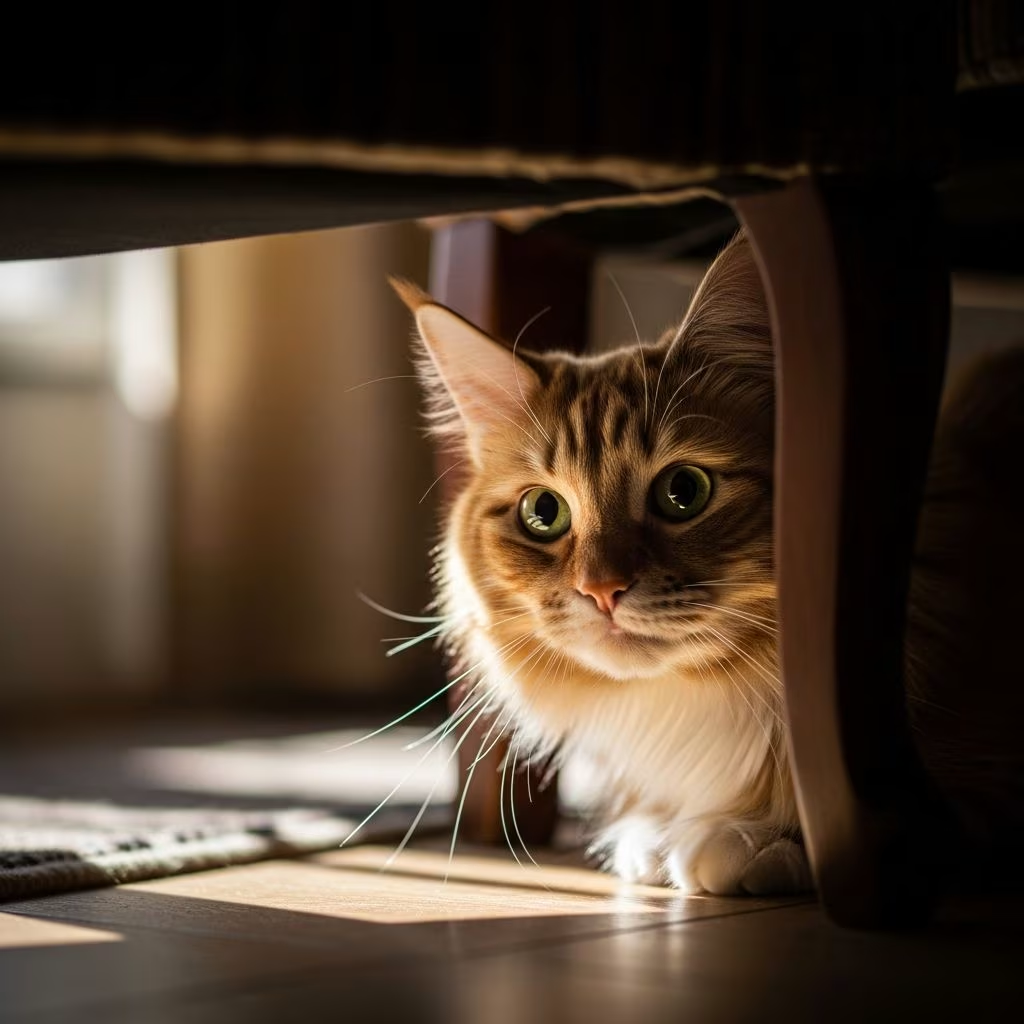
Cats are notorious for their love of hidden nooks, but sudden or excessive hiding can leave pet parents puzzled and concerned. If your usually social kitty has taken up residence under the bed or in the closet, it might be more than just a quirky nap spot. Hiding is an instinctual behavior rooted in their wild ancestry, where concealing weakness protected them from predators. Today, however, it often signals stress, illness, environmental shifts, or other issues. Understanding the reasons can help you address the problem promptly, ensuring your cat’s well-being.
In this comprehensive guide, we’ll explore the top seven reasons why cats hide suddenly, backed by veterinary insights. We’ll also cover common hiding spots, signs of serious problems, and practical steps to encourage your cat to emerge. Whether it’s a new stressor or a health concern, knowing what to look for empowers you to act.
Why Do Cats Hide? The Instinct Behind It
Cats hide for survival reasons. In the wild, injured or ill felines concealed themselves to avoid predators, a trait that persists in domestic cats. This makes detecting problems challenging—cats are masters at masking pain or discomfort. Normal hiding occurs during crepuscular (dawn/dusk) activity peaks or for rest, but sudden increases warrant attention.
Hiding provides security, allowing cats to observe surroundings safely from dark, enclosed spots. If your cat’s hiding lasts days, changes routine, or pairs with other symptoms, consult a vet.
7 Reasons Why Your Cat Is Hiding Suddenly
Here are the most common, vet-approved explanations for sudden cat hiding. Each includes signs to watch and action steps.
1. Stress and Environmental Changes
Cats thrive on routine. Even minor disruptions like rearranged furniture, construction noise, or schedule shifts can trigger hiding as they seek safety.
- Moving to a new home: Normal for days to weeks; provide familiar items like bedding.
- Loud noises: Thunder, fireworks, or vacuums send sensitive-eared cats into hiding.
- Routine changes: New work hours or family dynamics unsettle them.
What to do: Create a quiet retreat with blankets and toys. Use pheromone diffusers like Feliway to calm nerves. Allow time to adjust.
2. Illness or Pain
Cats expertly hide sickness, but sudden hiding often clues underlying issues like urinary tract infections (UTIs), dental pain, gastrointestinal problems, or arthritis. Instinct drives them to isolate when vulnerable.
- Subtle signs: Hunched posture, reduced grooming, litter box avoidance, appetite loss, or irritability.
- Common culprits: Kidney disease, diabetes (increased thirst), infections.
Red flag: Hiding plus symptoms like vomiting, straining, or weight loss—see a vet immediately. Early detection improves outcomes.
3. New Pets or People in the Household
Introducing dogs, other cats, or babies sparks territorial fear, leading to hiding. Shy cats especially withdraw during adjustments.
- Territorial disputes: Bullying by new pets causes prolonged hiding.
- Unfamiliar visitors: Guests or family changes prompt temporary retreats.
Tips for introductions:
- Gradual exposure: Scent swapping before visual contact.
- Separate safe spaces for your cat.
- Monitor for aggression; consult a behaviorist if needed.
4. Aging and Senior Cat Changes
Older cats (10+ years) hide more due to cognitive dysfunction, arthritis, or vulnerability. They may confuse easily or sleep excessively.
- Signs: Night vocalizing, disorientation, sleep pattern shifts.
Senior care: Vet check for arthritis meds, joint supplements, and routine bloodwork to catch issues like hyperthyroidism.
5. Fear from Loud Noises or Trauma
Cats’ acute hearing amplifies fireworks, storms, or slams. Rescue cats with past trauma hide at triggers.
Solutions: Soundproof hiding spots, calming treats, or vet-prescribed anti-anxiety aids. Desensitize gradually with low-volume recordings.
6. Litter Box Issues or Discomfort
Painful elimination from UTIs or constipation leads to box avoidance and hiding. Accidents signal urgency.
- Check: Cleanliness, location, litter type—cats prefer unscented, clumping.
Rule out medical causes with a vet visit.
7. Boredom or Need for Stimulation
Indoor cats may hide from understimulation, mimicking wild exploration.
Enrich: Puzzle feeders, cat trees, interactive play to boost confidence.
Where Do Cats Like to Hide?
Favorite spots mimic wild dens: dark, warm, enclosed.
- Under beds, couches, or stairs.
- Inside closets, boxes, or drawers.
- Behind appliances or laundry piles.
These allow front observation while protecting flanks—pure instinct.
Signs Your Hiding Cat Needs a Vet
Not all hiding requires alarm, but combine with these for prompt care:
| Behavior | Possible Issue |
|---|---|
| Hiding + No appetite >24 hours | Illness, pain |
| Hunched back, limping | Arthritis, injury |
| Over/under-grooming | Skin issues, stress, pain |
| Litter accidents, straining | UTI, constipation |
| Weight loss, thirst increase | Kidney disease, diabetes |
| Irritability, withdrawal | Pain, anxiety |
Track changes; if persistent >2-3 days, schedule a checkup.
How to Get Your Cat Out of Hiding Safely
- Don’t force it: Coax with treats, toys, or meals in sight of hiding spot.
- Use food motivation: Wet food or favorites work wonders.
- Play therapy: Feather wands or lasers engage instincts.
- Pheromones & calming aids: Feliway diffusers reduce stress.
- Environmental tweaks: More litter boxes, scratching posts, perches.
- Patience: Rushing increases fear.
Preventing Sudden Hiding in Cats
- Regular vet checkups, especially seniors.
- Maintain routine; introduce changes slowly.
- Enrich environment: Vertical spaces, toys, windows.
- Monitor health: Weigh monthly, note habits.
- Multi-cat harmony: Resources for all.
Frequently Asked Questions (FAQs)
Is it normal for cats to hide sometimes?
Yes, occasional hiding is normal, especially during rest or minor stress. Worry if sudden, prolonged, or with symptoms.
How long is too long for a cat to hide?
1-2 days for adjustments; beyond that, or with other signs, vet time.
Why is my new cat hiding all the time?
Adjustment stress; give space, familiar scents, and time (up to 2 weeks).
Can stress cause a cat to hide and not eat?
Yes, but pair with vet check to rule out illness.
What if my cat hides after vet visit?
Common stress response; monitor and soothe.
References
- Is Your Cat Hiding Pain? Subtle Signs You Shouldn’t Ignore — Gardens Animal Hospital. 2023. https://www.gardensanimalhospital.com/is-your-cat-hiding-pain-subtle-signs-you-shouldnt-ignore/
- September is Happy Cat Month – Signs Your Cat May Be Hiding Illness — Oliver Mobile Vet. 2024-09-01. https://www.olivermobilevet.com/post/september-is-happy-cat-month-signs-your-cat-may-be-hiding-illness
- Why Is My Cat Hiding? — PetMD. 2024. https://www.petmd.com/cat/behavior/why-is-my-cat-hiding
- My Cat Sometimes Hides. Should I Be Worried? — Cherished Companions Animal Clinic. 2023. https://ccanimalclinic.com/news/my-cat-sometimes-hides-should-i-be-worried
- When Is Your Cat Hiding Illness or Injury? — Texas A&M College of Veterinary Medicine & Biomedical Sciences. 2023-10-01. https://vetmed.tamu.edu/news/pet-talk/when-is-your-cat-hiding-illness-or-injury/
- Why Is My Cat Suddenly Hiding? 7 Vet-Approved Reasons to Know — Cat and Dog Clinic of Bellevue. 2025-07-01. https://www.catanddogclinicofbellevue.com/2025/07/01/why-is-my-cat-suddenly-hiding-7-vet-approved-reasons-to-know/



