

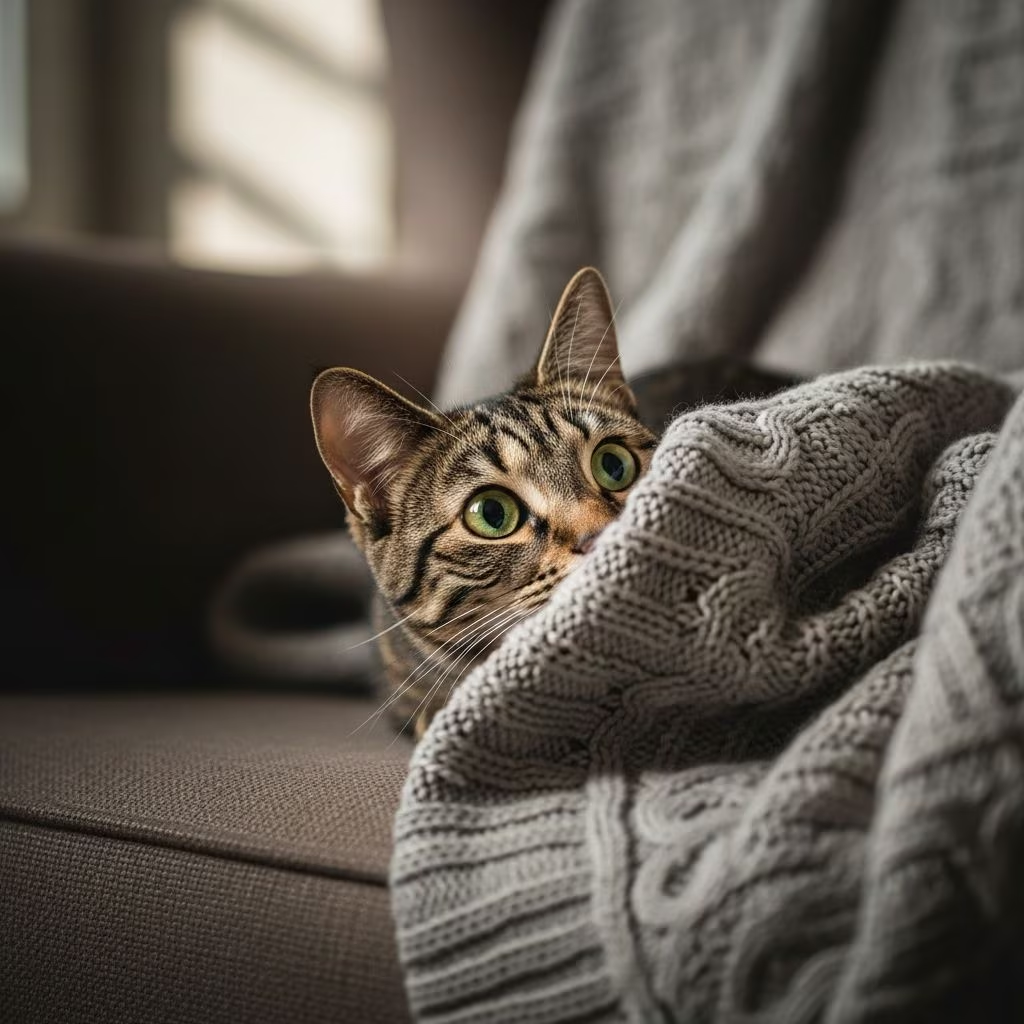
Why Is My Cat Hiding? Understanding Your Feline’s Behavior
If your cat has suddenly disappeared under the bed or taken refuge in a closet, you may be wondering what’s going on. Hiding is a common feline behavior, but understanding why your cat is hiding is essential for ensuring their health and happiness. While sometimes hiding is completely normal, it can occasionally signal that something is wrong. This comprehensive guide explores the various reasons why cats hide and helps you determine when it’s time to seek veterinary care.
Is It Normal for Cats to Hide?
Yes, hiding is a normal and natural behavior for cats. Cats are both predators and prey in the wild, which means they have evolved to hide for survival purposes. This instinctual behavior remains strong even in domesticated cats. Many cats include hiding as a regular, healthy part of their daily activities. Most cats have favorite hiding spots and may retreat to them regularly throughout the day, especially during times when they need rest or feel the need to observe their environment from a secure location.
However, if you notice a sudden change in your cat’s hiding behavior, it warrants attention. A cat that normally roams freely but suddenly spends most of the day hidden away may be experiencing stress, anxiety, or health issues that require investigation.
Natural Reasons Why Cats Hide
Instinctual Behavior
Hiding is deeply rooted in feline instinct. Cats are crepuscular animals, meaning they are most active during dawn and dusk. During midday and evening hours, cats naturally seek out secluded areas to rest and conserve energy. Additionally, hiding allows cats to maintain their hunting advantage by remaining concealed while waiting for prey, and it provides protection from potential predators. Even though domestic cats don’t face many wild predators, these ancient instincts remain encoded in their DNA.
Feeling Safe and Secure
Cats are drawn to hiding spots because they create a sense of security. Hiding makes cats feel like they’ve got their back covered, according to certified cat behavior consultants. Enclosed spaces provide cats with the security they need to feel protected from threats. When cats settle into their favorite hideaway, they’re not necessarily anxious—they may simply be enjoying the comfort of a safe space where they can relax without worry.
Environmental Comfort
Cats seek out specific hiding spots for environmental reasons. Many cats prefer dark, warm, and quiet locations. Hiding places provide warmth, quiet, safety, and even a good vantage point to keep watch over their surroundings. During colder months, you may notice your cat settling near the water heater or clothes dryer. These spots offer both warmth and a sense of security. The ability to observe their environment from a hidden vantage point also appeals to cats’ natural curiosity and surveillance instincts.
When Hiding Indicates a Problem
Stress and Anxiety
While some hiding is normal, excessive hiding accompanied by other signs may indicate stress or anxiety. Cats experience stress from various sources, including:
- Recent adoption or moving to a new home
- New family members (human or animal)
- Loss of a family member
- Changes in routine or environment
- Household renovations or rearrangement of furniture
- Introduction of unfamiliar visitors
When stressed, cats often hide to regain a sense of control over their environment. Changes can be stressful, even small ones like a new chair or as significant as a new family member. If your cat is hiding due to stress, watch for additional symptoms such as decreased appetite, increased vocalization, excessive grooming, or aggressive behavior.
Overstimulation
Cats can become overwhelmed by excessive stimulation in their environment. Loud sounds, children running around, household visitors, and anything else causing a commotion can be overwhelming for your cat. When stressed by overstimulation, cats seek quiet places to decompress and recover. If your household is particularly active or noisy, providing quiet hiding spots allows your cat to retreat when they need a break.
Fear and Loud Noises
Sudden loud noises or perceived threats trigger fear responses in cats, causing them to hide. Fireworks, thunderstorms, vacuum cleaners, and even doorbell sounds can startle sensitive cats. Cats have sensitive hearing, and loud, unexpected noises are particularly distressing. When frightened, cats typically remain hidden until they feel safe again. This hiding behavior is usually temporary and resolves once the threat passes.
Illness and Pain
One of the most serious reasons for sudden hiding is illness or pain. Cats are masters at hiding pain—literally. In nature, showing signs of weakness or illness makes cats vulnerable to predators, so they instinctively conceal their discomfort. This means that by the time you notice your cat is sick, they may already be significantly ill.
Health conditions that commonly cause hiding include:
- Urinary tract infections
- Upper respiratory infections
- Gastrointestinal discomfort
- Dental pain
- Joint discomfort and arthritis
- Cancer and other serious illnesses
- Hyperthyroidism
Hiding signs of sickness is an instinctive way for them to avoid attention from predators. Prolonged hiding without other explanations should always prompt a veterinary visit.
Physical Discomfort
It is very common for cats to retreat and hide when they are experiencing physical discomfort. As cats age, they may develop joint discomfort and arthritis, leading them to seek comfortable, secluded spots. Cats experiencing pain from any source will naturally seek isolation as a coping mechanism.
Common Hiding Spots and Safety Concerns
Different cats prefer different hiding places based on their personality and comfort preferences. Understanding where your cat likes to hide can provide insight into their behavior and help ensure their safety.
Safe Hiding Spots
- Closets: Dark, quiet, and scent-heavy with familiar clothing that smells like their owner. Some cats enjoy climbing to higher shelves to observe from above.
- Under beds: The space beneath beds is dark, quiet, and difficult to reach, making it ideal for anxious or overstimulated cats.
- Behind furniture: Couches, chairs, and other furniture provide dark, undisturbed spaces at ground level.
- Cardboard boxes: Cats love boxes for their enclosed nature and the sense of security they provide.
- Cat trees: Elevated spaces with enclosed hideaways allow cats to feel secure while maintaining visibility of their surroundings.
- Heated beds: Comfortable, warm spots that appeal to cats seeking both security and coziness.
Dangerous Hiding Spots to Avoid
Some hiding spots, like recliners or dryers, can be dangerous. Always check these locations before using them to prevent accidentally injuring your cat. Recliners with moving parts and washing machines or dryers pose serious hazards. Make sure your cat is not hidden in these areas before operating them.
Red Flags: When Hiding Indicates a Medical Emergency
While hiding itself isn’t inherently concerning, certain combinations of symptoms warrant immediate veterinary attention. Contact your veterinarian if you notice:
- Hiding combined with not eating: This is often a red flag indicating pain or serious illness.
- Hiding for extended periods with avoidance of the litter box
- Hunched posture or signs of pain when moving
- Excessive grooming of specific areas
- Lip licking or drooling
- Vomiting, diarrhea, or constipation
- Increased vocalization paired with hiding
- Sudden behavioral changes from your cat’s normal patterns
Hiding and not eating is often a red flag. Cats are masters at masking discomfort, so a loss of appetite plus hiding could mean your cat is in pain or sick. This combination should always trigger a veterinary consultation.
How to Help a Hiding Cat
Creating Safe Spaces
Give your cat safe alternatives like cat trees, cardboard boxes, or heated beds to help them feel secure without risking their safety. Providing multiple hiding options throughout your home allows your cat to choose spots that match their comfort level in different situations.
Reducing Stress
If stress or anxiety is causing your cat to hide excessively, try these strategies:
- Maintain consistent routines to reduce unpredictability
- Introduce changes gradually when possible
- Create a calm environment with soft lighting and quiet spaces
- Use feline pheromone products designed to reduce anxiety
- Consult your veterinarian for behavioral medication if necessary
Managing Noise and Overstimulation
For cats sensitive to loud noises, create a soundproof retreat with soft blankets and favorite toys. Keep this space easily accessible so your cat can escape to it when needed. Consider using background noise or white noise machines to mask startling sounds.
When to Consult Your Veterinarian
Any changes in your cat’s hiding behavior should be addressed with your veterinarian. If your cat is suddenly hiding when they normally don’t, or hiding more frequently than before, schedule an appointment. It’s best to take them to the vet to get checked over and rule out any illnesses. Your vet can perform a thorough health assessment and rule out medical causes before attributing the behavior to stress or anxiety.
Frequently Asked Questions (FAQs)
Q: Is it normal for my cat to hide all day?
A: While cats do spend time hiding, hiding all day represents a change from typical behavior and warrants investigation. If your cat is normally active and sociable, excessive hiding may indicate stress, illness, or pain. Consult your veterinarian to rule out health issues.
Q: Why is my cat hiding under my bed?
A: The space under your bed is dark, quiet, and hard to reach—ideal from a cat’s perspective. Cats hide under beds because this spot provides a sense of security. If it’s the only place they go and they’re avoiding food or interaction, it may signal an underlying issue requiring veterinary evaluation.
Q: Can stress cause my cat to hide?
A: Yes, stress is a common cause of excessive hiding. Changes in your home, new family members, loud noises, and routine disruptions can all cause stress-related hiding. If you’ve recently made changes to your household, allow your cat time to adjust and provide safe spaces for them to retreat.
Q: How long should I let my cat hide?
A: Allowing your cat to hide for short periods is fine and can help them feel secure. However, if your cat is hiding for extended periods and not eating or using the litter box normally, contact your veterinarian immediately.
Q: What should I do if my cat is hiding and not eating?
A: This is a serious combination that requires immediate veterinary attention. A loss of appetite coupled with hiding behavior strongly suggests your cat is sick or in pain. Contact your veterinarian right away rather than waiting to see if the behavior improves on its own.
Q: Can a new pet cause my cat to hide?
A: Yes, introducing a new pet to your household is a significant change that can cause stress and hiding behavior. Allow your existing cat time to adjust to the new pet’s presence. Give each pet their own space to help reduce territorial conflicts and stress.
Q: Are there ways to encourage my hiding cat to come out?
A: Rather than forcing your cat out of hiding, allow them to emerge on their own timeline. Respect their need for security and provide comfort by spending quiet time near their hiding spot. Using treats or gentle play can sometimes encourage them to venture out, but never force interaction.
References
- Why Cats Hide and When You Should Be Concerned — Elle Vet Sciences. https://www.ellevetsciences.com/cbd-for-cats/why-cats-hide-and-when-you-should-be-concerned/
- Why Is My Cat Hiding? Is This Normal? — Chewy Education. https://www.chewy.com/education/cat/training-and-behavior/why-is-my-cat-hiding
- Why Is My Cat Hiding? — PetMD. https://www.petmd.com/cat/behavior/why-is-my-cat-hiding
- Hiding Behavior in Cats — Feline Behavior Solutions. https://felinebehaviorsolutions.com/hiding-behavior-in-cats/
- Why Is My Cat Suddenly Hiding? 7 Vet-Approved Reasons to Know — Cat and Dog Clinic of Bellevue. https://www.catanddogclinicofbellevue.com/2025/07/01/why-is-my-cat-suddenly-hiding-7-vet-approved-reasons-to-know/
- Cats Hiding – Cat Behaviour Help & Advice — Cats Protection. https://www.cats.org.uk/help-and-advice/cat-behaviour/cats-hiding



