

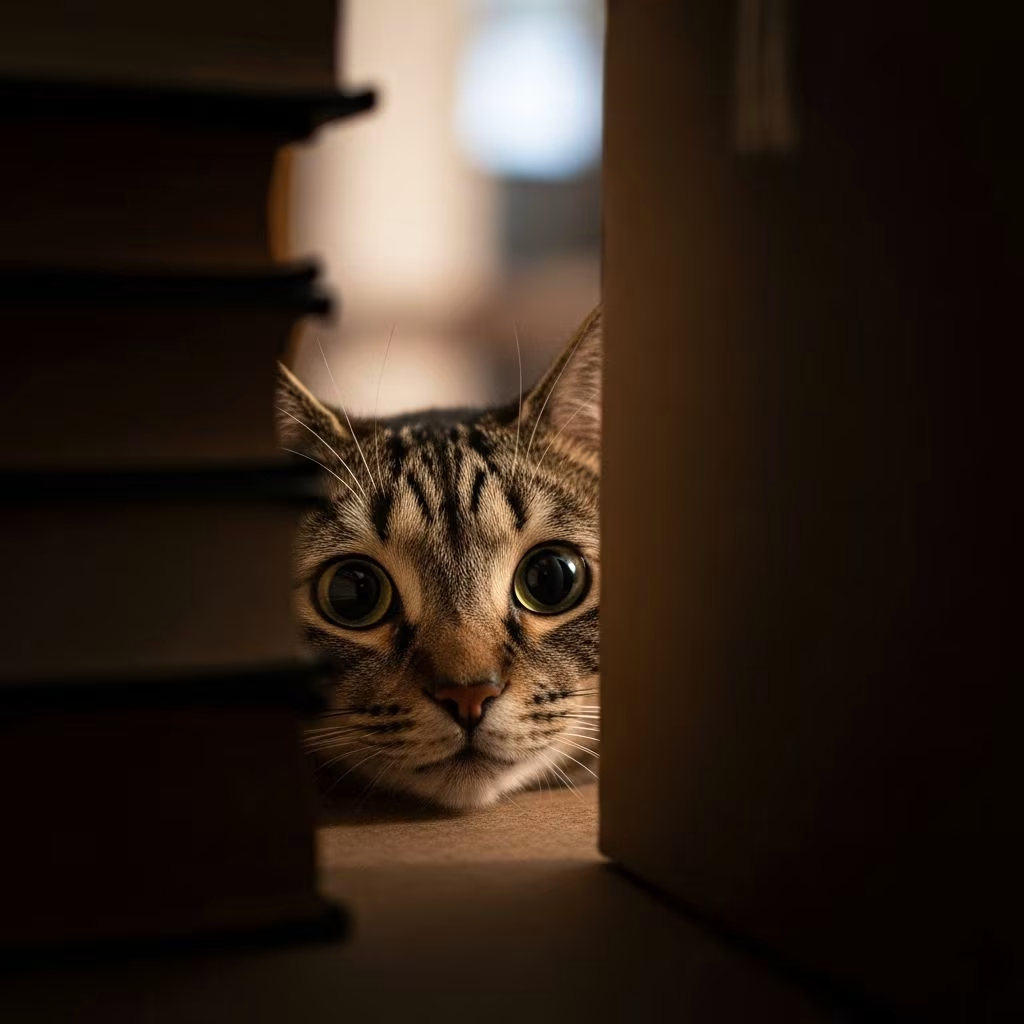
Cats are mysterious creatures, often seeking out cozy corners or unexpected nooks to retreat from the world. If you’re wondering why is my cat hiding, you’re not alone—this behavior is common and can stem from a variety of reasons. While hiding is frequently a normal part of feline life, sudden or excessive hiding might signal underlying issues like stress, illness, or environmental changes. Understanding the motivations behind your cat’s vanishing acts can help you provide a safer, more comfortable home and know when to seek veterinary advice.
In this comprehensive guide, we’ll explore the instinctual drives, health concerns, stress factors, favorite hiding spots, and practical steps to address your cat’s behavior. By the end, you’ll be equipped to differentiate benign hide-and-seek from potential red flags, ensuring your furry friend thrives.
Is It Normal for Cats to Hide?
Yes, hiding is a perfectly normal behavior for most cats. In the wild, cats are both predators and prey, so concealing themselves provides safety, ambush opportunities, and restful downtime. Domestic cats retain these instincts, often hiding during the day when they’re less active (crepuscular animals peak at dawn and dusk) or simply to recharge in a secure spot.
However, context matters. Occasional hiding in familiar spots is typical, but if your cat suddenly starts hiding more frequently, in unusual places, or alongside other symptoms like lethargy or appetite loss, it warrants closer attention. Veterinary experts emphasize monitoring for patterns: normal hiding resolves quickly, while problematic cases persist or intensify.
Reasons Why Cats Hide
Cats hide for multifaceted reasons, blending survival instincts with responses to their environment and health. Here’s a breakdown of the primary causes:
1. Instinctual Behavior
Hiding is hardwired into cats’ DNA. As solitary hunters, they hide to stalk prey undetected or evade larger threats. Even in safe homes, this translates to seeking elevated perches, enclosed spaces, or shadowy retreats for security and observation. Feline behavior consultant Marci Koski notes that cats feel empowered when they can watch without being seen, reducing perceived vulnerability.
- Predator-prey duality: Cats hide to hunt or hide from ‘predators’ like vacuums or strangers.
- Crepuscular patterns: Daytime napping in secluded spots conserves energy for evening activity.
- Seasonal shifts: Winter hiding near warm appliances like dryers for heat.
2. Stress or Anxiety
Environmental changes trigger stress hiding as cats seek control and solace. Common culprits include new pets, moves, visitors, rearranged furniture, or routine disruptions. Hiding restores their sense of safety amid chaos.
Signs of stress-hiding include:
- Decreased appetite or altered eating.
- Excessive meowing, hissing, or growling.
- Overgrooming leading to fur loss.
- Litter box avoidance or aggression.
Stress often resolves as the environment stabilizes, but prolonged cases may overlap with health issues.
3. Illness or Pain
Cats are masters at masking sickness to avoid appearing weak to predators—a survival tactic that complicates early detection. Sudden hiding, especially with other symptoms, often indicates pain or illness.
Dr. Gabrielle Fadl from Bond Vet explains that unwell cats retreat to isolated spots, avoiding usual haunts. Watch for:
- Not eating or drinking.
- Lip licking, hunching, or overgrooming.
- Vomiting, diarrhea, or litter box issues.
- Increased vocalization or touch aversion.
Common culprits: urinary infections, dental pain, arthritis, injuries, GI problems, or chronic conditions like kidney disease. Aging cats may hide due to cognitive decline, vision/hearing loss, or mobility pain. Any behavioral shift merits a vet visit.
4. Feeling Overwhelmed or Needing Space
Sometimes, cats hide simply because they’re overstimulated—too much petting, play, or household bustle. New adoptions or shy personalities amplify this, as hiding offers a low-pressure retreat.
Popular Hiding Spots for Cats
Cats gravitate to spots that are dark, enclosed, elevated, warm/cool, or scent-rich (like your clothes). These mimic wild dens, providing security.
Safe and Common Spots
- Cardboard boxes—cozy and novel.
- Closets—scented, climbable, quiet.
- Behind/under furniture (beds, couches)—low and undisturbed.
- Warm spots (near heaters), cool sinks, or behind curtains.
- Suitcases, drawers, plants, or porch undersides.
Dangerous Hiding Spots to Watch For
Not all spots are benign. Some pose serious risks:
| Spot | Risk | Prevention |
|---|---|---|
| Recliners/box springs | Crushing/trapping | Check before use; provide alternatives. |
| Washers/dryers | Locked inside, heat danger | Always inspect before running. |
| Car engines/wheels | Burns or injury when starting | Honking/banging hood before driving. |
| Cabinets/wardrobes | Trapped or falls | Secure doors; cat-proof latches. |
Offer safe alternatives like cat trees, tunnels, heated beds, or boxes to redirect instincts.
When to Worry About Cat Hiding
Trust your instincts: worry if hiding is:
- Sudden or excessive without obvious triggers.
- Paired with symptoms like appetite loss, vomiting, limping, or aggression.
- Persistent beyond 2-3 days.
- In odd locations or with protective postures.
For seniors, increased hiding may signal arthritis or cognitive issues. Prompt vet evaluation can catch issues early—cats hide pain well, delaying diagnosis.
What to Do If Your Cat Is Hiding
- Observe patterns: Note duration, spots, and symptoms without forcing interaction.
- Reduce stress: Maintain routines, use pheromone diffusers (Feliway), provide vertical space.
- Create safe zones: Boxes, perches, quiet rooms with essentials.
- Check for dangers: Inspect risky spots daily.
- Vet check: If concerned, schedule an exam—bloodwork or imaging may be needed.
Patience is key for new or shy cats; let them emerge on their terms.
How to Help a Hiding Cat
Environmental enrichment: Cat trees, window perches, toys, and scratching posts encourage confidence.
Positive reinforcement: Lure with treats/food near hiding spots; avoid punishment.
Health management: Address pain/illness promptly; pain meds or joint supplements for arthritis.
Professional help: Behaviorists for chronic anxiety.
Frequently Asked Questions (FAQs)
Why is my cat hiding and meowing?
Hiding with vocalization often signals stress, pain, or attention-seeking. Check for illness if persistent.
Why is my cat suddenly hiding under the bed?
Sudden changes point to stress (new smells/pets) or pain. Monitor and vet if no trigger.
Should I drag my cat out of hiding?
No—forcing increases stress. Coax gently with food or play.
How long is too long for a cat to hide?
Hours are normal; days with symptoms require a vet.
Do kittens hide more than adult cats?
Yes, due to exploration and shyness, but excessive hiding needs assessment.
References
- Why Is My Cat Hiding? Is This Normal? — Chewy. 2023. https://www.chewy.com/education/cat/training-and-behavior/why-is-my-cat-hiding
- Why Is My Cat Suddenly Hiding? Behavioral Red Flags — Pets Furst Urgent Care. 2023. https://petsfursturgentcare.com/blog/cat-suddenly-hiding/
- Why Is My Cat Hiding? — PetMD. 2023-10-15. https://www.petmd.com/cat/behavior/why-is-my-cat-hiding
- Hiding Behavior in Cats — Feline Behavior Solutions. 2022. https://felinebehaviorsolutions.com/hiding-behavior-in-cats/
- Cat Behavior 101: Is Cat Hiding Something to Worry About? — Heart and Paw. 2023. https://heartandpaw.com/pet-parent-resources/cat-hiding



