

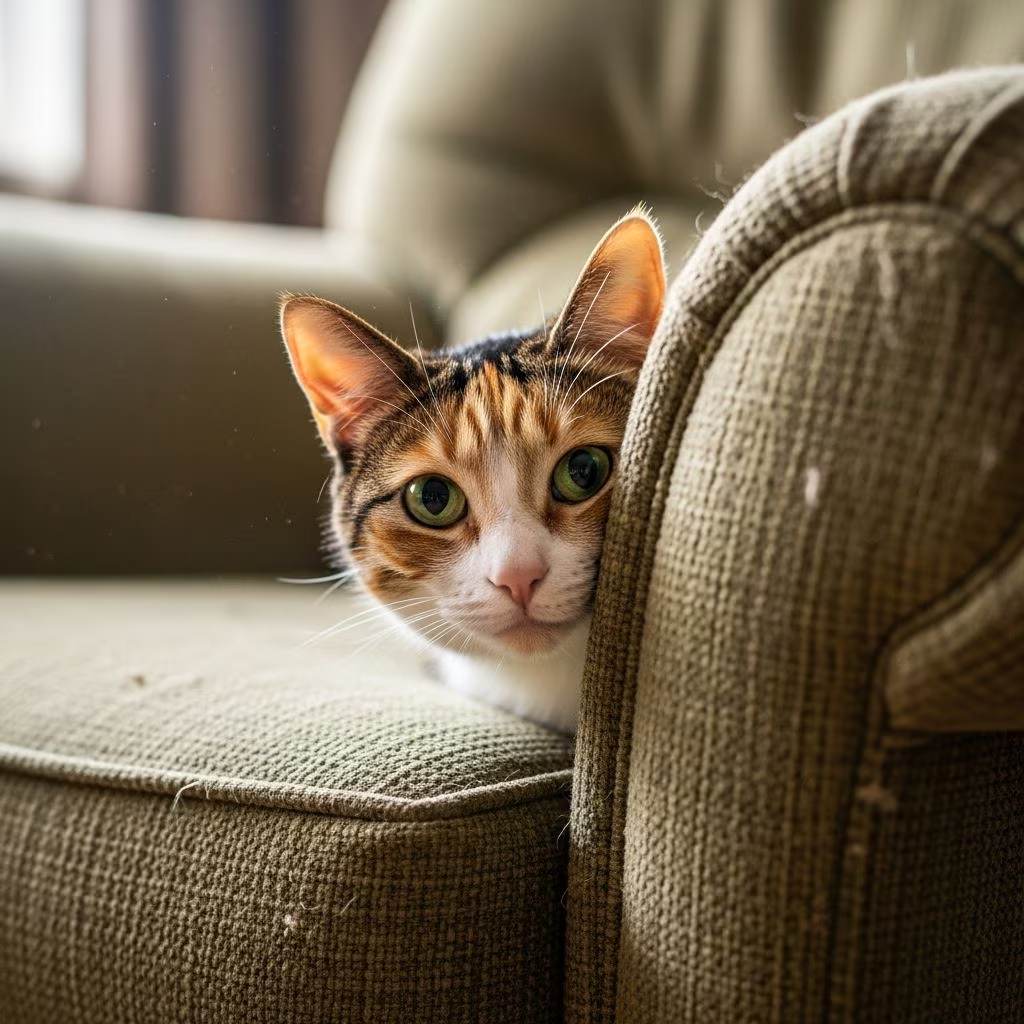
Why Is My Cat Hiding?
If you’ve noticed your cat spending more time tucked away in closets, under beds, or behind furniture, you might be wondering what’s going on. Hiding is a common feline behavior, but understanding the reasons behind it can help you determine whether your cat is simply enjoying their natural instincts or signaling that something requires your attention. While some hiding behavior is completely normal, sudden changes in how much your cat hides could indicate stress, anxiety, or health concerns that warrant a veterinary visit.
Natural Instincts and Hiding Behavior
Cats are inherently driven to hide due to their evolutionary history. In the wild, cats function as both predators and prey, which means hiding serves dual purposes in their survival toolkit. As predators, cats hide to conceal themselves while stalking potential prey items, allowing them to approach without detection. As prey animals, hiding protects them from larger predators and threats in their environment.
Beyond survival instincts, cats are crepuscular animals, meaning they are naturally more active during dawn and dusk hours. During daytime, when activity levels are lower, cats instinctively seek out secluded areas to rest and sleep. Since cats can sleep 12 to 16 hours per day, finding hidden, comfortable spots is essential to their daily routine. These natural behaviors mean that some degree of hiding is completely normal and healthy for all cats.
Stress and Anxiety as Hiding Triggers
When cats experience stress or anxiety, hiding becomes a coping mechanism that provides them a sense of control and security. Several situations can trigger stress responses in cats, leading to increased hiding behavior:
- Recent adoption or relocation to a new home
- Introduction of new family members, whether human or animal
- Loss of a family member or pet
- Changes in daily routines or household schedules
- Unfamiliar visitors or loud noises
- Bullying or conflict with other pets in the household
- Environmental changes such as home renovations or rearranged furniture
Recognizing stress-related hiding requires attention to accompanying symptoms. Beyond increased hiding, stressed cats often exhibit:
- Decreased appetite or changes in eating patterns
- Increased vocalization including meowing, hissing, or growling
- Excessive grooming or noticeable fur loss
- Litter box avoidance or inappropriate elimination
- Aggressive behavior when approached
If your cat is hiding due to stress or anxiety, providing a safe, quiet space with familiar items can help them feel more secure. Cat trees, cardboard boxes, and heated beds offer comfortable alternatives for hiding while allowing you to monitor their wellbeing more easily.
Illness and Pain: When Hiding Signals Health Issues
One of the most important reasons to monitor your cat’s hiding behavior is that it frequently indicates illness or pain. Cats are masters at masking discomfort, so hiding may be the first observable sign that something is physically wrong. When cats don’t feel well, they instinctively hide to protect themselves from perceived threats, just as they would in the wild when vulnerable.
Health conditions that commonly trigger hiding behavior include:
- Urinary tract infections
- Upper respiratory infections
- Dental disease
- Cancer
- Digestive issues
- Arthritis or joint pain
- Injuries or wounds
Beyond increased hiding, watch for these additional signs that your cat may be sick or in pain:
- Loss of appetite or refusal to eat
- Overgrooming or excessive licking of specific areas
- Avoidance of people and family members
- Excessive lip licking or drooling
- Hunched posture or reluctance to move
- Digestive problems including diarrhea or vomiting
- Increased vocalization or unusual sounds
- Inappropriate elimination outside the litter box
If your cat displays a sudden change in hiding behavior combined with any of these symptoms, contact your veterinarian promptly. The combination of hiding and loss of appetite is particularly concerning and should warrant an immediate veterinary evaluation.
Common Hiding Spots: Safe and Unsafe Locations
Cats have specific preferences when choosing where to hide. Most cats gravitate toward spots that are dark, warm, and sufficiently enclosed, as these locations provide security from attacks from behind and below while allowing visibility of approaching threats from the front and above. Understanding your cat’s favorite hiding spots helps you locate them quickly and identify potential hazards.
Safe and Common Hiding Spots
- Cardboard boxes
- Closets and wardrobes
- Behind, under, or inside furniture
- Warm locations near heat sources
- Behind curtains or drapes
- Inside sinks or bathtubs
- Behind or beneath the refrigerator
- Inside suitcases or bags
- Under porches or outdoor shelters
- Inside drawers (if left open)
- Among indoor or outdoor plants
- Inside laundry baskets
- Inside box springs
- Under blankets or bedding
Dangerous Hiding Spots to Avoid
While most hiding locations are harmless, certain spots pose serious safety risks to your cat:
| Dangerous Location | Associated Risk |
|---|---|
| Recliners and moving furniture | Cats can be crushed or trapped when someone reclines or moves the furniture |
| Washing machines and dryers | Warm spots are tempting, but cats can be accidentally trapped inside when the appliance is started |
| Car engines or wheels | Outdoor cats may hide for warmth or safety, but this is extremely dangerous if the vehicle is started |
| Drawers and cabinets | Cats can be accidentally locked inside, leading to injury or suffocation |
| Dressers | These can tip over if climbed, causing serious injury |
Always check dark, enclosed spaces like recliners, dryers, washers, and car engines before using them. Make it a habit to know where your cat is hiding to prevent accidents. If your cat frequently hides in dangerous locations, provide safe alternatives that offer similar qualities—darkness, warmth, and enclosure.
Seasonal and Environmental Patterns in Hiding
You may notice that your cat’s hiding behavior follows certain patterns throughout the year or at specific times of day. During winter months, cats often seek out warm locations near heat sources like water heaters, furnaces, or dryers. In households where noise levels increase at certain times—such as when family members return home from work or school—some cats, particularly shy or anxious individuals, may retreat to hiding spots.
Understanding these patterns helps you distinguish between normal, predictable hiding behavior and sudden changes that might indicate a problem. If your cat has always hidden during certain seasons or times of day and continues to eat, use the litter box normally, and appears healthy, there’s likely no cause for concern.
Age-Related Hiding Behavior
As cats age, their hiding behavior may increase. Senior cats may hide more frequently as they experience age-related changes, discomfort from arthritis or other conditions, or as they instinctively prepare for the end of life. If your older cat has started hiding more than usual, it’s important to consult with your veterinarian to rule out underlying health issues and discuss ways to keep them comfortable during their senior years.
Creating Safe Hiding Spaces for Your Cat
If you’re concerned about where your cat is hiding, you can provide safe, appropriate alternatives that satisfy their natural instincts without putting them at risk:
- Cat trees and perches: Elevated hiding spots that allow cats to observe their surroundings while staying hidden
- Cardboard boxes: Inexpensive options that cats love; try placing them in quiet corners or closets
- Enclosed cat beds: Specially designed beds that provide darkness and security
- Heated beds: Particularly appealing in winter and for senior cats seeking warmth
- Tunnels and tents: Fabric structures that create enclosed spaces for hiding and play
- Closet shelves: If accessible, higher shelves in closets allow cats to hide while observing the household
Placing these items in quiet areas away from the main living spaces gives your cat control over their environment while keeping them visible and accessible to you.
When to Contact Your Veterinarian
While hiding is normal feline behavior, certain situations warrant immediate veterinary attention. Contact your vet if:
- Your cat suddenly starts hiding more than usual
- Hiding is accompanied by loss of appetite
- Your cat avoids interaction and seems withdrawn
- You notice changes in litter box habits
- Your cat displays signs of pain or discomfort
- Hiding is accompanied by vomiting, diarrhea, or other digestive issues
- Your senior cat’s hiding behavior significantly increases
Any changes in your cat’s hiding behavior should be addressed with your veterinarian, as they can rule out medical issues and provide recommendations for managing stress or anxiety if needed.
Frequently Asked Questions
Q: Is it normal for cats to hide?
A: Yes, hiding is completely normal cat behavior. Cats hide to rest, hunt prey, protect themselves from perceived threats, and satisfy their natural instincts as both predators and prey. However, sudden increases in hiding may indicate stress or health issues.
Q: Why is my cat hiding under the bed?
A: Beds provide dark, quiet, secure spaces that make cats feel safe. The area under a bed is particularly appealing because it’s enclosed, difficult to reach, and offers protection. If your cat only hides under the bed and avoids food or interaction, consult your veterinarian.
Q: How do I know if my cat is hiding because of illness?
A: Look for accompanying symptoms like loss of appetite, overgrooming, avoidance of the litter box, digestive problems, hunched posture, or increased vocalization. The combination of hiding and not eating is particularly concerning and warrants immediate veterinary attention.
Q: Can I force my cat to come out of hiding?
A: It’s generally not recommended to force your cat out of hiding, as this can increase stress and anxiety. Instead, provide safe hiding spots and allow your cat to emerge on their own. If hiding is related to health issues, your veterinarian can help address the underlying cause.
Q: What should I do if my cat hides in a dangerous spot?
A: Always check dangerous locations like recliners, dryers, washers, and car engines before using them. Provide safe alternatives like cardboard boxes, cat trees, and enclosed beds to discourage hiding in hazardous areas.
Q: Why do cats hide when they’re dying?
A: Cats instinctively hide when they’re sick or near the end of life as a survival mechanism. In the wild, this protects them from predators when they’re vulnerable. If your aging cat suddenly hides more than usual, discuss comfort care options with your veterinarian.
References
- Why Is My Cat Hiding? Is This Normal? — Chewy. 2024. https://www.chewy.com/education/cat/training-and-behavior/why-is-my-cat-hiding
- Why Is My Cat Hiding? — PetMD. 2024. https://www.petmd.com/cat/behavior/why-is-my-cat-hiding
- Hiding Behavior in Cats — Feline Behavior Solutions. 2024. https://felinebehaviorsolutions.com/hiding-behavior-in-cats/
- Cat Behavior 101: Is Cat Hiding Something to Worry About? — Heart and Paw. 2024. https://heartandpaw.com/pet-parent-resources/cat-hiding
- Cats Hiding – Cat Behaviour Help & Advice — Cats Protection. 2024. https://www.cats.org.uk/help-and-advice/cat-behaviour/cats-hiding



