

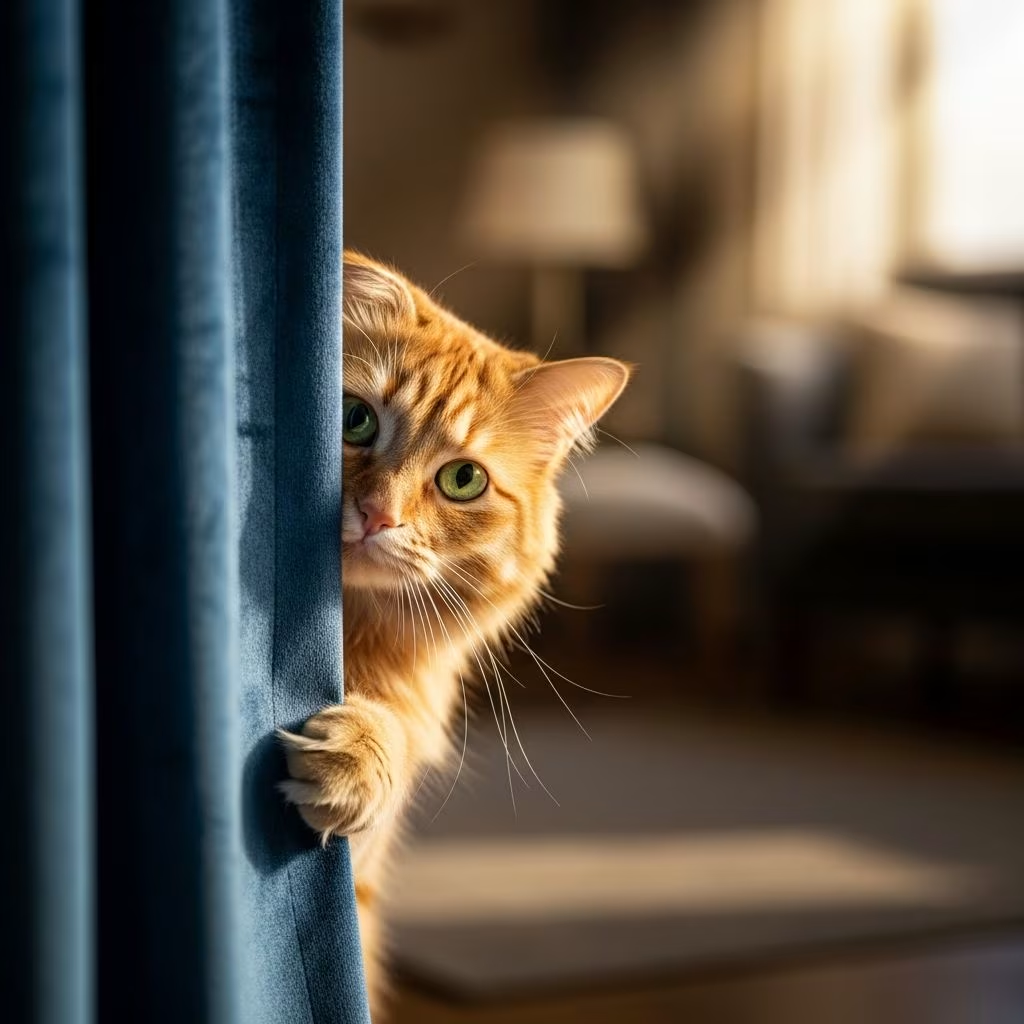
Cats are mysterious creatures, often retreating to hidden corners for reasons that aren’t immediately obvious to their human companions. Hiding is a common behaviour in felines, rooted in their evolutionary instincts as both predators and prey. While occasional hiding is perfectly normal, sudden or excessive hiding can signal underlying issues like stress, anxiety, or health problems. Understanding the reasons behind your cat’s hiding can help you provide a safer, more comfortable environment and determine when professional veterinary advice is needed.
In this comprehensive guide, we’ll explore the various causes of cat hiding, popular hiding spots, potential dangers, and practical tips to encourage your cat to emerge. Whether your cat is a new adoption adjusting to a home or a longtime resident reacting to changes, this article equips you with the knowledge to support their well-being.
Is Hiding Normal Cat Behaviour?
Yes, hiding is a normal and instinctive behaviour for cats. In the wild, cats hide to ambush prey, rest safely during the day, or evade predators. Domestic cats retain these traits, using hiding as a way to feel secure, observe their surroundings, or simply unwind. Certified feline behaviour experts note that cats are crepuscular, meaning they are most active at dawn and dusk, and often seek secluded spots to sleep during brighter hours.
Regular hiding in familiar, safe spots indicates your cat feels content. However, if hiding becomes more frequent, prolonged, or paired with other changes like reduced eating or litter box avoidance, it warrants closer attention. Cats Protection emphasises that while hiding is typical, increased frequency may point to stress or illness.
Reasons Why Cats Hide
Cats hide for a variety of reasons, ranging from benign instincts to serious health concerns. Here’s a breakdown of the most common causes:
Instinctual Behaviour
As predators and prey animals, cats instinctively hide to stalk prey or avoid threats. This behaviour persists in homes, where cats might hide to pounce on toys or nap undisturbed. Marci Koski from Feline Behavior Solutions explains that hiding provides a sense of safety and control, allowing cats to monitor their environment from a secure vantage point.
Illness or Pain
Cats are masters at concealing illness to avoid appearing weak to predators. Sudden hiding, especially with symptoms like lethargy, appetite loss, vomiting, diarrhoea, overgrooming, hunching, lip licking, or litter box issues, often signals health problems. Veterinarians like Gabrielle Fadl from Bond Vet recommend immediate vet checks for new hiding patterns, as conditions such as urinary tract infections, dental disease, or gastrointestinal issues can cause withdrawal. PetMD stresses that any behaviour change merits veterinary evaluation.
- Not eating or drinking
- Excessive grooming or fur loss
- Avoiding interaction or touch
- Vocalisation changes (more meowing, hissing)
- Posture changes like hunching
- Litter box avoidance or accidents
Stress or Anxiety
Environmental changes trigger stress responses, prompting cats to hide for security. Common stressors include new pets, babies, moves, rearranged furniture, visitors, or routine shifts. ElleVet Sciences notes that even minor changes like a new chair can unsettle cats, leading to temporary hiding until they adapt. Other stress signs mirror illness symptoms but resolve with time or intervention.
Fear or Overstimulation
Loud noises (fireworks, vacuums, thunderstorms), unfamiliar people, dogs, or rough play can overwhelm cats, driving them to hide. This fear response is short-term, with cats emerging once the threat passes. Rescue cats may hide more due to past traumas.
Discomfort or Age-Related Issues
Older cats or those with joint pain, arthritis, or discomfort may hide to avoid movement or interaction. Physical unease mimics illness instincts, making concealment a protective strategy.
New Environments or Adoptions
Newly adopted cats often hide extensively while acclimating. Patience is key; provide safe spaces and let them emerge on their terms.
Popular Hiding Spots for Cats
Cats seek enclosed, dark, warm, elevated, or scent-familiar spots that mimic dens. These provide security from behind and below while allowing forward observation. Common indoor spots include:
- Cardboard boxes
- Closets (scent-rich with clothes)
- Behind or under beds, couches, chairs
- Warm appliances like water heaters or dryers
- Behind curtains or in sinks
- Drawers, suitcases, laundry baskets
- Under plants or porch
Outdoor spots: car wheels/engines (dangerous), boxes, or sheds. Closets appeal due to familiar smells and climbable shelves; furniture offers low, undisturbed cover.
Dangerous Hiding Places to Watch For
Not all spots are safe. Cats attracted to warmth or enclosure risk injury:
| Hiding Spot | Risk | Prevention |
|---|---|---|
| Recliners, box springs | Crushing when reclined or lifted | Check before use; discourage access |
| Washers, dryers, cabinets | Trapped inside and injured | Always check before running; secure doors |
| Car engines/wheels | Burns, crushing when started | Inspect vehicles before driving; bang hood |
| Dressers, wardrobes | Trapped, suffocation | Keep closed; provide alternatives |
Chewy warns of these hazards, urging safe alternatives.
How to Get a Hiding Cat to Come Out
Never force a cat out; this heightens stress. Instead:
- Provide safe alternatives: Cardboard boxes, cat trees, tunnels, heated beds, window perches.
- Use enticements: Favourite foods, treats, toys, catnip in safe spots.
- Create calm: Reduce noise, use pheromone diffusers (Feliway), play soft music.
- Slow introductions: For changes like new pets, use scent swapping and gradual exposure.
- Enrichment: Puzzle feeders, scratching posts, vertical space to reduce anxiety.
- Monitor & vet: Track behaviour; consult vet if persists with symptoms.
For stressed cats, consistency restores security. Feline Behavior Solutions advocates patience and environmental tweaks.
When to Worry: Signs to See a Vet
Contact a vet if hiding is:
- Sudden or increased.
- Prolonged (days without emerging).
- Accompanied by symptoms like appetite loss, vomiting, lethargy, aggression, or litter issues.
CC Animal Clinic notes hiding can indicate dental disease, cancer, or infections. Early intervention prevents worsening.
Frequently Asked Questions (FAQs)
Is it normal for my cat to hide all the time?
Occasional hiding is normal, but constant hiding suggests stress, illness, or fear. Monitor for other changes and consult a vet if concerned.
Why is my new cat hiding so much?
New cats hide to adjust. Give time (weeks), safe spaces, and gentle enticements.
My cat hides in dangerous spots—what should I do?
Block access, offer alternatives like boxes or beds. Check appliances/vehicles habitually.
Can stress cause hiding, and how do I fix it?
Yes; identify triggers (changes, noises), enrich environment, use pheromones.
When should I take a hiding cat to the vet?
If sudden, with symptoms like not eating, vomiting, or behaviour shifts.
References
- Why Is My Cat Hiding? Is This Normal? — Chewy. 2023. https://www.chewy.com/education/cat/training-and-behavior/why-is-my-cat-hiding
- Why Cats Hide and When You Should Be Concerned — ElleVet Sciences. 2023. https://www.ellevetsciences.com/cbd-for-cats/why-cats-hide-and-when-you-should-be-concerned/
- Why Is My Cat Hiding? — PetMD. 2024-01-14. https://www.petmd.com/cat/behavior/why-is-my-cat-hiding
- Hiding Behavior in Cats — Feline Behavior Solutions. 2023. https://felinebehaviorsolutions.com/hiding-behavior-in-cats/
- Why Is My Cat Suddenly Hiding? 7 Vet-Approved Reasons — Cat and Dog Clinic of Bellevue. 2025-07-01. https://www.catanddogclinicofbellevue.com/2025/07/01/why-is-my-cat-suddenly-hiding-7-vet-approved-reasons-to-know/
- Cats Hiding — Cats Protection. 2023. https://www.cats.org.uk/help-and-advice/cat-behaviour/cats-hiding
- My Cat Sometimes Hides. Should I Be Worried? — CC Animal Clinic. 2023. https://ccanimalclinic.com/news/my-cat-sometimes-hides-should-i-be-worried



