

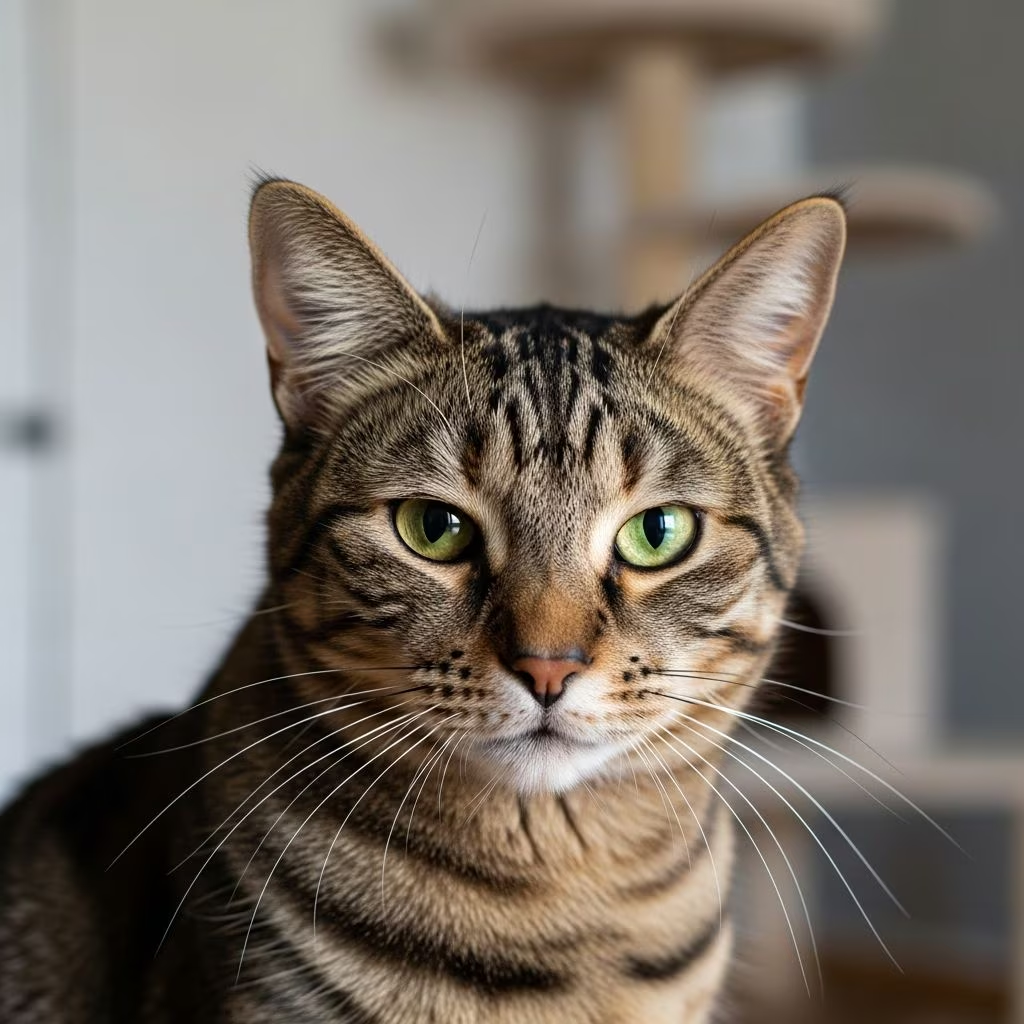
A fractious cat displays irritability, agitation, or aggression, often during vet visits or new situations. Understanding this behavior helps owners provide better care and reduce stress for their feline companions.
What Is a Fractious Cat?
A **fractious cat** refers to one that becomes easily irritated, agitated, or aggressive, particularly in unfamiliar or stressful environments like veterinary clinics. This term, commonly used in veterinary medicine, describes cats showing defensive responses rather than inherent ‘bad’ temperament. Veterinary behaviorists note that such reactions stem from fear, pain, or anxiety rather than malice. Unlike playful swatting, fractious behavior escalates to hissing, scratching, or biting, signaling a need for intervention.
Recognizing a fractious cat early prevents injury to humans and the cat itself. These behaviors are adaptive survival mechanisms in wild felines but problematic in domestic settings. According to the American Association of Feline Practitioners (AAFP), many cats mask distress subtly, making owner awareness crucial.
Signs of a Fractious Cat
Fractious cats exhibit clear physical and behavioral cues, especially at the vet. Initial signs include:
- Dilated pupils: Indicates heightened arousal or fear, as the cat’s eyes widen to take in more information.
- Panting or increased respiratory rate: Cats rarely pant unless severely stressed, signaling panic.
- Attempts to escape: Bolting from carriers or laps shows desperation to flee perceived threats.
- Hair standing on end (piloerection): Puffed fur makes the cat appear larger to deter attackers.
- Vocalization: Hissing, growling, or yowling communicates ‘back off.’
- Scratching or biting: Last-resort defenses when escape fails.
If these signs appear, consult a vet promptly. Online services like tele-vet platforms allow initial assessments without travel stress. Pain scales from AAFP highlight that subtle signs like ear flattening or muzzle widening often precede overt aggression in pained cats.
What Are the Reasons for Fractious Behavior in Cats?
Several factors contribute to fractiousness. Common reasons include medical pain, fear of the unknown, and developmental issues. Addressing root causes improves outcomes.
Pain or Medical Issues
Underlying health problems like arthritis, dental disease, or injuries cause defensiveness. Cats hide pain well, but fractious reactions emerge when touched near sore areas. Chronic conditions affect up to 90% of senior cats, per veterinary studies.
Fear and Anxiety
Unfamiliar stimuli trigger fight-or-flight. Territorial cats view strangers or new smells as threats.
Lack of Social Skills
Kittens not socialized between 2-7 weeks struggle with novelty. Poorly socialized cats fear strangers, adapt poorly to change, and show heightened apprehension. Early handling with littermates and humans builds confidence.
Behavioral Issues
Underlying disorders like redirected aggression or compulsive behaviors amplify fractiousness. These warrant professional evaluation to prevent escalation.
Other Factors
Frustration from unmet needs (e.g., play, food) or past trauma contributes. Genetic predispositions in certain breeds heighten reactivity.
Why Are Cats So Fractious at Vet Visits?
Vet clinics overwhelm cats with stressors. Unfamiliar territory bombards senses: sterile smells, barking dogs, bright lights. Territorial instincts make clinics ‘enemy ground.’
Transportation adds nausea or motion sickness. Multiple handlers increase fear. AAFP guidelines stress low-stress handling: fewer people (ideally one), direct exam room transport, and starting with non-invasive checks like auscultation. Past negative experiences condition future dread, even if home behavior is calm.
“Fractious” labels overlook fear; it’s often ‘freaked out’ panic. Sedation or rescheduling prevents trauma cycles.
How to Manage a Fractious Cat
Effective management combines identification, medical checks, and behavioral strategies. Patience yields calmer cats.
1. Identify Potential Triggers
Observe patterns: Does petting the belly provoke swipes? Avoid or desensitize triggers gradually with positive reinforcement.
2. Speak to Your Vet
Rule out health issues first. Exams may reveal hyperthyroidism or abscesses mimicking behavioral problems.
3. Keep Calm
Your anxiety transfers via pheromones. Stay gentle; raised voices worsen stress.
4. Make Sure Your Cat Has a Safe Space
Provide carriers as retreats, elevated perches, or covered beds. In clinics, keep cats in carriers until ready.
5. Consult an Animal Behaviorist
For persistent cases, certified experts use force-free methods. Vets refer appropriately.
Advanced tips: Pre-visit anxiolytics, towel wraps (if tolerated), or scruffing in emergencies for quick procedures—but only by pros, as it stresses some cats.
Tips for Dealing with Fractious Cats Before a Vet Visit
Preparation minimizes stress:
- Provide full history: Detail symptoms, pain suspicions, e.g., limping paw.
- Share past experiences: Note vet-specific triggers for tailored handling.
- Use familiar carriers: Line with worn bedding for scents.
- Short trips first: Acclimate to car rides.
- Timing: Schedule quiet appointments; fast briefly if needed.
- Sedation prep: Administer vet-prescribed meds at home.
Combine preventive care under sedation for efficiency.
Frequently Asked Questions (FAQs)
Is scruffing safe for fractious cats?
Scruffing provides brief restraint for procedures but avoid routinely; it stresses adults. Use judiciously by experienced handlers.
Can fractious behavior indicate pain?
Yes, subtle pain signs precede aggression. Vets assess via scales.
How to socialize a fractious kitten?
Expose gently to people, sounds 2-7 weeks; use treats.
When to use sedation at vets?
For aggressive cases risking injury; prefer premed at home.
Do all cats outgrow fractiousness?
No, but training and management help most.
Conclusion
Fractious behavior signals distress, not defiance. Vets rule out disease, while owners foster security. Proactive steps ensure healthier, happier cats receiving timely care.
References
- Why Are Some Cats So Fractious During Vet Visits? Our Vet Explains — Catster. 2024. https://www.catster.com/ask-the-vet/why-is-my-cat-fractious/
- AAFP Proceedings: Low-Stress Handling of Cats — American Association of Feline Practitioners. 2024-01. https://catvets.com/wp-content/uploads/2024/01/ProceedingsBookWeb10.24.19.pdf
- Think that cat is fractious? Try freaked out — dvm360. N/A. https://www.dvm360.com/view/think-cat-fractious-try-freaked-out
- Sometimes I Scruff: Thoughts On a Controversial But Practical Technique — Catster. N/A. https://www.catster.com/felines-weekly/sometimes-i-scruff/
- Fractious cats and feline aggression — Bonnie V. Beaver, Journal of Feline Medicine & Surgery. 2004. https://journals.sagepub.com/doi/10.1016/j.jfms.2003.09.011



