

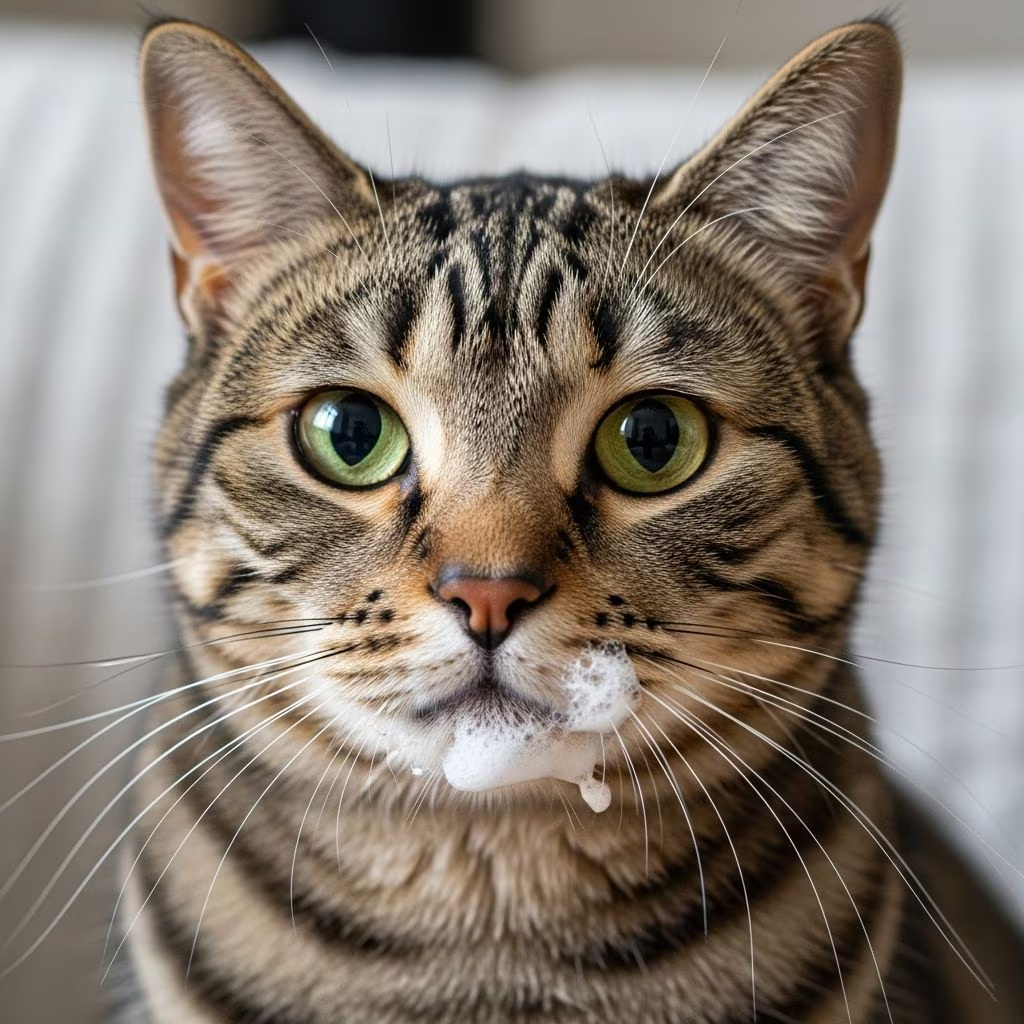
Seeing your cat foam at the mouth can be alarming for any pet owner. This symptom, often accompanied by excessive drooling, may indicate anything from mild irritation to a life-threatening emergency. Understanding the potential causes helps you act quickly to protect your feline companion. Common triggers include dental problems, toxin exposure, nausea, neurological issues like seizures, and underlying illnesses. In this comprehensive guide, we’ll break down the five primary reasons, associated symptoms, diagnosis, treatment options, and prevention strategies. Always consult a veterinarian promptly if foaming persists or worsens, as early intervention can be lifesaving.
The 5 Reasons Why Your Cat Is Foaming at the Mouth
Foaming at the mouth occurs when saliva mixes with air, often due to hypersalivation (excessive drool production) or difficulty swallowing. Cats produce saliva to aid digestion and oral health, but overproduction signals distress. Here are the most common causes, ranked by frequency based on veterinary insights.
1. Periodontal (Dental) Disease
**Periodontal disease** is one of the leading causes of foaming in cats, affecting up to 70% of cats over age three. Gingivitis, plaque buildup, tooth decay, and stomatitis cause pain and inflammation, leading to excessive drooling that foams, especially during panting.
Symptoms include:
- Bad breath (halitosis)
- Red, swollen gums
- Visible tartar or plaque on teeth
- Difficulty eating or chewing
- Pawing at the mouth
- Weight loss from avoiding food
If untreated, it progresses to abscesses, tooth loss, and systemic infections. Diagnosis involves a vet exam, possibly under anesthesia for dental X-rays. Treatment includes professional cleaning, antibiotics, pain relief, and extractions if needed. Prevention: Daily tooth brushing with cat-safe toothpaste, dental treats, and annual vet checkups.
2. Ingestion of a Toxin
Toxins are a sudden and severe cause of foaming, as cats’ curious nature leads them to chew plants, lick cleaners, or ingest human meds. Foul tastes trigger hypersalivation, mixing with air to foam. Common culprits: lilies, antifreeze, rodenticides, xylitol, and household plants like aloe.
Accompanying symptoms:
- Sudden drooling and foaming
- Vomiting or diarrhea
- Panting or rapid breathing
- Increased heart rate and thirst
- Lethargy, weakness, or seizures
- Trouble walking or hiding
This is an **emergency**—call a vet or poison hotline (e.g., ASPCA at 888-426-4435) immediately. Do not induce vomiting unless instructed. Treatment may involve activated charcoal, IV fluids, and antidotes. Prevention: Secure chemicals, identify toxic plants, and store meds out of reach.
3. Nausea and Vomiting
Nausea prompts excessive saliva production as a protective response, leading to foaming. Causes include hairballs, dietary indiscretion, motion sickness, or GI upset. White, foamy vomit often signals empty stomach bile reflux.
Watch for:
- Repeated vomiting (2-3 times)
- Diarrhea or appetite loss
- Lethargy or lip-licking
- Abdominal pain (hunched posture)
Vets diagnose via history, exam, and tests like bloodwork. Treatment: Anti-nausea meds (e.g., Cerenia), fluids, and bland diet. If persistent, rule out obstructions. Prevent with regular deworming and portion-controlled feeding.
4. Seizures or Neurological Issues
During seizures, involuntary muscle contractions cause foaming as saliva pools and mixes with air from open-mouth breathing. Epilepsy, head trauma, or toxins can trigger this. It’s less common but urgent.
Signs include:
- Convulsions or stiffening
- Loss of consciousness
- Urination/defecation during episode
- Post-seizure confusion
Video the episode for the vet. Treatment: Anti-convulsants like phenobarbital. Diagnosis uses EEG or MRI. Keep cats safe during seizures by clearing space.
5. Viral Infections and Other Illnesses
Serious conditions like upper respiratory infections (URI), kidney disease, liver failure, or rabies cause drooling due to pain, nausea, or swallowing issues. Rabies, though rare in vaccinated cats, is fatal and zoonotic—foaming with aggression signals it.
| Illness | Symptoms Beyond Foaming | Treatment |
|---|---|---|
| URI (e.g., calicivirus) | Sneezing, fever, ulcers | Antibiotics, supportive care |
| Kidney Disease | Thirst, weight loss, urine changes | Diet, fluids, meds |
| Rabies | Aggression, paralysis | Vaccine prevention; euthanasia if confirmed |
Diagnosis requires blood tests, imaging. Vaccinate against rabies and core viruses.
Other Potential Causes of Foaming at the Mouth in Cats
Beyond the top five, consider:
- Anxiety/Stress: Rapid breathing aerates saliva during car rides or vet visits.
- Medication Reaction: Bitter oral meds cause temporary foaming—normal unless prolonged.
- Foreign Objects/Trauma: Stuck items or injuries impair swallowing.
- Metabolic Disorders: Liver/kidney failure leads to uremia-induced salivation.
When to See a Vet: Is Foaming an Emergency?
Seek immediate care if foaming is sudden, with vomiting, seizures, lethargy, or behavior changes. Routine visit for chronic drool with dental signs. Delaying risks progression—e.g., toxins act fast.
Emergency red flags:
- Swelling, breathing difficulty
- Multiple vomits
- Uncoordinated movement
- Suspected toxin exposure
How Do Vets Diagnose Foaming at the Mouth?
Steps include:
- History: Onset, diet, environment
- Physical exam: Oral inspection
- Diagnostics: Bloodwork, X-rays, ultrasound
- Sedation for thorough oral eval
Treatment targets the cause—e.g., dental cleaning, deworming.
Treatment and Home Care for Foaming Cats
Home care: Offer water, monitor symptoms, avoid forcing food. Vet treatments vary by cause but prioritize stabilization.
How to Prevent Foaming at the Mouth in Cats
Proactive steps:
- Annual dental checkups and cleanings
- Toxin-proof home (ASPCA toxic list)
- Core vaccinations, including rabies
- Balanced diet, parasite control
- Stress reduction (pheromone diffusers)
Frequently Asked Questions (FAQs)
Q: Why is my cat foaming at the mouth after medicine?
A: Bitter taste causes temporary hypersalivation. Monitor; contact vet if it lasts over 30 minutes or worsens.
Q: Does foaming mean my cat has rabies?
A: Rare in vaccinated cats, but possible. Look for aggression, paralysis. Isolate and call vet immediately.
Q: Can stress cause foaming in cats?
A: Yes, anxiety aerates saliva during panting. Calming aids help.
Q: Is cat foaming at the mouth from dental issues serious?
A: Yes, untreated leads to infections. Schedule dental eval.
Q: What if my cat is foaming and vomiting?
A: Emergency—could be toxin or obstruction. Vet ASAP.
References
- Drooling or Foaming at the Mouth in Cats and Dogs — Dr. Barchas. Accessed 2026. https://drbarchas.com/drooling-or-foaming-at-the-mouth-in-cats-and-dogs/
- Why is My Cat Foaming at the Mouth? 5 Vet Reviewed Reasons — Catster. Accessed 2026. https://www.catster.com/cat-health-care/why-is-my-cat-foaming-at-the-mouth/
- Why Is My Cat Foaming at the Mouth? — Petcube. Accessed 2026. https://petcube.com/blog/cat-foaming-at-the-mouth/
- Cat Drooling: Is It a Veterinary Emergency? — GSVS. Accessed 2026. https://gsvs.org/blog/cat-drooling-emergency/



