

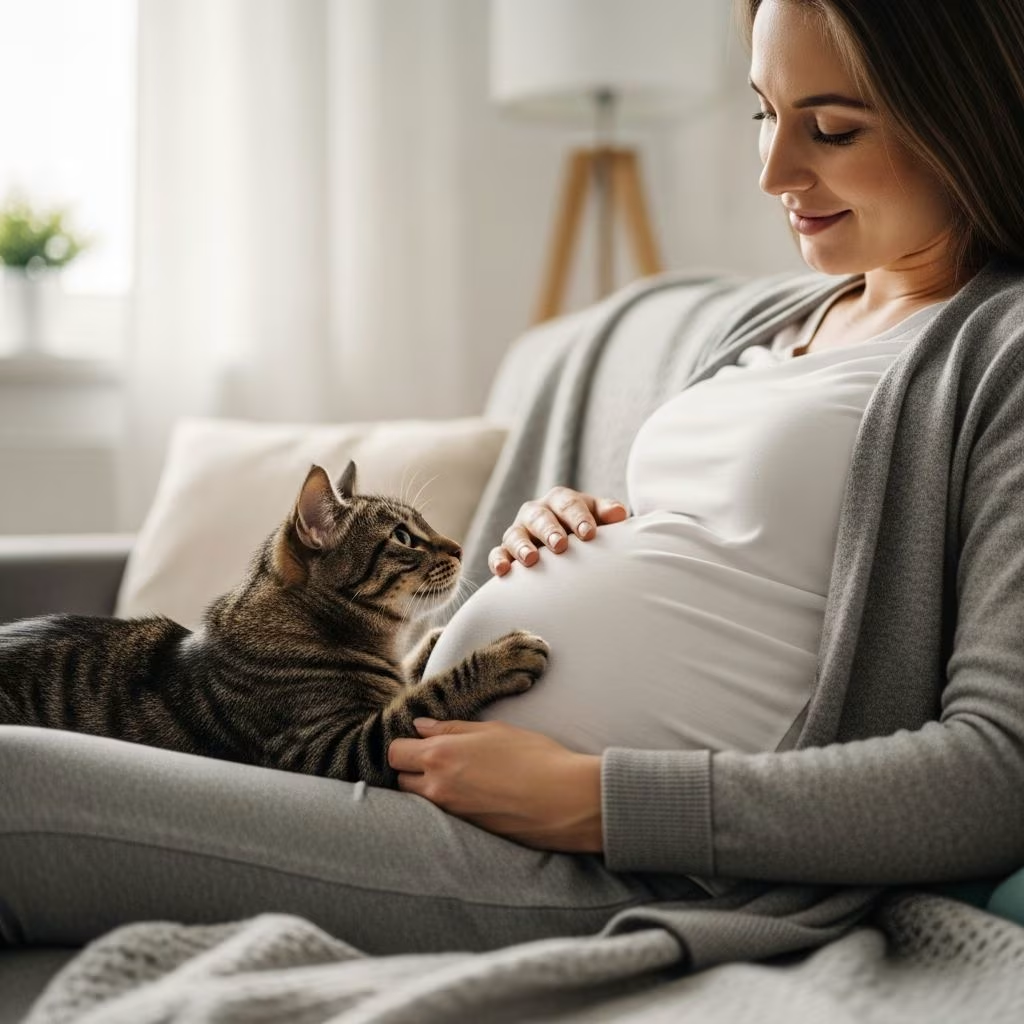
Your cat’s sudden clinginess during pregnancy can feel both heartwarming and puzzling. Many pet owners report their felines becoming unusually affectionate, following them everywhere, and seeking extra cuddles. This behavior stems from cats’ acute senses detecting hormonal shifts, changes in your routine, and their innate protective instincts.
Can Cats Sense Pregnancy?
Cats possess an extraordinary sense of smell—14 times stronger than humans—which allows them to detect subtle hormonal changes in your body during pregnancy. These shifts alter your scent profile, prompting your cat to rub against you more frequently to \”update\” the family scent and reaffirm bonds.
Additionally, cats are highly attuned to behavioral cues. Pregnancy often brings fatigue, mood swings, and altered routines, which your cat notices immediately. They may respond by becoming your constant companion, interpreting your vulnerability as a call for protection.
- Hormonal Detection: Progesterone and other hormones change your baseline scent, alerting sensitive feline noses.
- Body Temperature Rise: Increased blood volume raises your body heat slightly, making you a cozy spot for warmth-loving cats.
- Emotional Empathy: Cats sense stress or calm through your demeanor, mirroring it with affection or vigilance.
Common Cat Behaviors During Human Pregnancy
Not all cats react the same way, but clinginess is among the most reported responses. Here’s a breakdown of typical behaviors observed when owners are pregnant:
| Behavior | Description | Possible Reason |
|---|---|---|
| Increased Affection | Purring, head-butting, kneading on your lap | Comfort-seeking and bonding reinforcement |
| Protective Guarding | Positioning between you and others, alertness to noises | Territorial instincts kicking in |
| Shadowing/Following | Tailing you room-to-room, sleeping on your belly | Attachment and curiosity about changes |
| Vocalization Changes | More meowing or chirping | Communicating needs or concern |
| Routine Adjustments | Sleeping more or altering activity times | Adapting to your shifted schedule |
| Stress Signs (Less Common) | Hiding, aggression, or litter box issues | Anxiety from environmental disruptions |
These behaviors often intensify in the second and third trimesters as physical changes become more pronounced.
Reasons Why Cats Get Clingy
1. Heightened Sense of Smell and Hormones
Cats’ olfactory receptors can pick up on the surge in hormones like human chorionic gonadotropin (hCG) and progesterone. This scent alteration might reassure some cats, leading to more rubbing and closeness, while unsettling others.
2. Strong Emotional Bond and Empathy
If you’ve shared a deep bond, your cat may empathize with your condition. Studies on animal cognition suggest cats form attachments similar to dogs, responding to owners’ emotional states with support.
3. Changes in Your Routine and Behavior
Pregnancy symptoms like nausea or exhaustion mean less playtime and interaction. Cats, being creatures of habit, may cling to reclaim attention or adapt to your new normal.
4. Protective Instincts
Wild ancestors protected vulnerable pack members. Domestic cats retain this, becoming vigilant sentinels during your pregnancy.
5. Physical Comfort
Your warmer body temperature and relaxed posture on the couch make an ideal napping spot, encouraging clingy behavior.
Is This Behavior Normal? When to Worry
Extra clinginess is typically benign and even endearing. However, watch for red flags indicating stress:
- Sudden aggression, hissing, or swatting
- Inappropriate elimination outside the litter box
- Loss of appetite or excessive hiding
- Over-grooming leading to bald patches
If these persist, consult a veterinarian to rule out health issues. Pregnancy changes can mimic or exacerbate feline anxiety.
Tips for Managing a Clingy Cat During Pregnancy
Help your cat adjust smoothly with these strategies:
- Maintain Routines: Stick to feeding, play, and litter schedules as much as possible to minimize stress.
- Provide Safe Spaces: Set up quiet retreats with bedding, toys, and pheromone diffusers like Feliway for comfort.
- Increase Enrichment: Use puzzle feeders, window perches, and interactive toys to keep them engaged when you’re resting.
- Gentle Interaction: Offer short, quality play sessions to reinforce your bond without overwhelming yourself.
- Prepare for Baby: Gradually introduce baby items and sounds to desensitize your cat.
- Health Check: Schedule a vet visit to ensure your cat is healthy and up-to-date on vaccinations, especially toxoplasmosis precautions.
For nesting instincts mirroring your own, provide a dedicated cat bed away from the nursery.
How to Prepare Your Cat for the Baby’s Arrival
Transitioning from pregnancy to newborn requires proactive steps:
- Gradually reduce physical closeness to simulate post-baby boundaries.
- Enlist family members for playtime to distribute attention.
- Use white noise machines to mimic baby cries.
- Secure loose items and install baby gates for safety.
Post-birth, supervise initial interactions and reward calm behavior.
Frequently Asked Questions (FAQs)
Why is my cat suddenly sleeping on my belly?
Your cat is drawn to the warmth and possibly the subtle vibrations or sounds from the baby. It’s a sign of comfort and protection.
Will my clingy cat be okay with the new baby?
Most cats adapt well with preparation. Early socialization and positive associations ensure harmony.
Can my cat’s behavior predict my pregnancy?
No scientific evidence supports cats as reliable pregnancy detectors, but their sensitivity to changes is real.
What if my cat becomes aggressive instead of clingy?
This may indicate stress. Provide space, enrich the environment, and seek vet advice if it continues.
Is it safe to let my pregnant cat be clingy?
Yes, but practice good hygiene to avoid toxoplasmosis risks from litter boxes.
Expert Insights on Cat-Human Bonds During Pregnancy
Veterinary behaviorists note that cats’ responses vary by personality and history. Indoor cats with strong bonds show more affection, while skittish ones may withdraw. Understanding these dynamics fosters a supportive home.
Pregnancy amplifies the human-animal bond, turning your cat into an intuitive companion. Embrace the extra purrs while preparing for family expansion.
References
- Pregnant and have a cat? | Expert Insights – The Cat Behavior Clinic — The Cat Behavior Clinic. 2023. https://www.thecatbehaviorclinic.com/how-do-cats-behave-when-humans-are-pregnant/
- Cat Pregnancy: Signs, Stages and Care – PetMD — PetMD. 2024-05-15. https://www.petmd.com/cat/conditions/reproductive/cat-pregnancy-and-kittens-complete-guide
- Pregnant Cat Behavior – Cheyenne Mountain Animal Hospital — Cheyenne Pets. 2023. https://cheyennepets.com/blog/cat-behavior-when-pregnant/
- Can Cats Sense Pregnancy? Research Says Maybe – Healthline — Healthline. 2023-10-20. https://www.healthline.com/health/pregnancy/can-cats-sense-pregnancy
- Can cats sense pregnancy? Feline myths and facts – Clearblue — Clearblue. 2024. https://www.clearblue.com/am-i-pregnant/can-cats-sense-pregnancy
- Curious Kitties! Understanding Your Cat’s Behaviour During Human Pregnancies — Feliway UK. 2023. https://www.feliway.co.uk/blogs/news/curious-kitties-understanding-your-cats-behaviour-during-human-pregnancies



