

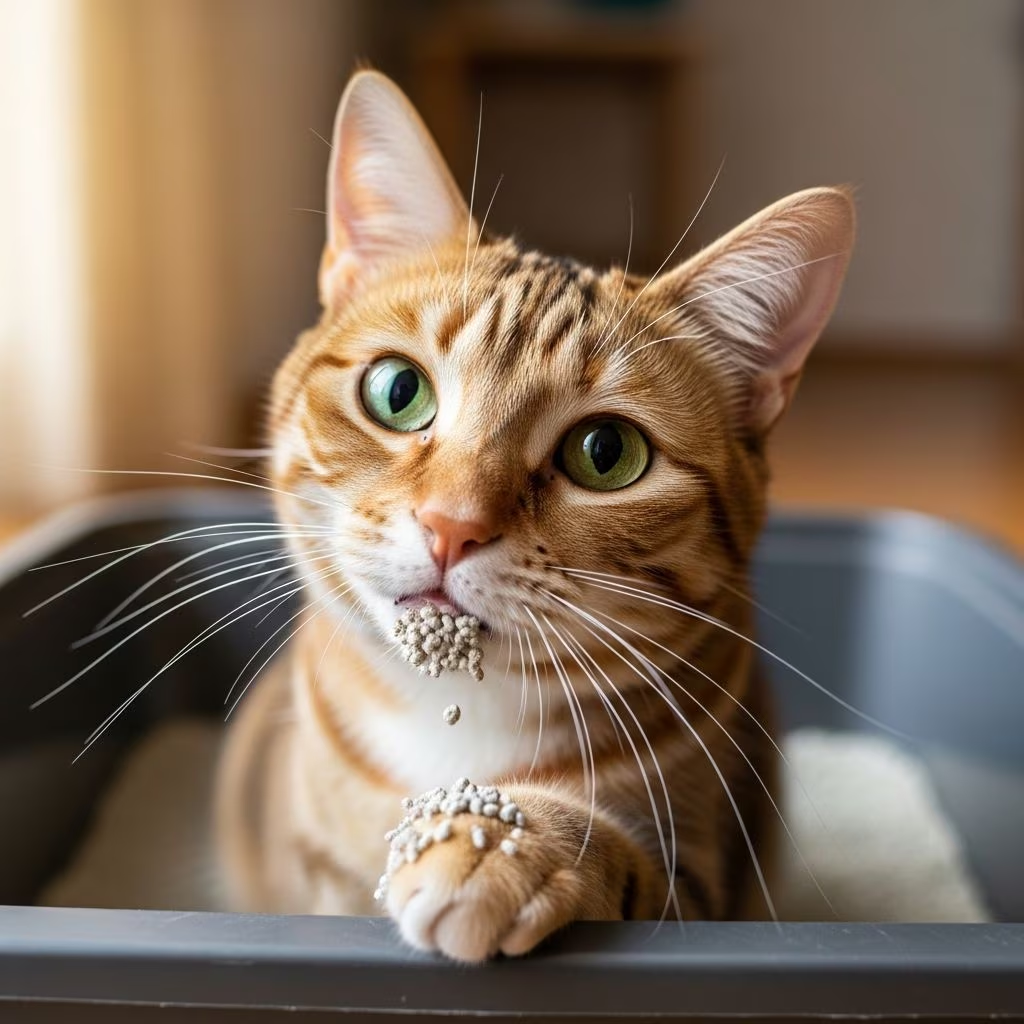
Observing your cat munching on cat litter can be alarming for any pet owner. This unusual behavior, known as litter eating or litter ingestion, may stem from curiosity, nutritional deficiencies, underlying medical conditions, or behavioral issues like pica. While occasional nibbling might not pose immediate danger, regular consumption can lead to severe health complications, including intestinal blockages and toxicity. Understanding the root causes is crucial for your cat’s well-being, and prompt veterinary intervention often reveals treatable issues such as anemia or gastrointestinal disorders.
In this comprehensive guide, we’ll explore why cats eat litter, the associated risks, symptoms to monitor, and practical steps to deter this habit. Drawing from veterinary insights, we’ll cover everything from common litter types’ dangers to dietary solutions, ensuring you have the knowledge to protect your furry friend.
Is It Dangerous for Cats to Eat Litter?
Yes, eating cat litter is potentially dangerous and should never be ignored. Most commercial litters, particularly clumping varieties made from sodium bentonite clay, can expand in the stomach when exposed to moisture, forming cement-like masses that cause life-threatening intestinal blockages. These blockages may require surgical intervention and can lead to constipation, vomiting, or even death if untreated.
Other risks include:
- Digestive upset: Ingested litter irritates the gastrointestinal tract, causing vomiting, diarrhea, or abdominal pain.
- Respiratory problems: Dusty litters release inhalable particles that coat lungs and airways, exacerbating conditions like asthma.
- Toxicity: Chemical additives, fragrances, or silica in crystal litters can poison cats, leading to lethargy, jaundice, or organ damage.
- Nutrient stripping: Clay litters may bind to essential minerals like iron and potassium, worsening deficiencies.
- Allergic reactions: Fragranced or synthetic litters trigger skin irritation or respiratory distress in sensitive cats.
Biodegradable alternatives like corn, walnut, or wheat litters aren’t entirely safe either. They risk fungal contamination (e.g., aflatoxin mold), causing vomiting, lethargy, and liver toxicity. Always monitor your cat closely and consult a vet if litter eating persists.
Why Do Cats Eat Litter? 7 Common Reasons
Cats eat litter for a mix of medical, nutritional, and behavioral reasons. Identifying the trigger requires observing patterns and seeking professional diagnosis. Here are the seven most common causes:
1. Pica (Behavioral Eating Disorder)
Pica is a condition where cats compulsively eat non-food items like litter, fabric, or plants. It often stems from boredom, stress, or genetics, particularly in young or oriental breed cats. While not always tied to health issues, pica increases ingestion risks and may signal anxiety. Management involves environmental enrichment, stress reduction, and sometimes anti-anxiety medications.
2. Anemia
Anemia, a deficiency in red blood cells, prompts cats to seek iron-rich substances, mistaking litter’s mineral content for nutrients. Symptoms include pale gums, lethargy, weakness, rapid breathing, and excessive sleeping. Causes range from fleas and parasites to chronic diseases; blood tests confirm diagnosis.
3. Nutritional or Mineral Deficiencies
Diets lacking taurine, iron, or other minerals can drive litter eating as cats self-supplement. Poor-quality foods high in indigestible carbs exacerbate this, leading to malabsorption and health issues like diabetes or obesity. Switching to high-protein, vet-recommended diets often resolves it.
4. Gastrointestinal Disorders
Conditions like inflammatory bowel disease (IBD), gastritis, or pancreatitis cause nausea and nutrient malabsorption, leading cats to eat litter for relief or compensation. Watch for vomiting, diarrhea, weight loss, and appetite changes. Endoscopy or biopsies aid diagnosis.
5. Kidney Disease
Both acute and chronic kidney disease impair nutrient processing, causing deficiencies that trigger litter eating. Symptoms include increased thirst/urination, lethargy, poor appetite, and urinating outside the box. Early blood and urine tests are vital for management.
6. Feline Leukemia (FeLV)
This viral disease, spread via bodily fluids, leads to anemia, lymphoma, and nutrient cravings. Signs include yellowing of eyes/mouth, infections, poor coat, fever, and diarrhea. Vaccination and testing prevent spread.
7. Stress or Boredom
Environmental changes, like new pets or moves, induce stress-eating. Kittens may explore curiously. Provide toys, scratching posts, and playtime to redirect.
Symptoms to Watch Out For
Beyond litter eating, monitor these red flags indicating serious issues:
- Frequent vomiting or diarrhea.
- Constipation or straining.
- Lethargy, weakness, or weight loss.
- Pale gums, rapid breathing, or fever.
- Increased thirst/urination.
- Behavioral changes like hiding or aggression.
- Jaundice or coughing.
If any appear, seek veterinary care immediately. Early detection improves outcomes dramatically.
How to Stop Your Cat from Eating Litter
Stopping litter eating involves addressing the cause while minimizing risks. Follow these steps:
- Vet visit first: Rule out medical issues with bloodwork, urinalysis, or imaging.
- Diet upgrade: Feed AAFCO-approved, high-protein wet foods rich in taurine and minerals.
- Litter switch: Opt for non-toxic, digestible options like tofu or paper-based litters to reduce harm if ingestion occurs. Avoid clumping clay.
- Environmental enrichment: Add puzzle feeders, vertical spaces, and daily play to combat boredom/pica.
- Stress reduction: Use pheromone diffusers, maintain routines, and provide safe spaces.
- Deterrents: Place citrus peels or aluminum foil near the box; supervise closely.
- Supplements: Vet-prescribed iron or multivitamins for deficiencies.
| Litter Type | Pros | Cons if Eaten |
|---|---|---|
| Clumping Clay | Excellent clumping | Blockages, dust toxicity |
| Corn/Walnut/Wheat | Biodegradable | Mold toxicity, dust |
| Tofu/Paper | Digestible, safe | Less common, pricier |
Frequently Asked Questions (FAQs)
Why is my cat suddenly eating litter?
Sudden litter eating often signals health issues like anemia or kidney disease. Schedule a vet exam promptly.
Is litter eating always a sign of illness?
No, it could be pica or curiosity in kittens, but medical causes are common in adults—get checked.
What litter is safest if my cat eats it?
Choose non-clumping, natural litters like tofu or pine; they’re digestible and low-toxin.
Can diet alone fix litter eating?
Diet helps nutritional causes but not pica or diseases—vet diagnosis is essential.
When is litter eating an emergency?
If accompanied by vomiting, lethargy, or no bowel movements, seek emergency care for possible blockage.
References
- Why Does My Cat Eat Litter? Causes & Solutions for Cats — MichuPet. 2023. https://michupet.com/blogs/pet-care/why-does-my-cat-eat-litter
- Why Is My Cat Eating Litter? — PetMD. 2024-01-10. https://www.petmd.com/cat/general-health/why-is-my-cat-eating-litter
- Why Your Cat Is Eating Litter and How to Stop It — PetCareRx. 2023. https://www.petcarerx.com/article/why-your-cat-is-eating-litter-and-how-to-stop-it/6954
- Why is your cat eating litter, and how to stop them? — Untamed. 2024. https://untamed.com/blogs/cat-care/cat-eating-litter
- Why is my Cat Eating Kitty Litter? — Pettable. 2023. https://pettable.com/blog/why-is-my-cat-eating-kitty-litter
- Why Is My Cat Eating Litter — Town & Country Veterinary Clinic. 2023. https://tcvcmarinette.com/blog/why-does-my-cat-eat-litter/



