

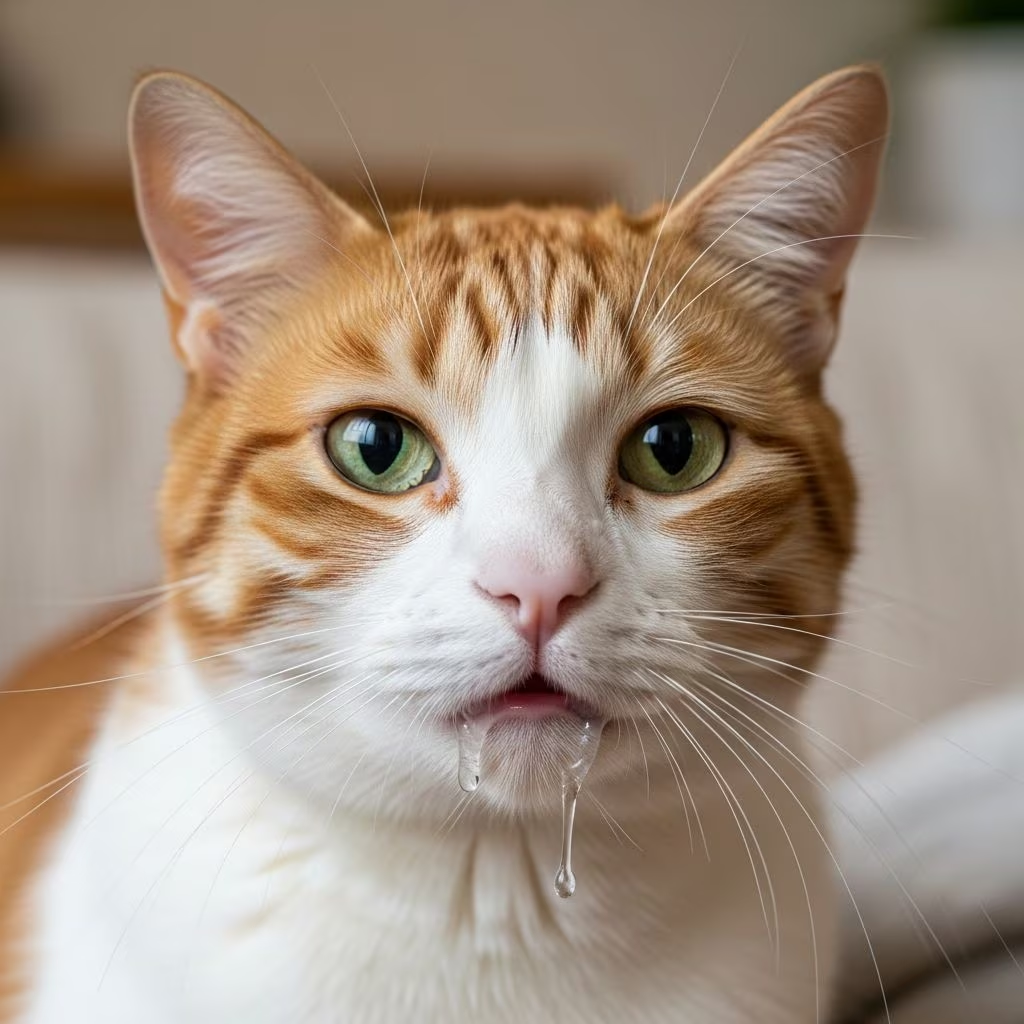
Cats occasionally drool when relaxed or enjoying a treat, but thick saliva drooling often indicates an underlying issue requiring attention. This symptom can stem from mild discomfort to severe health problems, making prompt observation essential for your cat’s well-being.
What Causes Cats to Drool Thick Saliva?
Thick drooling in cats arises from various triggers, ranging from benign to critical. Identifying accompanying symptoms helps pinpoint the cause.
1. Dental Issues
Dental problems top the list of reasons for thick saliva in cats. Conditions like gingivitis, tooth decay, periodontal disease, tooth resorption, abscesses, or oral tumors cause pain and inflammation, prompting excessive drooling.
- Gingivitis and gum disease: Inflamed gums lead to discomfort and thickened saliva.
- Tooth abscesses: Pus buildup causes swelling and reluctance to eat.
- Resorptive lesions: Erosion of tooth roots results in chronic pain.
Symptoms include bad breath (halitosis), pawing at the mouth, difficulty chewing, blood-tinged saliva, and facial swelling. Regular dental checks prevent escalation, as untreated issues can lead to systemic infections.
2. Stress and Anxiety
Cats under stress drool as a physiological response. Triggers include vet visits, new pets, loud noises, or environmental changes.
- Hiding or aggression alongside drooling signals anxiety.
- Thick saliva may thicken due to tension affecting salivary glands.
Observe for behavioral shifts like vocalizing or litter box avoidance. Calming pheromones or safe spaces can mitigate this.
3. Nausea and Gastrointestinal Issues
Nausea from upset stomach, motion sickness, or dietary indiscretion causes cats to drool thick saliva to combat queasiness.
- Motion sickness during car rides leads to drooling and vomiting.
- Food allergies or hairballs contribute to GI distress.
Watch for vomiting, reduced appetite, lethargy, or diarrhea. Fasting briefly and offering bland food may help mild cases, but persistent symptoms need vet evaluation.
4. Exposure to Toxins
Toxic ingestions provoke immediate thick drooling as irritation sets in. Common culprits: lilies, antifreeze, cleaning products, human medications, or rodenticides.
- Lilies cause kidney failure; even pollen is dangerous.
- Chemicals irritate the mouth and GI tract.
Emergency signs: vomiting, diarrhea, seizures, weakness. Induce vomiting only under vet guidance; rush to a clinic for decontamination.
5. Foreign Objects or Oral Injuries
Curious cats may lodge strings, plant material, bones, or sharp debris in their mouth, causing injury and drooling.
- Stuck objects lead to pawing, head shaking, and excessive saliva.
- Trauma from fights or falls worsens irritation.
Visible wounds, bleeding, or dropped food signal trouble. Avoid home extraction to prevent further damage.
6. Respiratory or Oral Infections
Viral (feline calicivirus, herpesvirus) or bacterial infections create mouth ulcers, swelling, and thick drool.
- Sneezing, nasal discharge, fever accompany upper respiratory infections.
- Fungal issues like candidiasis are rarer but possible.
Vaccinations reduce risk, but supportive care including antivirals aids recovery.
7. Serious Health Conditions
Systemic diseases manifest as drooling. Kidney or liver disease induces uremic ulcers and nausea; neurological issues impair swallowing; oral cancers obstruct saliva flow.
- Kidney failure: Increased thirst, weight loss, poor coat.
- Tumors: Persistent drool, lumps in mouth.
- Neurological: Seizures, imbalance.
Bloodwork confirms these; early detection improves prognosis.
When Should You Worry About Your Cat’s Drooling?
Not all drooling warrants alarm, but act if:
- Drooling lasts over 24 hours.
- Accompanied by vomiting, appetite loss, lethargy, or breathing issues.
- Mouth shows swelling, bleeding, or ulcers.
- Recent toxin exposure or trauma.
- Sudden onset with pawing or distress.
Blood-tinged or foamy thick saliva heightens urgency. Delaying risks complications like dehydration or sepsis.
How Is Drooling Diagnosed and Treated?
Vets start with a physical exam, focusing on the mouth.
- Oral inspection: Checks for foreign bodies, ulcers, dental disease.
- Diagnostics: Blood tests (kidney/liver function), X-rays, biopsies for tumors.
- Cultures: Identify infections.
Treatments vary:
| Condition | Treatment |
|---|---|
| Dental Issues | Professional cleaning, extractions, antibiotics, pain meds. |
| Infections | Antivirals, antibiotics, supportive fluids. |
| Toxins | Activated charcoal, IV fluids, monitoring. |
| Nausea | Anti-emetics like Cerenia, dietary changes. |
| Systemic Disease | Specialized therapy (e.g., kidney diets, chemo). |
Hospitalization aids severe cases. Follow-up ensures resolution.
Preventing Thick Drool in Cats
Proactive steps minimize risks:
- Dental care: Daily brushing with enzymatic toothpaste, dental treats, annual vet cleanings.
- Toxin-proof home: Remove plants, secure chemicals, no human meds.
- Diet: High-quality food, hairball control formulas.
- Stress reduction: Enrichment toys, pheromone diffusers, routine.
- Vaccinations/checkups: Bi-annual exams catch issues early.
Monitor weight and behavior for holistic health.
Frequently Asked Questions (FAQs)
Q: Can stress cause my cat to drool thick saliva?
A: Yes, anxiety from changes or noises triggers drooling in sensitive cats. Provide calm environments to help.
Q: Should I look inside my cat’s mouth if they’re drooling?
A: Only if safe; stressed cats may bite. Let vets handle exams.
Q: Is thick drooling always a dental problem?
A: No, though common; nausea, toxins, or illnesses also cause it. Vet diagnosis clarifies.
Q: When is cat drooling an emergency?
A: If sudden with swelling, breathing trouble, vomiting, or toxin exposure—seek immediate care.
Q: How can I prevent dental drooling?
A: Brush teeth regularly, use dental diets, schedule cleanings.
References
- Why Is Your Cat Drooling Thick Saliva? Understand the Causes and What to Do — Pine Grove Veterinary Hospital. 2023-05-15. https://www.pinegroveveterinaryhospital.ca/news/why-is-your-cat-drooling-thick-saliva-understand-the-causes-and-what-to-do
- Cat Drooling Thick Saliva — Animal Family Veterinary Care Center. 2024-02-10. https://animalfamilyveterinarycare.com/blog/cat-drooling-thick-saliva/
- Why Is My Cat Drooling Thick Saliva — Arvada Vet Hospital. 2023-11-20. https://arvadavethospital.com/blog/why-is-my-cat-drooling-thick-saliva/
- Excessive Drooling in Cats: Causes, Concerns, and Treatments — Loveland Regional Animal Hospital. 2024-01-05. https://lovelandregional.com/blog/excessive-drooling-in-cats/
- Drooling Dilemma: Is Your Cat’s Saliva Cause for Concern? — Peak Pet Urgent Care. 2023-08-12. https://peakpeturgentcare.com/drooling-dilemma-is-your-cats-saliva-cause-for-concern/
- Why Is My Cat Drooling? — PetMD. 2025-03-18. https://www.petmd.com/cat/symptoms/why-my-cat-drooling



