
Why Is My Cat Constipated? Causes and Solutions
Understanding feline constipation: causes, symptoms, and effective treatment options for your cat.
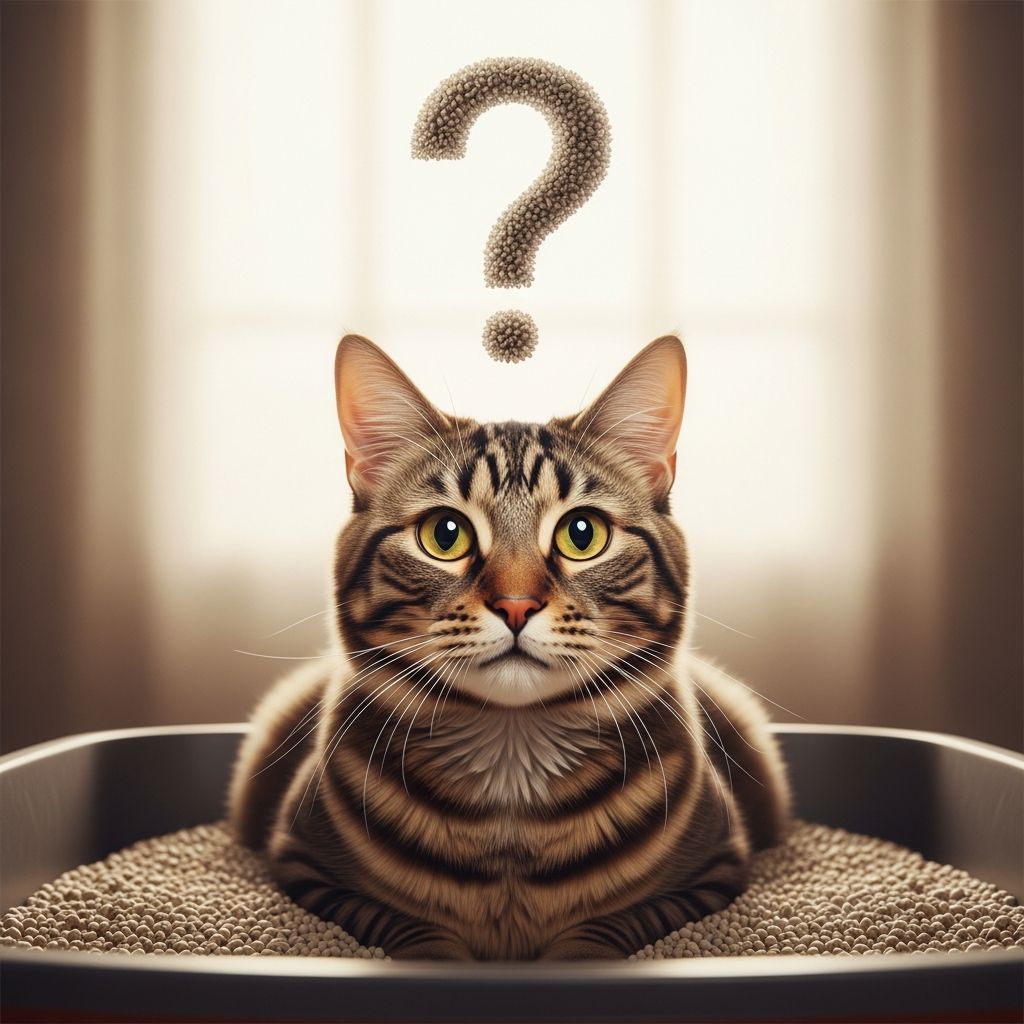
Why Is My Cat Constipated?
Constipation in cats is a common condition that many pet owners encounter at some point in their feline’s life. If your cat is experiencing difficulty with bowel movements or has stopped going to the litter box regularly, understanding the underlying causes can help you take appropriate action. While occasional constipation may resolve on its own, chronic constipation can indicate a more serious health issue that requires veterinary attention. This comprehensive guide explores the reasons your cat may be constipated and provides practical solutions to get your feline friend back on track.
Understanding Cat Constipation
Cat constipation occurs when your feline companion has difficulty or infrequency in passing stool. Unlike humans who may experience constipation occasionally, cats are particularly prone to this condition due to their unique physiology and dietary requirements. Constipation is characterized by hard, dry stools that may appear inside or outside the litter box, or in some cases, no stool production at all. It’s important to distinguish between normal variations in bowel habits and true constipation, as cats can vary in their bathroom frequency.
While constipation might seem like a minor inconvenience, it can progress into more serious conditions if left untreated. If constipation becomes chronic and severe, it may develop into obstipation (painful or absent defecation) or even megacolon, a condition where the colon becomes enlarged and loses its ability to function properly.
Common Causes of Constipation in Cats
Feline constipation can stem from various factors, ranging from dietary issues to underlying medical conditions. Understanding these causes is essential for both prevention and treatment:
Dietary Factors
Insufficient Fiber Intake: One of the most common causes of constipation in cats is a diet lacking adequate fiber. Cats consuming primarily dry kibble or low-fiber foods may struggle with regular bowel movements. Fiber plays a crucial role in promoting healthy digestion and facilitating stool passage through the colon.
Inadequate Water Consumption: Dehydration is a significant contributor to constipation in cats. Cats with low water intake produce harder, drier stools that are more difficult to pass. This is particularly common in cats fed exclusively dry food diets, which can predispose them to both constipation and dehydration.
Dry Food Diets: Cats on dry kibble-only diets face increased constipation risk because these foods naturally contain less moisture than wet food alternatives. The combination of low water content in the food and reduced water intake can quickly lead to intestinal challenges.
Physical and Structural Issues
Feline Megacolon: This serious condition occurs when the colon becomes abnormally enlarged and the smooth muscles lose their ability to contract effectively. The weak muscular contractions cannot push stool through the colon efficiently, resulting in severe, often chronic constipation.
Obstructions: Foreign objects such as bones, string, or other indigestible materials can block the colon and prevent normal stool passage. Excessive grooming leading to hairballs represents another form of internal obstruction.
Anal Sac Issues: Ruptured or impacted anal sacs can cause significant pain during defecation, discouraging cats from using the litter box and contributing to constipation.
Medical Conditions
Kidney Disease: Kidney disease causes the body to draw water from various tissues, including the intestines, leading to severe dehydration. The intestines reabsorb water from stool through the intestinal wall, resulting in very hard and dry feces that are difficult to pass.
Arthritis and Spinal Pain: Pain from arthritis or spinal issues can make it uncomfortable for cats to assume proper postures for bowel movements, leading them to avoid the litter box. Elderly cats are particularly susceptible to this combination of conditions.
Inflammatory Bowel Disease: This chronic condition causes inflammation in the digestive tract, disrupting normal bowel function and contributing to constipation.
Chronic Diseases: Conditions including hyperthyroidism, diabetes, and other systemic diseases can interfere with normal bowel function.
Neurological Issues: Nerve problems affecting the colon can impair the muscular contractions necessary for moving stool through the digestive tract.
Cancer and Tumors: Growths in or near the colon can create narrowing or blockages that prevent normal stool passage.
Behavioral and Environmental Factors
Stress and Anxiety: Cats are sensitive animals, and stress from environmental changes, new pets, or household upheaval can disrupt their digestive system and bowel habits.
Litter Box Issues: Dirty litter boxes, insufficient litter box availability, or litter box placement problems can discourage cats from using them regularly, potentially leading to constipation.
Reduced Exercise: Lack of physical activity can slow intestinal motility and contribute to constipation, particularly in overweight or obese cats.
Excessive Grooming: Cats that groom excessively ingest more hair, which can accumulate in the digestive tract and contribute to constipation.
Recognizing Symptoms of Constipation
Early recognition of constipation symptoms allows for prompt intervention. Watch for these telltale signs:
Litter Box Behavior Changes: Straining and difficulty passing feces, spending excessive time in the litter tray, or digging around without productive results are common indicators. You may notice your cat making repeated trips to the litter box with little success.
Hard, Dry Stools: Hard or dry feces that appear inside or outside the litter box indicate constipation. The stool appearance is often noticeably different from your cat’s normal bowel movements.
Abdominal Discomfort: Abdominal pain resulting from excessive stool, gas, and intestinal distension is a significant symptom. Your cat may appear hunched, be reluctant to be touched on the abdomen, or cry out when moving.
Behavioral Changes: Decreased energy levels, reduced interest in family interaction, and general lethargy can indicate that your cat is not feeling well. Cats often isolate themselves when experiencing digestive discomfort.
Loss of Appetite: Constipated cats may lose interest in eating due to abdominal pain and discomfort.
Lack of Bowel Movements: If your cat hasn’t produced stool for more than two to three days, this warrants veterinary evaluation.
Risk Factors for Feline Constipation
While constipation can develop in cats of any breed or age, certain factors increase susceptibility. Elderly cats experience constipation more frequently than kittens, particularly when consuming low-fiber diets or not drinking sufficient water. Senior cats often face multiple risk factors simultaneously, including arthritis, kidney disease, and reduced mobility, making constipation more likely.
Obese cats have an elevated constipation risk due to reduced physical activity and potential complications from excess weight placing pressure on the abdominal cavity. Additionally, cats with existing digestive sensitivities or allergies may be more prone to constipation when dietary triggers are present.
Treatment Options for Cat Constipation
Treatment approaches vary depending on the severity of constipation and underlying causes:
Dietary Modifications
Switching to a high-fiber diet or adding fiber supplements can significantly improve bowel movements. Canned pumpkin (plain, unsweetened) is a popular and effective natural remedy that many veterinarians recommend, typically administered at one teaspoon once or twice daily. High-fiber cat foods specifically formulated to support digestive health can also help manage constipation long-term.
Transitioning to wet food or a mixture of wet and dry food increases moisture content and promotes better hydration. Limited-ingredient or hypoallergenic diets may reduce inflammation and allow intestines to function more normally, particularly for cats with sensitivities.
Hydration Strategies
Ensuring your cat has constant access to fresh, clean water is essential. Some cats prefer running water, so a cat water fountain can encourage increased drinking. Adding water to wet food or offering wet food more frequently increases overall fluid intake.
Wet cat food contains significantly more moisture than dry kibble and can substantially improve hydration status while supporting regular bowel movements.
Medication and Professional Treatments
Laxatives: Over-the-counter or prescription laxatives such as lactulose or Miralax can be effective for managing constipation. However, always consult your veterinarian before administering laxatives, as these may worsen symptoms in cats with underlying or chronic diseases.
Prokinetic Drugs: These medications assist with muscle contractions in the colon, promoting more effective stool movement.
Pain Relief Medication: For cats with arthritis or other pain conditions, pain relief medication can enable them to access the litter tray and posture comfortably for bowel movements.
Enemas: For moderate to severe constipation, your veterinarian may recommend an enema to loosen and help pass compacted stool. Cats with severe constipation may require sedation during this procedure.
Manual Deobstipation: In cases of severe fecal impaction, veterinarians may perform manual removal of feces under sedation or anesthesia.
Surgical Intervention: In severe or unresponsive cases where the colon becomes distended and unable to function (megacolon), surgical removal of affected colon portions may be necessary.
Lifestyle and Environmental Adjustments
Minimize stress and anxiety through environmental enrichment, consistent routines, and a calm household atmosphere. Increase exercise to help with weight loss, reduce anxiety, and promote normal intestinal movement.
Help your cat maintain a healthy weight through appropriate portion control and regular activity. Maintain multiple, clean litter boxes in accessible locations, cleaning them frequently to encourage regular use. Consider moving litter boxes if your cat has difficulty accessing them due to mobility issues.
Add probiotics to support healthy gut flora and improve overall digestive function.
When to Seek Veterinary Care
While mild constipation may be manageable at home, certain situations require professional veterinary evaluation. Contact your veterinarian if your cat hasn’t had a bowel movement for more than two to three days, shows signs of severe abdominal pain, has blood in the stool, or exhibits vomiting. Additionally, if your cat is elderly, has existing health conditions, or if constipation persists despite home treatment attempts, professional evaluation is essential.
Your veterinarian can perform physical examinations and diagnostic imaging to identify underlying causes and recommend appropriate treatment. Identifying and addressing underlying diseases such as kidney disease or arthritis is often the most important treatment for preventing constipation recurrence.
Prevention Strategies
Preventing constipation is more effective than treating it. Provide a diet containing adequate fiber and moisture appropriate for your cat’s age and health status. Ensure constant access to fresh water and monitor daily water intake. Maintain a healthy weight through regular exercise and portion control. Keep multiple, clean litter boxes in accessible locations. Minimize stress through environmental consistency and enrichment activities. Schedule regular veterinary checkups to monitor your cat’s overall health and address potential issues early. Manage pain conditions with appropriate medication when necessary.
Frequently Asked Questions About Cat Constipation
Q: How often should a healthy cat have a bowel movement?
A: Healthy cats typically have bowel movements once or twice daily, though some variation is normal. If your cat goes more than two to three days without a bowel movement, contact your veterinarian.
Q: Is pumpkin safe for cats with constipation?
A: Yes, plain, unsweetened canned pumpkin is safe and effective for treating cat constipation. Offer approximately one teaspoon once or twice daily. Never use pumpkin pie filling, which contains added sugars and spices.
Q: Can I give my cat over-the-counter laxatives?
A: While some over-the-counter laxatives are available, always consult your veterinarian before administering them. Certain laxatives may worsen symptoms in cats with underlying or chronic diseases.
Q: Why is my senior cat more prone to constipation?
A: Senior cats are more susceptible to constipation due to reduced mobility, arthritis pain, decreased water intake, kidney disease, and other age-related health conditions that interfere with normal bowel function.
Q: Can switching from dry food to wet food help constipation?
A: Yes, wet food contains significantly more moisture than dry kibble and can substantially improve hydration and support regular bowel movements. Many cats benefit from a combination of wet and dry food.
Q: What should I do if my cat hasn’t had a bowel movement in three days?
A: Contact your veterinarian promptly. Prolonged absence of bowel movements can indicate serious conditions requiring professional evaluation and treatment.
References
- Constipation in Cats: Symptoms, Causes & Treatment — New Hope Animal Hospital. 2024-07-15. https://www.newhopeanimalhospital.com/site/blog/2024/07/15/constipation-cats
- Constipation in Cats: Causes, Symptoms & Treatment — Argyle Vets. 2022-03-31. https://www.argylevet.com/site/blog/2022/03/31/constipation-cats
- Constipation in Cats: Causes, Symptoms & Treatment — AnimERge Veterinary Emergency & Critical Care. 2021-01-15. https://www.animergevets.com/site/blog/2021/01/15/constipation-dogs-causes-symptoms-treatment
- Constipation — Cornell University College of Veterinary Medicine. https://www.vet.cornell.edu/departments-centers-and-institutes/cornell-feline-health-center/health-information/feline-health-topics/constipation
- Cat Constipation Symptoms and Causes — PetMD. https://www.petmd.com/cat/conditions/digestive/cat-constipation-symptoms-causes
- My Cat Won’t Poop: Causes and Treatments for Cat Constipation — Companion Oak Park. https://companionop.com/blog/my-cat-wont-poop-causes-and-treatments-for-cat-constipation/
- Constipation in Cats — International Cat Care. https://icatcare.org/articles/constipation-in-cats
Similar Articles








Read full bio of Sneha Tete




