

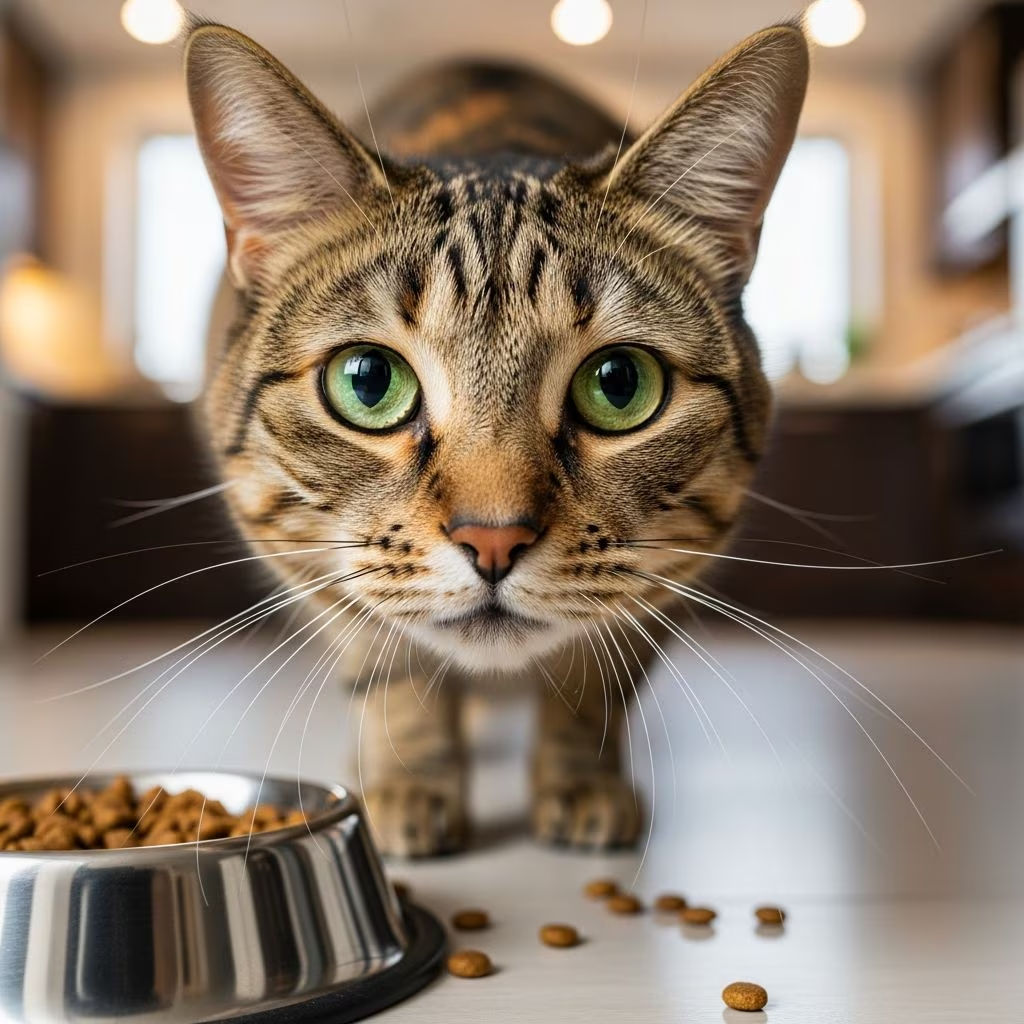
Cats exhibiting relentless hunger, known medically as polyphagia, often display behaviors like rapid eating, persistent meowing for food, scavenging household items, or begging between meals. This can signal underlying issues ranging from benign habits to serious diseases. While not immediately life-threatening, ignoring it risks obesity or undiagnosed conditions leading to weight loss despite increased intake.
Recognizing the Signs of Excessive Appetite in Cats
Observant owners notice subtle shifts in their cat’s routine. Key indicators include:
- Devouring meals in seconds rather than savoring them.
- Immediate vocal demands for seconds post-feeding.
- Counter-surfing or raiding trash for scraps.
- Heightened interest in human meals, jumping on tables during prep.
- Restlessness or agitation around mealtimes, sometimes escalating to aggression toward other pets.
Accompanying changes like unexplained weight fluctuations amplify concern. Gaining pounds points to overfeeding or behavioral triggers, while losing mass despite voracious eating suggests metabolic disorders. Tracking body condition score—ideally 4-5 out of 9, where ribs are palpable without prominence—helps gauge health.
Behavioral and Environmental Triggers
Not all hunger stems from physiology; environment plays a pivotal role. Boredom drives many indoor cats to food as entertainment, mirroring human snacking. Limited play or stimulation leads to obesity, heightening risks for diabetes, arthritis, and heart disease.
Stress exacerbates this: new pets, household upheavals, or territorial disputes prompt comfort eating. Anxious cats rub legs in kitchens or vocalize excessively, associating food with solace. Nutritional mismatches worsen it—a switch to lower-quality kibble fails to satisfy, prompting more consumption.
Seasonal factors like colder weather boost caloric needs, while sudden outdoor access increases activity, ramping appetite. Genetic predispositions make some breeds or individuals prone to overeating, self-regulating poorly.
Medical Conditions Behind Insatiable Hunger
Several diseases accelerate metabolism or impair nutrient uptake, fooling the body into craving more fuel.
Hyperthyroidism: The Metabolic Speedster
Common in senior cats, this involves overactive thyroid glands flooding the system with hormones, spiking energy demands. Symptoms blend ravenous hunger with weight loss, hyperactivity, and irritability. Untreated, it strains heart and kidneys.
Diabetes Mellitus: Insulin’s Betrayal
Obesity predisposes cats to this, where cells resist insulin, leaving glucose unused. Cats eat more yet shed pounds, guzzling water and urinating frequently. Progression risks ketoacidosis—lethargy, vomiting, dehydration—demanding emergency care. Early intervention can induce remission.
Parasitic Invaders
Worms or protozoa siphon nutrients from intestines or blood, especially in kittens or outdoor roamers. Affected cats compensate by eating voraciously; fecal exams confirm and dewormers resolve.
Other Culprits: Cancer, Cushing’s, and More
Tumors demand extra energy, causing appetite surges amid weight loss. Rare in cats, Cushing’s (hyperadrenocorticism) or acromegaly (growth hormone excess) mimic this. Malabsorption syndromes hinder digestion, while medications like steroids stimulate hunger.
Health Risks of Unchecked Hunger and Overfeeding
Free-feeding fosters gluttony, with studies estimating 50% of U.S. cats overweight or obese. Excess fat impairs insulin sensitivity, circling back to diabetes. Hepatic lipidosis lurks for obese cats skipping meals—even briefly—mobilizing fats that clog livers, potentially fatally.
| Condition | Risk from Overfeeding/Hunger | Prevention Tip |
|---|---|---|
| Obesity | Leads to lethargy, joint strain, diabetes | Portion control, measured meals |
| Diabetes | High glucose from fat buildup | Maintain lean weight, regular vet checks |
| Hepatic Lipidosis | Liver failure in anorexic obese cats | Monitor appetite changes closely |
| Hyperthyroidism | Exacerbated by undiagnosed hunger | Senior blood panels annually |
Diagnostic Steps: When to See a Vet
Schedule a visit if hunger persists over weeks, pairs with symptoms like polydipsia (excess thirst), polyuria (frequent urination), coat changes, vomiting, or lethargy. Vets start with:
- Physical exam and history review.
- Bloodwork for thyroid, glucose, organ function.
- Urinalysis for diabetes, infections.
- Fecal tests for parasites.
- Imaging if tumors suspected.
Weigh-ins track trends; body condition scoring standardizes assessment.
Management Strategies for Hungry Cats
Tailor approaches post-diagnosis.
Dietary Adjustments
Switch to high-protein, low-carb foods mimicking prey. Puzzle feeders slow gulpers, curbing boredom. Divide daily calories into 4-6 small meals; automatic dispensers aid schedules.
Enrichment and Exercise
Interactive toys, climbing trees, laser pointers burn energy, reducing food fixation. Rotate toys to combat ennui.
Medical Interventions
Treat root causes: methimazole for thyroid, insulin for diabetes, dewormers for parasites. Obese cats benefit from prescription weight-loss diets under supervision.
Monitor multi-cat homes to prevent bullying at bowls, feeding separately.
Preventive Care for Optimal Feline Appetite
Annual wellness exams catch issues early, especially post-7 years. Maintain ideal weight via body scoring monthly. Balanced nutrition, routine play, and stress minimization via stable environments fortify health.
For gluttonous eaters, measured portions prevent habits. Track intake logs to spot patterns.
Frequently Asked Questions (FAQs)
Is it normal for my cat to act hungry all the time?
No, persistent hunger warrants investigation; it differs from natural grazers who self-regulate.
Can stress really make a cat overeat?
Yes, environmental changes or anxiety trigger comfort eating, leading to weight gain.
What if my hungry cat is losing weight?
This signals urgent issues like hyperthyroidism or diabetes—seek vet care promptly.
How do I stop my cat from begging for food?
Use puzzle feeders, increase play, stick to schedules, and ignore pleas to extinguish behavior.
Does wet food help with hungry cats?
Often yes—higher moisture and protein promote satiety versus dry kibble.
Long-Term Wellness for Your Feline Companion
Addressing constant hunger transforms lives, averting obesity epidemics and diseases. Proactive owners blending vet insights, smart feeding, and engagement ensure thriving cats. Regular monitoring turns potential crises into manageable routines, fostering joyful, healthy bonds.
References
- Why Is My Cat Always Hungry? Causes of a Hungry Cat — PetMD. 2023. https://www.petmd.com/cat/symptoms/causes-of-hungry-cat
- Are You Over Feeding Your Cat? — Green Cross Vets. 2023. https://www.greencrossvets.com.au/pet-library/articles-of-interest/are-you-over-feeding-your-cat/
- Feline Obesity — Simply Cats. 2024. https://www.simplycats.net/post/feline-obesity
- Why is my cat always hungry? — PDSA. 2024. https://www.pdsa.org.uk/pet-help-and-advice/pet-health-hub/symptoms/why-is-my-cat-always-hungry
- Why Does My Cat Eat so Much (Polyphagia)? — Pet Health Network. 2023. https://www.pethealthnetwork.com/cat-health/cat-diseases-conditions-a-z/why-does-my-cat-eat-so-much-polyphagia
- Cat Not Eating? Urgent Signs and When to Seek Care — GSVS. 2024. https://gsvs.org/blog/cat-not-eating-emergency/
- 10 Signs Your Cat Is Addicted to Food and 5 Recommendations — Four Paws. 2023. https://fourpaws.org/10-signs-that-your-cat-is-addicted-to-food-and-5-recommendations-to-break-the-cycle/



