

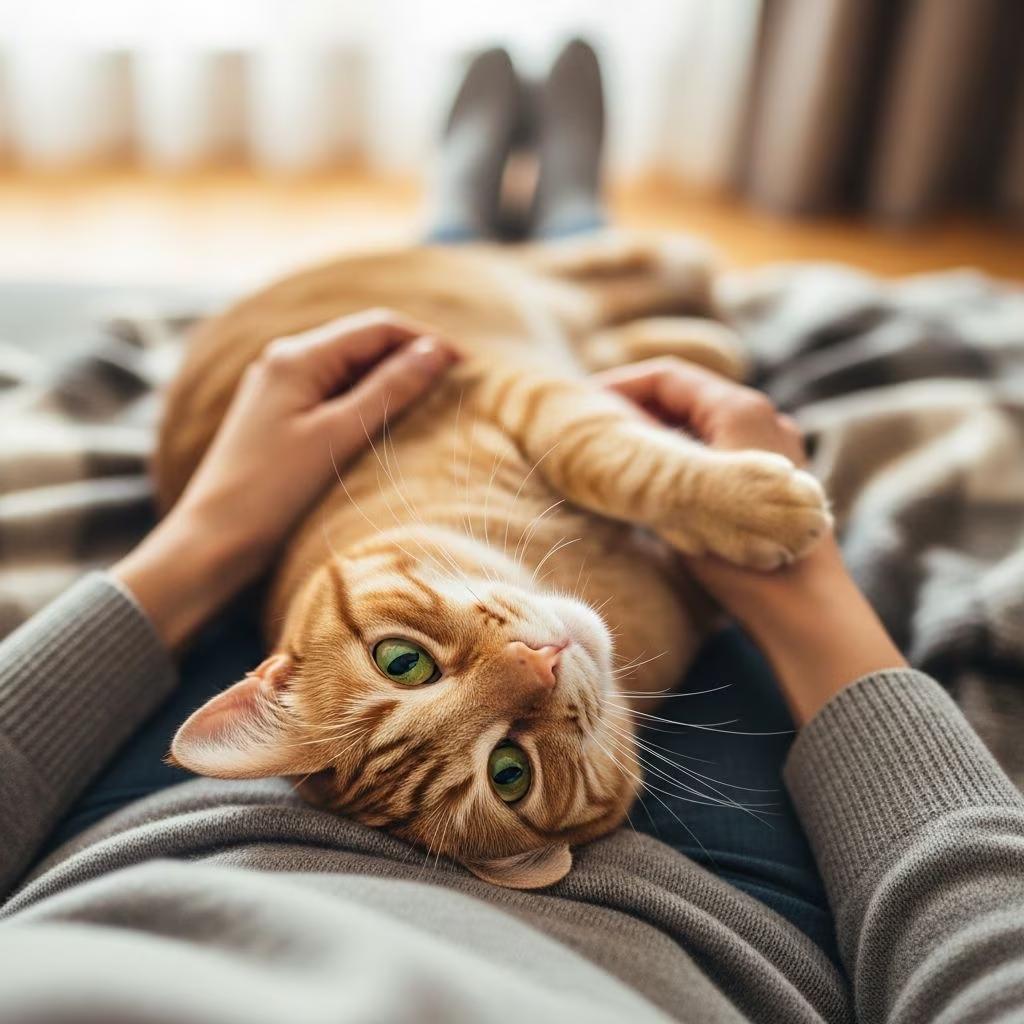
Cats are renowned for their independent nature, often lounging solo or pursuing their own agendas without much human intervention. However, when your cat starts shadowing your every move, meowing incessantly for attention, or refusing to leave your side, it can be both endearing and perplexing. This shift from aloof to affectionate—commonly called clingy cat behavior—isn’t always cause for alarm but warrants attention. Vet-reviewed insights reveal that clinginess often stems from underlying emotional, environmental, or physical triggers. Understanding these can help you address the root cause, ensuring your feline friend feels secure while preserving your personal space.
In this comprehensive guide, we’ll break down the hallmarks of a clingy cat, explore the top five reasons for this behavior, and provide actionable strategies to manage it effectively. Whether it’s a sudden onset or a gradual escalation, knowing why your cat is clingy empowers you to respond with empathy and expertise.
Cat Clinginess Explained
While cats form strong bonds with their owners, their affection typically manifests subtly—through purrs, head butts, or brief lap sessions—rather than dog-like devotion. True clinginess disrupts normal routines, with your cat demanding constant proximity. This behavior might arise from instinctual needs for security, especially in domesticated cats who view humans as their primary caregivers. Environmental shifts, health concerns, or unmet emotional needs can amplify this, turning a self-sufficient pet into a velcro kitty. Importantly, what seems “needy” to us may be your cat’s way of seeking reassurance in a world that feels unpredictable to them.
Signs Your Cat Is Clingy
Distinguishing normal affection from excessive clinginess is key, particularly for new owners. A clingy cat goes beyond casual companionship, exhibiting persistent behaviors that interfere with daily life. Watch for these telltale signs:
- Follows you everywhere: From room to room, bathroom trips included, they trail like a shadow.
- Meows loudly or scratches at doors: Vocal protests or pawing when separated, even briefly.
- Constant rubbing and weaving: Repeatedly circling your legs or furniture you’re on for attention.
- Sits on your items: Plops on your laptop, book, or keyboard while you’re using it.
- Refuses food or water alone: Won’t eat or drink unless you’re nearby, potentially leading to health risks.
If multiple signs persist for days, it’s time to investigate further. These behaviors signal discomfort rather than mere playfulness.
5 Reasons Why Your Cat Is Clingy
Veterinarians identify five primary culprits behind feline clinginess, each with distinct triggers and symptoms. Addressing them promptly prevents escalation into chronic issues like destructive scratching or over-grooming.
1. Separation Anxiety
Separation anxiety affects sensitive cats, manifesting as distress when alone. Unlike dogs, cats rarely show extreme destruction, but clinginess is a hallmark—pacing, vocalizing, or gluing themselves to you pre-departure. Kittens separated early from mothers or those with unstable early environments are prone. Prevention starts young: daily play builds confidence. For adults, gradual desensitization helps; leave for short periods with toys, extending time slowly. A vet can rule out medical mimics and suggest pheromone diffusers like Feliway for calming effects.
2. Health Problems
Cats are masters at masking illness, but some seek comfort when unwell, becoming unusually clingy. Pain from arthritis, dental issues, or infections prompts them to stick close for warmth and protection. Accompanying signs include lethargy, appetite loss, weight decline, vomiting, or hiding (contrasting clinginess). Hyperthyroidism in seniors often causes vocal, needy behavior. Action step: Schedule a vet exam immediately—bloodwork and exams detect issues early. Early intervention, like pain meds or diet changes, restores normalcy.
3. Stress
Cats thrive on routine; disruptions like loud noises (fireworks, storms), renovations, or rearranged furniture spike cortisol, triggering clinginess for security. They revert to kitten-like dependence on you as their “safe base.” Observe timing: clinginess post-event confirms stress. Mitigate with hiding spots, consistent schedules, and calming aids. Vertical spaces like cat trees offer escape, reducing owner-reliance.
4. New Family Members
Introducing babies, partners, or pets upheaves a cat’s world, making them feel displaced. They amp up affection to reclaim attention, especially if routines shift (e.g., less lap time). Puppies or kids amplify this, as cats compete for territory. Gradual introductions work best: scent swapping, supervised meets, and undivided playtime reassure them. Monitor for aggression; consult a behaviorist if needed.
5. Boredom
Indoor cats with scant stimulation turn to owners for entertainment, following and pawing relentlessly. Lack of toys, puzzles, or hunting outlets leads to restless neediness. Breeds like Siamese are genetically predisposed to vocal demanding. Combat with enrichment: rotating toys, window perches, food puzzles. Scheduled 15-20 minute play sessions daily mimic natural activity, tiring them happily.
How to Help a Clingy Cat
Tailored solutions depend on the cause, but patience is universal. Here’s a step-by-step toolkit:
1. Give Them More Attention
Counter neglect or new-member stress with quality time. Fixed daily sessions using interactive toys—laser pointers, feather wands, catnip mice—engage body and mind. Avoid free-feeding; timed meals heighten play anticipation.
2. Enrich Their Environment
Boredom busters include scratching posts, tunnels, puzzle feeders, and automated toys. Place perches near windows for bird-watching. Rotate items weekly to maintain novelty.
3. Consult a Veterinarian
Rule out health issues first. Vets may recommend tests, medications, or referrals to behavior specialists.
4. Do Not Make Leaving or Entering Your Home a Big Fuss
For anxiety cases, ignore departures and arrivals calmly—no pets or exclamations. This downplays absences. Practice short exits with treats upon calm return.
Additional Tips
- Use pheromone products for ambient calm.
- Maintain routines rigidly during transitions.
- Consider multi-cat dynamics if applicable.
- Spay/neuter to stabilize hormones.
| Cause | Key Signs | Quick Fix |
|---|---|---|
| Separation Anxiety | Vocalizing, pacing pre-exit | Desensitization training, pheromones |
| Health Problems | Lethargy, appetite loss | Vet visit, diagnostics |
| Stress | Sudden onset post-change | Enrichment, hiding spots |
| New Family | Timing matches intro | Gradual intros, extra play |
| Boredom | Pawing for play | Toys, scheduled sessions |
Frequently Asked Questions (FAQs)
What breeds are clingiest?
Siamese, Burmese, and Ragdolls often seek constant companionship due to genetics, but any cat can become needy under stress.
Is clinginess normal in kittens?
Yes, young kittens bond closely but should gain independence by 6 months with proper socialization.
Can diet affect clinginess?
Indirectly; nutritional deficiencies or hyperthyroidism mimic behavioral issues, so balanced food matters.
When to worry about sudden clinginess?
If paired with illness signs or lasting over a week, see a vet promptly.
Does pregnancy make cats clingy?
Often yes; they detect hormonal/scent changes and seek extra comfort from the pregnant owner.
Clingy cats reflect deep trust but signal unmet needs. By pinpointing causes—separation anxiety, illness, stress, newcomers, or boredom—and applying targeted fixes, you restore harmony. Patience and consistency turn needy behavior into balanced affection. If issues persist, professional guidance ensures long-term well-being.
References
- Why Is My Cat So Clingy? 5 Vet Reviewed Reasons for This Behavior — Catster Veterinary Review Team. 2023-10-15. https://www.catster.com/cat-behavior/why-is-my-cat-clingy/
- Why is My Cat so Clingy: 8 Reasons [Ask a Vet] — Sploot Vets. 2024-05-22. https://www.splootvets.com/post/why-is-my-cat-clingy-suddenly
- Separation Anxiety in Cats — American Animal Hospital Association (AAHA). 2022-11-01. https://www.aaha.org/resources/2022/11/separation-anxiety-in-cats/
- Feline Behavior Guidelines: Stress and Anxiety — International Cat Care (icatcare.org). 2023-03-10. https://icatcare.org/advice/feline-behaviour-guidelines-stress-and-anxiety/
- Hyperthyroidism in Cats — Cornell University College of Veterinary Medicine. 2024-01-08. https://www.vet.cornell.edu/departments-centers-and-institutes/cornell-feline-health-center/health-information/feline-health-topics/hyperthyroidism-cats
- Enrichment for Indoor Cats — ASPCA. 2023-07-19. https://www.aspca.org/pet-care/cat-care/cat-enrichment



