

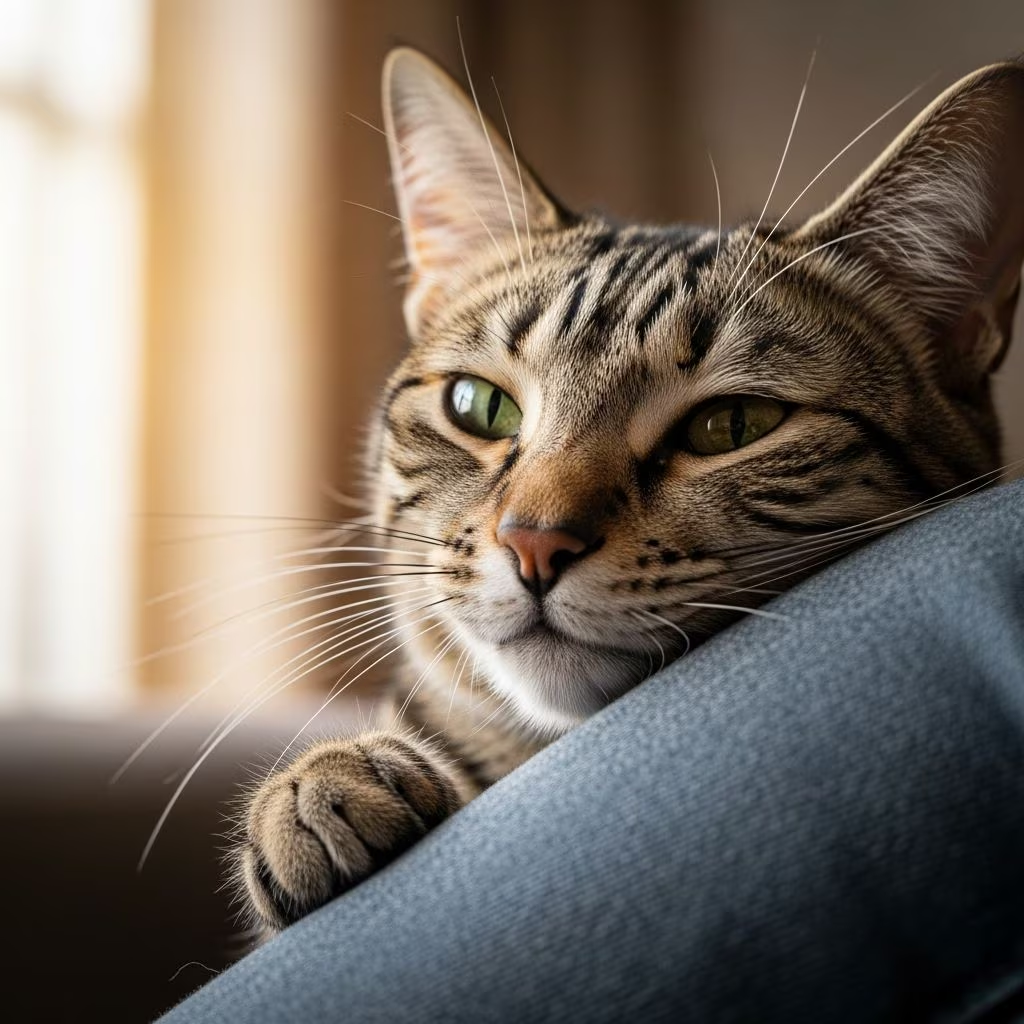
Cats form strong bonds with their owners but typically maintain independence unlike dogs. However, when a cat becomes unusually clingy—following you everywhere, meowing persistently, or refusing to leave your side—it often indicates an underlying issue such as health problems, anxiety, stress from changes, or boredom. These behaviors can be addressed with attentive care, routine adjustments, and veterinary guidance to restore balance.
Cat Clinginess Explained
While cats enjoy affection and attachment to humans, excessive clinginess disrupts normal routines and differs from their solitary nature. This behavior frequently stems from health concerns, emotional distress, or environmental shifts in the household. Sensitive cats may seek constant reassurance, but recognizing the root cause allows for targeted interventions that reduce clinginess without ignoring their needs.
Clingy behavior might seem endearing initially but can escalate, affecting both cat and owner. Understanding it as a signal rather than mere affection helps owners respond effectively, preventing long-term anxiety or health oversight.
Signs Your Cat Is Clingy
Distinguishing normal affection from problematic clinginess is key, especially for new owners. Look for these persistent indicators:
- Follows you from room to room, even into the bathroom.
- Meows loudly, scratches doors, or paws at you when separated.
- Rubs against your legs excessively or headbutts for attention.
- Sits or lies on your lap, keyboard, or books while you’re using them.
- Refuses to eat, drink, or use the litter box unless you’re nearby.
- Displays distress like pacing, excessive grooming, or vocalizing when alone.
These signs suggest more than affection; they point to discomfort needing attention. Track when behaviors started to identify triggers like recent changes.
Why Is My Cat So Clingy? 5 Vet Reviewed Reasons
1. Separation Anxiety
Separation anxiety affects sensitive cats, manifesting as clinginess when owners prepare to leave. Unlike dogs, cats rarely show severe cases, but early insecurity or trauma heightens risk. Kittens separated too young or those with unstable early environments often develop this.
Symptoms include destructive behavior, escape attempts, over-grooming, and heightened excitement upon return followed by velcro-like attachment. Prevention starts young: daily play builds confidence. For adults, gradual desensitization—short absences with treats—toys helps. Veterinary confirmation rules out medical mimics; behaviorists may suggest pheromone diffusers or anti-anxiety aids.
2. Health Problems
Illness or pain prompts some cats to seek comfort from owners instead of hiding, a survival instinct reversal in domestics. Watch for accompanying signs: weight loss, appetite changes, lethargy, vomiting, diarrhea, or mobility issues.
Common culprits include hyperthyroidism, kidney disease, dental pain, arthritis, or infections. Clinginess signals vulnerability; a vet exam with bloodwork diagnoses promptly. Early intervention improves outcomes—don’t dismiss as ‘just aging’. Hormonal imbalances in unsterilized cats can also spike affection temporarily.
3. Stress
Cats thrive on routine; disruptions like storms, fireworks, renovations, or visitors trigger stress-induced clinginess for security. They stick close to regain normalcy amid chaos.
Observe timing: clinginess post-event confirms link. Pheromone products (Feliway), safe hiding spots, and maintaining feeding/play schedules mitigate. Gradual exposure rebuilds resilience.
4. New Family Members
Introducing babies, partners, or pets upends a cat’s world, sparking jealousy or fear of reduced attention. Clinginess surges post-arrival as they reclaim status.
Evidence: behavior shift aligns with newcomer. Slow introductions—scent swapping, supervised meets—plus undivided playtime reassure. Pregnancy heightens this; cats detect hormonal/scent changes, bumping against bellies or seeking extra cuddles.
5. Boredom & Attention-Seeking
Understimulated cats turn clingy for entertainment, pawing, following, or vocalizing demandingly. Indoor life without outlets leads to restlessness.
Hunger mimics this—meowing near mealtime. Solution: scheduled interactive play with wand toys, lasers, puzzles. Vertical spaces (cat trees) and solo toys prevent reliance. Breeds like Siamese or Ragdolls naturally seek more interaction.
How Do I Get My Clingy Cat to Leave Me Alone? 4 Vet Reviewed Tips
1. Give Them More Attention
Counterintuitively, structured attention reduces demands. Daily 15-20 minute sessions with engaging toys like feather wands or catnip mice satisfy needs, establishing routine. Rotate toys to sustain interest; food puzzles add mental challenge.
Consistency signals reliability, curbing random interruptions. Track improvements weekly.
2. Provide Mental Stimulation
Enrich environment with scratching posts, window perches, tunnels, and treat-dispensing toys. Puzzle feeders mimic hunting, combating boredom. Rotate items biweekly for novelty.
Clicker training teaches tricks, boosting confidence and independence.
3. Use Calming Products
Pheromone diffusers/collar sprays (Feliway) mimic facial pheromones, easing anxiety. CBD treats or vet-prescribed meds for severe cases. Consult vet first.
| Aid Type | Best For | Duration | Pros | Cons |
|---|---|---|---|---|
| Pheromone Diffuser | Anxiety/Stress | 30-60 days | Passive, room-wide | Costly refills |
| Interactive Toys | Boredom | Ongoing | Builds skills | Requires owner time |
| Herbal Supplements | Mild cases | Daily | Natural | Vet approval needed |
4. Do Not Make Leaving or Entering Your Home a Big Fuss
Minimize rituals: quiet exits/entries prevent anticipation buildup. Ignore until settled, then casual greet. Desensitize with practice departures.
For travel, familiar carriers, vet-sitters with routines ease separation.
Frequently Asked Questions (FAQs)
Q: Is cat clinginess normal?
A: Occasional affection is normal, but excessive following, distress when alone, or routine disruption signals issues like anxiety or illness needing address.
Q: Why is my cat suddenly clingy at night?
A: Night clinginess often ties to boredom (day underactivity) or sensing owner bedtime routines. Add evening play to tire them.
Q: Can certain breeds be more clingy?
A: Yes, breeds like Burmese, Siamese, or Ragdolls crave interaction more due to genetics.
Q: My pregnant—why extra clingy?
A: Cats detect hormonal/scent shifts, body changes; provide extra reassurance without stress.
Q: When to see a vet for clingy cat?
A: If with appetite loss, lethargy, vomiting, or persists post-home enrichment, vet rules out health issues.
Conclusion
Clinginess in cats arises from separation anxiety, health woes, stress, new household dynamics, or boredom/lack of stimulation. Observe signs, pinpoint triggers, and apply tailored solutions like enriched play, calming aids, and vet checks. Patience fosters secure, independent cats thriving alongside owners. Most cases resolve with consistent care.
References
- Why Is My Cat So Clingy? 5 Vet Reviewed Reasons for This Behavior — Catster. 2023. https://www.catster.com/cat-behavior/why-is-my-cat-clingy/
- Why Is My Cat So Affectionate All of a Sudden? 4 Vet-Reviewed Reasons — Catster. 2023. https://www.catster.com/cat-behavior/why-is-cat-affectionate-all-of-a-sudden/
- Why is My Cat so Clingy: 8 Reasons [Ask a Vet] — Sploot Veterinary Care. 2024. https://www.splootvets.com/post/why-is-my-cat-clingy-suddenly
- Why Your Cat Won’t Leave You Alone: 5 Vet-Reviewed Reasons — Catster. 2023. https://www.catster.com/cat-behavior/why-your-cat-wont-leave-you-alone/
- Why Is My Cat Extra Clingy When I’m Pregnant? 4 Vet Verified Reasons — Catster. 2023. https://www.catster.com/cat-behavior/why-is-my-cat-extra-clingy-when-im-pregnant/



