

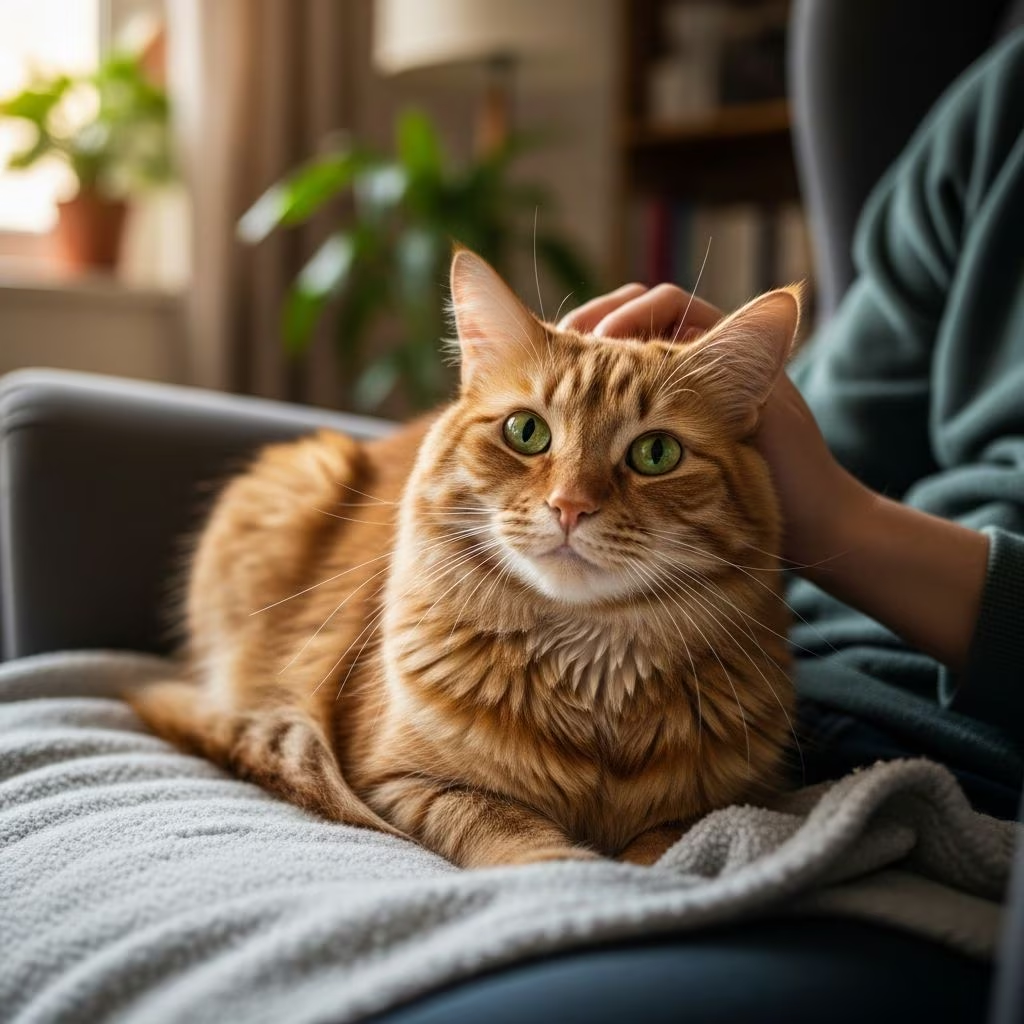
Why Is My Cat So Clingy? Understanding Feline Attachment
Cat clinginess is often due to a health problem, anxiety issue, or new situation in the household. While cats certainly like their owners and become attached to humans, they are not particularly clingy like dogs or other pets are. However, if your cat becomes more clingy than usual or disrupts your everyday life, you may have an issue that requires attention. Understanding the underlying causes of clingy cat behavior is essential for providing your feline friend with the care and support they need.
Signs Your Cat Is Clingy
If you are a new cat owner, knowing the difference between a typical cat and a clingy one can be challenging. Recognizing these behaviors is the first step toward understanding your cat’s needs and addressing any underlying issues. Here are some common signs of an overly clingy cat:
- The cat follows you everywhere, including to the bathroom and other private spaces.
- The cat meows loudly or scratches when they are not allowed to follow you.
- The cat always rubs against you, seeking constant physical contact.
- The cat sits on objects while you are using them, disrupting your activities.
- The cat will not eat or drink without you being present.
- The cat becomes excessively vocal and demanding for attention.
- The cat acts shy and stays by your side when visitors are over.
- The cat sulks or hides when you are getting ready to leave.
5 Vet-Reviewed Reasons Your Cat Is Clingy
1. Separation Anxiety
A cat can become overly clingy because they have separation anxiety or another issue relating to nervousness. Although cats do not tend to experience separation anxiety as severely as other pets, more sensitive cats can certainly have separation anxiety that manifests through clinginess. When there are sudden changes or a cat’s previous trauma gets triggered, they can experience heightened separation anxiety.
Separation anxiety in cats can manifest as destructive behavior, frequent vocalizations, trying to escape, and excessive grooming while their cat parent is away. Once the cat’s pet parent returns, the cat may show increased excitement followed by sudden clingy behavior. The cat may seek constant companionship from their pet parent, displaying behaviors such as vocalizing, pacing, or staying close to their owner to feel safe and reassured when they sense an impending separation.
Prevention Tip: The easiest way to prevent separation anxiety in cats is to socialize and play with them when they are young. Cats with separation anxiety tend to feel insecure or unsafe during their earlier days. Playing with your cat frequently will do a lot to prevent this issue from coming up.
2. Health Problems
Many cats will go to great lengths to hide that they are injured or sick in any way, but not all domesticated cats do this. In contrast, some cats will do the opposite and become clingy because they are looking for safety and help from you. Illness can cause a cat to become clingy as they seek comfort while they feel unwell or in pain.
When feeling unwell, cats may instinctively gravitate toward their human companions for warmth and support. This is their way of communicating that something is wrong. If your cat is clingy due to health problems, you will likely see other signs of an illness accompanying this behavior.
Warning Signs of Health Issues:
- Weight loss or unexpected changes in body condition
- Lack of appetite or changes in eating habits
- Lethargy and unusual tiredness
- Seizures or other neurological symptoms
- Changes in bathroom habits
- Vomiting or diarrhea
If you notice these symptoms alongside clinginess, contact your veterinarian immediately for a thorough examination.
3. Stress and Environmental Changes
Cats like sticking to routines. If you have a change that causes stress in their home, they may become clingy to regain some of that normalcy and feel secure. Cats are creatures of habit, and disruptions to their environment can trigger anxiety and clingy behavior.
Common Stressors That May Cause Clinginess:
- A new visitor comes into the home unexpectedly
- A storm outside or severe weather conditions
- Fireworks going off during holidays or celebrations
- Moving to a new house or major home renovations
- Changes in your work schedule or routine
- Loud noises or unfamiliar sounds in the environment
During these times, your cat may become clingy seeking your protection and reassurance. Understanding that stress is a legitimate trigger for clinginess can help you respond with patience and care.
4. New Family Members
A more specific instance of a cat becoming clingy from stress is the introduction of a new family member. As mentioned previously, cats do not like to change their routines. Adding a new family member—whether a new baby, another pet, or a new roommate—is a huge routine change that may cause your cat to feel stressed and less appreciated.
It is much easier to detect this as being the cause. Suppose your cat seemed to change after introducing a new family member. In that case, they are likely clingier because they feel stressed or less appreciated because of the new family member. Your cat may fear losing your attention and affection to the newcomer, leading to increased dependence on you.
5. Boredom and Attention Seeking
Boredom in cats can significantly impact their behavior, leading to increased clinginess as they seek stimulation and interaction. Cats that lack mental and physical engagement may become restless and look to their owners for entertainment. This desire for attention can result in them following their owners closely, pawing at them for playtime, or even exhibiting annoying behaviors to prompt a response, making them seem overly needy.
When your cat is bored, they simply want to play or cuddle with you. Boredom will often be the simplest and most likely reason for clingy behavior, so before jumping to serious conclusions, make sure to give your cat some mental stimulation.
How to Reduce Your Cat’s Clinginess
1. Give Them More Attention
Giving your cat more regular attention will do the trick in many cases. It is especially true if your cat becomes clingy after a new addition to the family or if it is boredom. Give them more attention and do so at the same time every day to get into a routine. This consistency helps your cat feel secure and know when to expect your undivided attention.
When you are giving them attention, try to incorporate mentally stimulating toys so that they are thoroughly entertained and engaged. Laser pointers, feather wands, and catnip toys are great for providing your cat with attention while making them use their brains. Interactive play sessions not only combat boredom but also strengthen your bond with your feline companion.
2. Consult Your Veterinarian
If your cat’s clinginess is sudden or accompanied by other behavioral or physical changes, it is crucial to consult your veterinarian. A trusted vet can confirm whether separation anxiety or an underlying health condition is present and recommend the next steps needed. Your vet can rule out medical issues and provide specialized advice for behavioral concerns.
3. Maintain Consistent Routines
Since cats thrive on routine, maintaining consistent daily schedules for feeding, playtime, and your own comings and goings can help reduce anxiety-related clinginess. Try to keep your cat’s environment stable and make any necessary changes gradually to allow them time to adjust.
4. Do Not Make Leaving or Entering Your Home a Big Fuss
For clingy cats with separation anxiety, try not to make a big fuss whenever you are leaving or entering the home. If you shower them with attention before leaving, they may become clingier because they see it as a sign that you are leaving. In contrast, making a big deal when you come home makes your entrance overly stimulating, forcing them to be stressed when you leave.
Instead, practice low-key departures and arrivals. Leave quietly without extended goodbyes, and greet your cat calmly when you return home. This approach helps your cat understand that your departures are normal and not something to fear.
Understanding Your Cat’s World
Cats can become clingy for many reasons, and the exact treatment will depend on the reason why your cat is clingy. Remember to be patient and understanding no matter how you choose to reduce your cat’s clinginess. Most of their world revolves around you, and it makes sense that they can get a bit clingy occasionally. Your cat’s clinginess is often a sign that they value your companionship and feel secure with you.
By taking the time to understand the underlying causes of clingy behavior and implementing appropriate solutions, you can help your cat feel more confident, secure, and content. Whether it is a health concern, anxiety issue, or simple boredom, addressing the root cause will lead to a happier and healthier relationship with your feline friend.
Frequently Asked Questions About Clingy Cats
Q: Is clingy behavior normal in cats?
A: While cats are generally more independent than dogs, some level of attachment to their owners is normal. However, excessive clinginess that disrupts your daily life or is accompanied by other symptoms may indicate an underlying issue that requires attention.
Q: How can I tell if my cat’s clinginess is due to a health problem?
A: If your cat’s clinginess is accompanied by other signs such as weight loss, loss of appetite, lethargy, vomiting, or changes in bathroom habits, it is important to consult your veterinarian promptly. These symptoms can indicate an underlying health issue.
Q: Can cats have separation anxiety like dogs?
A: Yes, although cats do not typically experience separation anxiety as severely as dogs, sensitive cats can definitely develop separation anxiety. It may manifest as excessive vocalization, destructive behavior, or clinginess when their owners are present or about to leave.
Q: What should I do if my cat becomes clingy after a major change?
A: Give your cat extra attention and maintain consistent routines. Make changes gradually if possible, and provide plenty of mental stimulation through interactive play. Be patient as your cat adjusts to the new situation.
Q: Are certain cat breeds more clingy than others?
A: Yes, some cat breeds are naturally more affectionate and clingy than others. Breeds like Siamese, Bengal, and Maine Coons tend to be more attached to their owners. However, individual personality plays a significant role regardless of breed.
Q: How much playtime does my clingy cat need?
A: Most cats benefit from at least 15-30 minutes of interactive play per day. For clingy cats, multiple shorter play sessions throughout the day can be more effective at preventing boredom and reducing clinginess.
References
- Why Is My Cat So Clingy? 5 Vet Reviewed Reasons for This Behavior — Catster. Accessed January 15, 2026. https://www.catster.com/cat-behavior/why-is-my-cat-clingy/
- Why is My Cat so Clingy: 8 Reasons [Ask a Vet] — Splot Vets. Accessed January 15, 2026. https://www.splootvets.com/post/why-is-my-cat-clingy-suddenly
- 5 Vet-Reviewed Reasons Why Your Cat Won’t Leave You Alone — Catster. Accessed January 15, 2026. https://www.catster.com/cat-behavior/why-your-cat-wont-leave-you-alone/
- Why Does My Cat Follow Me Everywhere? 6 Vet-Reviewed Reasons — Catster. Accessed January 15, 2026. https://www.catster.com/cat-behavior/why-does-my-cat-follow-me/



