

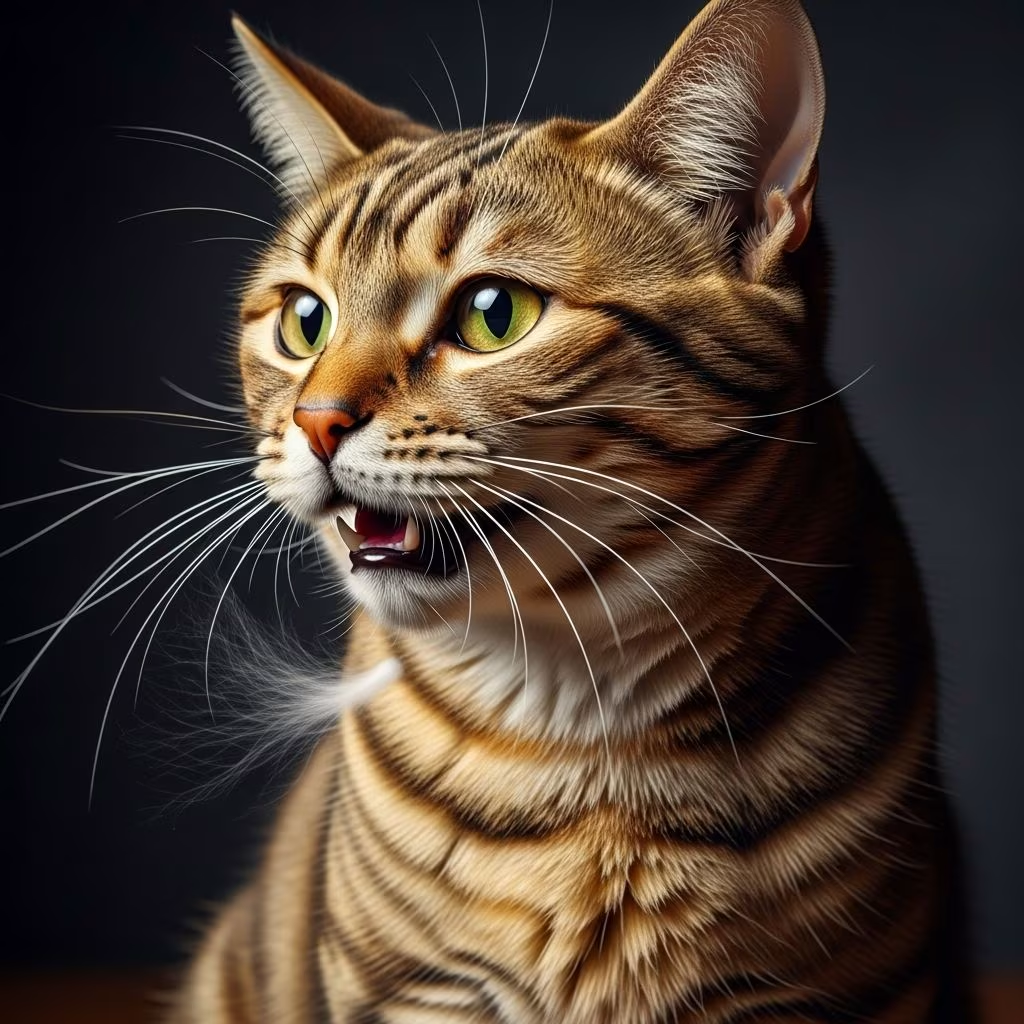
Why Is My Cat Breathing So Hard?
Hearing your cat struggle to breathe can be distressing for any pet owner. Heavy or labored breathing in cats is never something to ignore, as it often indicates an underlying health condition that requires professional medical evaluation. Understanding the potential causes of difficult breathing in your feline companion is the first step toward getting them the care they need.
Heavy breathing in cats is considered a medical emergency that requires immediate veterinary attention. While some causes may be less serious than others, any persistent change in your cat’s breathing pattern warrants a prompt visit to your veterinarian. This guide will help you understand the most common reasons why your cat might be breathing heavily and what steps you should take.
Common Signs of Heavy Breathing in Cats
Before exploring the causes, it’s important to recognize what heavy breathing looks like in cats. Cats normally breathe quietly and rhythmically, so any noticeable changes should alert you to a potential problem.
Common signs of heavy breathing include:
- Open mouth breathing or panting
- Rapid or increased respiratory rate
- Noisy breathing, including wheezing, whistling, or grunting
- Coughing or gagging
- Abdominal breathing, where the sides of the chest and abdomen move in and out rapidly with each breath
- Lowered or extended head and neck position while breathing
- Flaring nostrils
- Shallow or labored breaths
More severe symptoms that indicate an emergency include weakness or collapse, blue-tinged gums or tongue (indicating poor oxygenation), lethargy, and unusual sleepiness. If you notice any of these signs, contact your veterinarian immediately or visit an emergency animal hospital.
The Three Most Common Causes of Heavy Breathing in Cats
According to veterinary experts, three conditions are responsible for the majority of heavy breathing cases in cats. Understanding these primary causes can help you better assess your cat’s condition.
Feline Asthma
Feline asthma is the most common cause of breathing difficulties in cats. This condition involves severe inflammation and narrowing of the airway, making it difficult for air to reach the lungs. Cats with asthma often exhibit heavy, labored breathing with an open mouth, along with panting, wheezing, and coughing.
Asthma attacks can be triggered by various environmental factors, including strong odors, cigarette smoke, pollen, dust, and even dusty cat litter. The condition is more common in certain breeds and typically affects middle-aged cats, though cats of any age can develop it.
While feline asthma cannot be cured, it can be effectively managed with medication. Treatment typically involves corticosteroids to reduce inflammation and bronchodilators to open the airways, allowing your cat to breathe more comfortably. Your veterinarian can help you develop a management plan tailored to your cat’s specific needs.
Congestive Heart Failure (CHF)
Congestive heart failure causes heavy breathing by allowing fluid to accumulate in the lungs, a condition called pulmonary edema. When the heart cannot pump blood efficiently, fluid backs up into the lungs, making it extremely difficult for your cat to breathe.
CHF most frequently affects older cats and may also cause the heart to enlarge, further compromising breathing ability. Cats with heart failure often exhibit rapid breathing, coughing, lethargy, and sometimes fainting spells. Early diagnosis is crucial for managing this serious condition effectively.
Treatment for CHF depends on the underlying heart problem but typically includes medications to help the heart pump more efficiently, reduce excess fluid, and dilate blood vessels to improve circulation.
Pleural Effusion
Pleural effusion is an abnormal accumulation of fluid in the space surrounding the lungs. This fluid buildup creates pressure on the lungs and reduces the available space for them to expand and fill with oxygen. The result is rapid, labored breathing and difficulty getting adequate oxygen.
Pleural effusion can occur independently or as a secondary condition related to heart disease or other underlying problems. Treatment may involve draining the excess fluid and addressing the underlying cause of the accumulation.
Other Respiratory and Health-Related Causes
Respiratory Infections
Upper respiratory infections (URIs) are among the most common causes of breathing difficulties in cats. These infections, caused by bacteria or viruses, inflame the nasal passages, throat, or lungs, leading to congestion and noisy breathing.
Many respiratory infections begin as viral infections and progress to secondary bacterial infections, which require antibiotic treatment. While some cats recover with supportive care alone, others develop complications like pneumonia or chronic respiratory conditions that need ongoing medical management.
Supporting a cat recovering from respiratory infection includes providing a humidifier or steam to help loosen mucus, ensuring adequate nutrition and hydration, and maintaining a quiet, stress-free environment.
Heartworm Disease
Heartworm is a highly preventable but serious condition that often causes breathing difficulties in cats. This parasitic disease can be fatal if left untreated, making prevention essential.
Cats contract heartworm through mosquito bites, and prevention is far more effective than treatment. Monthly heartworm prevention medication is recommended for cats, especially those with outdoor access. If your cat develops heartworm disease, treatment includes supportive care with corticosteroids to reduce inflammation and oxygen therapy in severe cases.
Hydrothorax
Hydrothorax is characterized by fluid accumulation in and around the lungs, similar to pleural effusion but often related to heart problems. Affected cats exhibit deep, rapid breathing, coughing, and panting.
Treatment typically involves draining the excess fluid and administering medications that help dilate blood vessels, eliminate excess fluid, and improve heart function. Managing the underlying heart condition is essential for preventing fluid reaccumulation.
Trauma or Injury
Physical trauma to the chest, lungs, or heart can cause immediate breathing difficulties. Injuries from accidents, falls, or fights may result in internal bleeding, collapsed lungs, or other serious complications.
Any cat that has experienced trauma should receive immediate veterinary evaluation, even if breathing difficulties don’t appear immediately after the incident.
Less Common Causes of Heavy Breathing
While less frequently encountered, several other conditions can cause heavy breathing in cats:
- Anemia: A low red blood cell count reduces oxygen-carrying capacity, causing cats to breathe faster to compensate
- Allergies: Severe allergic reactions can trigger inflammation and respiratory distress
- Airway Obstruction: Foreign objects, tumors, or growths can block airways and restrict airflow
- Lung or Chest Tumors: Cancer can obstruct airways or restrict lung expansion
- Neurologic Disorders: Some nervous system conditions affect normal breathing patterns
- Pain or Inflammation: Severe pain from any cause can lead to rapid, shallow breathing
- Abdominal Enlargement: Conditions that enlarge the abdomen can restrict lung expansion
- Hypoxemia: Abnormally low oxygen levels in the blood trigger compensatory rapid breathing
Stress and Anxiety-Related Breathing Changes
Not all cases of rapid breathing are caused by serious medical conditions. Stress and anxiety can trigger temporary increases in breathing rate in cats. Environmental changes, loud noises, visits to the veterinarian, or introduction of new pets may cause stress-induced rapid breathing.
However, stress-related breathing changes typically resolve once the cat calms down. If rapid breathing persists after the stressful situation has passed, a medical cause should be investigated.
When to Seek Emergency Veterinary Care
Certain signs indicate that your cat needs immediate emergency veterinary attention:
- Severe difficulty breathing or gasping for air
- Weakness or collapse
- Blue or pale gums and tongue
- Loss of consciousness
- Open mouth breathing that persists
- Sudden onset of severe breathing difficulty
- Inability to move normally due to respiratory distress
If your cat displays any of these emergency signs, do not delay. Transport them to an emergency veterinary clinic immediately. Time is critical in respiratory emergencies, and professional medical intervention can be life-saving.
What You Can Do at Home
While waiting for veterinary care or to help a cat recovering from respiratory issues:
- Check the airway: Make sure your cat is not choking on a foreign object. If you notice something in the throat, do not attempt removal if it’s lodged deeply—seek immediate veterinary help
- Provide a calm environment: Minimize stress and keep noise levels low to avoid triggering additional respiratory distress
- Ensure good air quality: Avoid smoking, strong perfumes, and other irritants that could worsen breathing
- Use a humidifier: For cats with congestion from infections, a humidifier or steam from a shower can help loosen mucus
- Keep fresh water available: Hydration supports overall health and can help loosen secretions
- Avoid restraint: Minimize handling that could increase stress and respiratory difficulty
However, the most important action you can take is to seek professional veterinary care. Heavy breathing always requires professional evaluation to determine the underlying cause and initiate appropriate treatment.
Diagnosis and Treatment
Your veterinarian will perform a thorough physical examination and may recommend diagnostic tests to identify the cause of heavy breathing. Common diagnostic tools include:
- Chest X-rays to visualize the lungs and heart
- Ultrasound to evaluate heart structure and function
- Blood tests to check for anemia, infection, or other systemic conditions
- Oxygen saturation monitoring
- ECG (electrocardiogram) to assess heart rhythm and function
Treatment varies depending on the underlying cause but may include medications, oxygen therapy, fluid drainage, or in some cases, surgery. Your veterinarian will discuss treatment options and prognosis based on your cat’s specific diagnosis.
Prevention Strategies
While not all respiratory conditions can be prevented, several steps can reduce your cat’s risk:
- Provide monthly heartworm prevention: This simple preventive measure can save your cat’s life
- Maintain a clean environment: Use dust-free litter, avoid strong odors and smoke, and ensure good air quality
- Regular veterinary checkups: Early detection of heart disease and other conditions improves outcomes
- Manage environmental triggers: Identify and minimize exposure to factors that trigger asthma attacks in your cat
- Maintain a healthy weight: Obesity can worsen respiratory and heart conditions
- Provide appropriate exercise: Regular activity supports cardiovascular health
- Reduce stress: Keep your cat’s environment calm and stable
Frequently Asked Questions
Q: Is heavy breathing always a medical emergency in cats?
A: While some causes of heavy breathing are more serious than others, any persistent or severe heavy breathing should be evaluated by a veterinarian promptly. If your cat shows severe distress, weakness, or bluish gums, seek emergency care immediately.
Q: Can cats recover from asthma?
A: Feline asthma cannot be cured, but it can be effectively managed with medication. Many cats live normal, comfortable lives with proper asthma management and environmental control.
Q: How is congestive heart failure diagnosed in cats?
A: Diagnosis typically involves physical examination, chest X-rays, ultrasound, blood tests, and possibly ECG. Your veterinarian may also measure blood pressure and oxygen levels.
Q: What is the prognosis for a cat with heavy breathing?
A: Prognosis depends entirely on the underlying cause. Some conditions like asthma can be managed long-term, while others like advanced heart disease may have a more limited prognosis. Early diagnosis and treatment improve outcomes.
Q: Can I give my cat over-the-counter medication for breathing problems?
A: No. Heavy breathing requires professional veterinary diagnosis and treatment. Over-the-counter medications may mask symptoms or worsen the underlying condition. Always consult your veterinarian for appropriate treatment.
Q: How often should cats be checked for heart disease?
A: All cats should have annual veterinary checkups, with older cats (over 7 years) receiving more frequent evaluations. Your veterinarian may recommend additional screening based on breed predisposition or symptoms.
References
- Dyspnea (Difficulty Breathing) — Cornell Feline Health Center, College of Veterinary Medicine, Cornell University. 2024. https://www.vet.cornell.edu/departments-centers-and-institutes/cornell-feline-health-center/health-information/feline-health-topics/dyspnea-difficulty-breathing
- Is Your Cat Breathing Heavily? Causes and What To Do — PetMD Editorial. 2024. https://www.petmd.com/cat/symptoms/cat-breathing-heavy
- Heavy Breathing in Cats, What You Need to Do — Hershey Animal Hospital. 2024. https://hersheyanimaler.com/blog/heavy-breathing-in-cats/
- Why is My Cat Breathing Heavy? — Violet Crown Veterinary Specialists. 2024. https://www.violetcrownvet.com/why-is-my-cat-breathing-heavy
- Cat Breathing Fast: What to Know — Black Mountain Animal Hospital. 2024. https://sandiegovets.com/cat-breathing-fast-signs/
- Why is my Cat Breathing Heavy & What Can I Do — Wolfe Animal Hospital. 2022. https://www.wolfeanimal.com/site/blog/2022/12/30/why-is-my-cat-breathing-heavy–what-can-i-do
- Difficult or Labored Breathing in Cats — Maddie’s Fund. 2024. https://www.maddiesfund.org/kb-difficult-or-labored-breathing-in-cats.htm



