

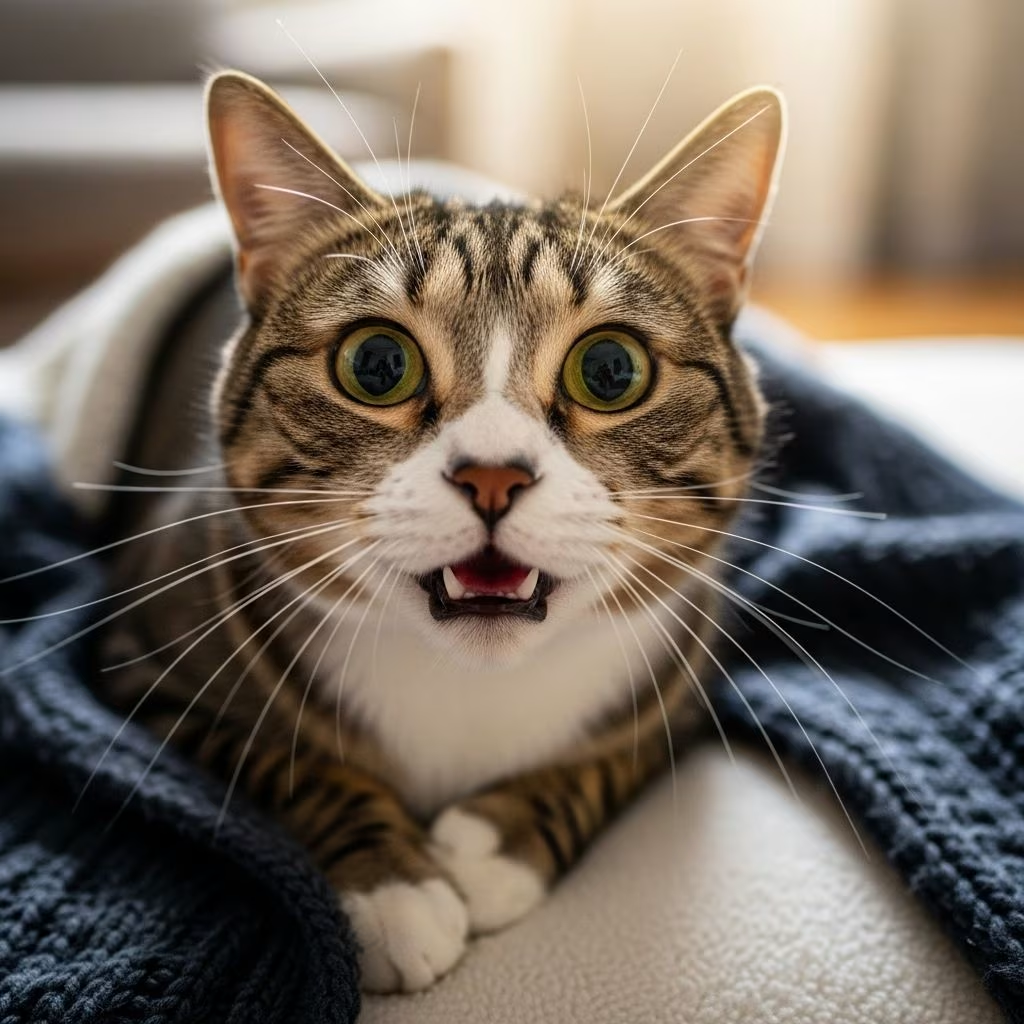
Observing your cat breathing fast, also known as tachypnea, can be alarming for any pet owner. While occasional rapid breathing occurs after play or during stress, persistent or labored respiration often indicates underlying health problems ranging from benign to life-threatening. Understanding normal cat breathing rates—typically 15-30 breaths per minute at rest—helps distinguish harmless episodes from those requiring immediate veterinary attention.
This comprehensive guide explores the reasons behind fast breathing in cats, key symptoms to watch for, diagnostic approaches, treatment options, and prevention strategies. Early recognition can make all the difference in your cat’s health.
What Is a Normal Respiratory Rate for Cats?
A healthy cat at rest breathes 15 to 30 times per minute. Kittens and seniors may have slightly higher rates, up to 40 breaths per minute. To check your cat’s rate, observe their chest or flank movement for one full minute while they are calm and sleeping. Count each rise and fall as one breath.
- Resting rate under 30 bpm: Normal.
- 30-40 bpm: Monitor; could be mild stress or warmth.
- Over 40 bpm at rest: Concerning; over 60 bpm is an emergency.
Factors like age, breed (e.g., brachycephalic cats like Persians breathe faster), and environment influence baseline rates. Always compare to your cat’s usual pattern.
Signs Your Cat Is Breathing Too Fast
Beyond counting breaths, look for distress signals. Cats hide illness well, so subtle changes matter.
- Open-mouth breathing or panting: Rare in cats unless in severe distress; unlike dogs, they prefer nasal breathing.
- Nasal flaring: Nostrils widen with each breath to pull in more air.
- Abdominal breathing: Belly heaves visibly, indicating effortful respiration.
- Loud, noisy breathing: Wheezing, crackling, gurgling, or whistling sounds signal airway issues.
- Blue or pale gums: Indicates oxygen deprivation (cyanosis); emergency.
- Lethargy, restlessness, or hunched posture: Cat may sit with elbows out or neck extended.
- Coughing or gagging: Often accompanies asthma or infections.
If multiple signs appear, act fast—delays can be fatal.
Causes of Rapid Breathing in Cats
Rapid breathing stems from benign triggers or serious conditions. Here’s a breakdown:
Benign or Temporary Causes
- Exertion or overheating: Post-play or in hot environments, breathing normalizes quickly.
- Stress/anxiety: New pets, moves, or noises spike rates temporarily.
- Allergies: Pollen or dust causes inflammation; mild cases resolve with avoidance.
Serious Medical Causes
These demand prompt vet care:
- Respiratory infections: Upper respiratory viruses or pneumonia cause inflammation and fluid buildup.
- Asthma: Chronic airway inflammation leads to wheezing and coughing; affects 1-5% of cats.
- Heart disease: Cardiomyopathy (15% prevalence) causes pulmonary edema, fluid in lungs.
- Anemia: Low red blood cells reduce oxygen delivery, forcing faster breathing.
- Pleural effusion: Fluid around lungs restricts expansion.
- Heartworm or tumors: Obstruct airways or damage lungs.
- Pain, trauma, or toxins: Injury or poisoning triggers compensatory tachypnea.
- Hypoxemia: Low blood oxygen from any cause.
| Category | Examples | Severity | Action |
|---|---|---|---|
| Benign | Stress, heat | Low | Monitor |
| Moderate | Asthma, allergies | Medium | Vet visit |
| Emergency | Heart failure, effusion | High | Immediate ER |
When Is Fast Breathing an Emergency?
Rush to an emergency vet if:
- Rate exceeds 60 bpm at rest.
- Open-mouth breathing, blue gums, or collapse.
- Combined with lethargy, vomiting, or refusal to eat.
- Sudden onset without obvious trigger.
Conditions like pleural effusion or pulmonary thromboembolism can kill within hours.
How Vets Diagnose Rapid Breathing in Cats
Veterinarians start with a physical exam, then:
- History and observation: Rate, triggers, other symptoms.
- X-rays/ultrasound: Check lungs, heart, fluid.
- Bloodwork: Detect anemia, infection, heart markers.
- Echocardiogram: For heart issues.
- Oxygen levels: Pulse oximetry.
Diagnosis guides targeted treatment.
Treatment for Cats Breathing Fast
Treatment varies by cause:
- Oxygen therapy: Stabilizes critical cases.
- Medications: Bronchodilators/steroids for asthma; antibiotics for infections.
- Fluid drainage: Thoracentesis for effusions.
- Heart meds: Diuretics, ACE inhibitors.
- Supportive care: Pain relief, fluids.
Prognosis depends on early intervention; asthma is manageable long-term.
How to Help Your Cat Breathe Easier at Home
While awaiting vet care:
- Keep in a cool, quiet, stress-free area.
- Ensure good ventilation; use a humidifier for dry air.
- Avoid smoke, strong scents, litter dust.
- Monitor closely; do not offer human meds.
For chronic issues like asthma, reduce allergens with low-dust litter and air purifiers.
Prevention Tips for Respiratory Health in Cats
- Vaccinate against respiratory viruses.
- Heartworm preventives.
- Regular vet checkups for early detection.
- Maintain ideal weight to ease breathing.
- Minimize stress with enrichment.
Frequently Asked Questions (FAQs)
Is it normal for my cat to breathe fast after playing?
Yes, temporarily. It should return to normal within minutes. Persistent fast breathing warrants a check.
Why is my cat breathing fast but eating normally?
Early stages of issues like anemia or mild asthma may not affect appetite yet. Still, get it checked.
Can stress alone cause long-term rapid breathing?
No, chronic tachypnea indicates medical problems. Address stressors but seek vet evaluation.
What does open-mouth breathing mean in cats?
It’s a red flag for distress, often requiring emergency care.
How do I count my cat’s breathing rate accurately?
Watch flank movement for 60 seconds at rest. Use a phone timer.
Fast breathing in cats demands vigilance. By recognizing signs and acting swiftly, you can safeguard your pet’s health. Consult your vet for personalized advice.
References
- Cat Breathing Fast: What to Know — Black Mountain Animal Hospital. 2023. https://sandiegovets.com/cat-breathing-fast-signs/
- Why is my cat breathing so fast? — Plains Vets. 2024-07-15. https://www.northeast-vet.com/site/pet-care-blog-plains-vet/2024/07/15/cat-breathing-fast
- Why is my cat breathing so fast and shallow? — Edgewater Vets. 2022-09-30. https://www.animal-general.com/site/blog/2022/09/30/cat-breathing-fast-shallow
- Fast Breathing in Cats: Emergency Signs & What to Do — Noah Vets. 2023. https://www.noahvets.com/fast-breathing-cats-emergency-guide/
- Why is my cat breathing fast but otherwise seems ok? — Advanced Care Animal Clinic. 2022-10-15. https://www.advancedcareanimalclinic.com/site/blog/2022/10/15/cat-breathing-fast
- Rapid Breathing (Tachypnea) – Cats — Vetster. 2024. https://vetster.com/en/symptoms/cat/rapid-breathing-tachypnea-cats



