

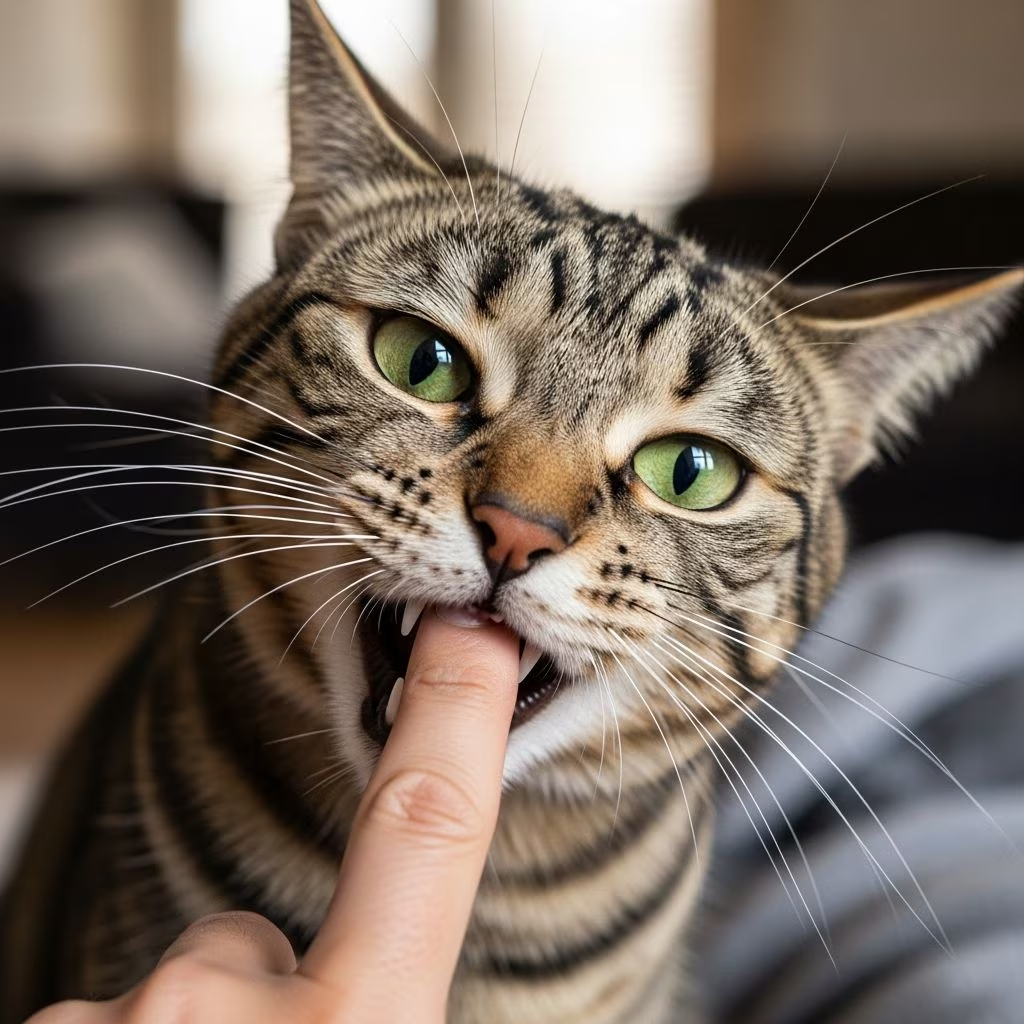
Sudden biting from your cat can catch you off guard, turning affectionate moments into painful surprises. This behavior often stems from instinctual responses, environmental changes, or underlying health concerns that prompt cats to use their teeth as a form of communication. Recognizing the triggers is key to addressing the issue without escalating tension.
Decoding the Sudden Shift in Your Cat’s Demeanor
Cats communicate primarily through body language and subtle cues, but biting emerges when those signals go unnoticed. A once-docile companion might lash out due to accumulated stress or unmet needs. Observing patterns—such as when, where, and how the biting occurs—helps pinpoint the cause. For instance, bites during petting sessions differ vastly from those triggered by household noises.
Environmental factors play a significant role. Recent additions like new pets, furniture rearrangements, or even loud construction can unsettle a cat’s sense of security, leading to defensive snaps. In multi-pet homes, resource guarding over food bowls or litter boxes may manifest as redirected aggression toward humans.
Primary Triggers Behind Unexpected Cat Bites
Understanding the root causes allows for targeted interventions. Cats bite for reasons ranging from benign play to serious discomfort, each requiring a distinct approach.
Overstimulation: When Affection Turns Tense
Petting feels good until it doesn’t. Cats possess sensitive nerve endings, especially along their backs and tails. Prolonged stroking overwhelms their sensory limits, prompting a bite to say “enough.” Watch for warning signs like tail twitching, ear flattening, or skin rippling—these precede the chomp.
Such reactions intensify if you ignore initial signals. Certified behaviorists note that petting from head to shoulders aligns better with a cat’s preferences, avoiding the spine where overstimulation builds rapidly.
Playful Instincts Gone Awry
Kittens hone hunting skills through sibling roughhousing, learning bite inhibition. Early-weaned or solo-raised cats miss this lesson, treating human hands as toys into adulthood. Sudden pounces on moving feet or fingers signal this misdirected play drive.
Indoor lifestyles amplify the issue, as cats channel pent-up energy without outlets. Boredom-fueled “zoomies” often end in nips, mimicking prey capture.
Fear, Stress, and Defensive Responses
A perceived threat—be it a stranger, vacuum roar, or trapped feeling—triggers survival mode. Cats prefer flight over fight, but cornering forces aggression. Hissing, arching, and pupil dilation precede bites in anxious felines.
Stressors like vet visits or household upheavals compound this. In multi-cat setups, inter-cat tensions spill over, with bites aimed at owners carrying rival scents.
Health-Related Causes You Can’t Ignore
Sudden behavioral shifts often mask medical problems. Pain from abscesses, arthritis, dental disease, or hyperthyroidism lowers tolerance thresholds, turning gentle pets into snappy ones. Feline hyperesthesia syndrome heightens skin sensitivity, causing twitchy, bite-prone reactions.
Rule out illness first. A vet exam, including bloodwork, identifies issues like infections or neurological conditions prompting defensive biting. Untreated pain perpetuates a cycle of aggression.
| Health Issue | Symptoms | Why It Leads to Biting |
|---|---|---|
| Arthritis | Limping, reluctance to jump | Pain on touch triggers snaps |
| Dental Abscess | Drooling, bad breath | Head sensitivity causes defensive bites |
| Hyperesthesia | Skin rippling, frantic grooming | Overwhelming tactile discomfort |
| Hyperthyroidism | Weight loss, hyperactivity | Irritability from metabolic imbalance |
Practical Strategies to Curb the Biting
Prevention beats reaction. Tailor solutions to the trigger for lasting results.
- Redirect Play Energy: Offer wand toys, laser pointers, or crinkle balls to satisfy hunting urges. Sessions of 10-15 minutes twice daily tire them out constructively.
- Master Petting Protocols: Limit strokes to 3-5 per session, focusing on cheeks and chin. Pause at tension signs; resume only if relaxed.
- Create Safe Spaces: Provide elevated perches, hiding boxes, and pheromone diffusers to reduce stress. Vertical territory eases multi-cat rivalries.
- Enrich the Environment: Puzzle feeders, window perches, and scratching posts combat boredom. Rotate toys to maintain novelty.
- Train with Positive Reinforcement: Reward calm behavior with treats. Ignore or calmly withdraw during bites to avoid reinforcing them.
Handling Multi-Cat Dynamics
In shared homes, separate resources: one per cat plus extras for food, water, litter, and beds. Slow introductions prevent dominance disputes. Monitor for bullying via frozen stares or swatting.
Advanced Interventions for Persistent Cases
If basics fail, escalate thoughtfully. Medication like anti-anxiety drugs may suit severe cases, prescribed post-vet behavioral assessment. Professional consultants analyze videos of incidents for customized plans.
Never punish—yelling heightens fear, worsening bites. Consistency across household members ensures unified messaging.
FAQs: Common Questions on Cat Biting
Why does my cat bite then lick me?
This “love bite” sequence indicates overstimulation during grooming-like affection. The lick bonds; the bite signals overload. Redirect to toys and shorten sessions.
Is sudden biting always a health red flag?
Not always, but new patterns warrant a vet check. Pain mimics behavioral issues, and early detection prevents escalation.
How long until training works?
Expect 2-4 weeks of consistent effort. Track progress in a journal to adjust tactics.
Should I declaw my biter?
No—declawing doesn’t stop biting and causes chronic pain. Address roots instead.
Can spaying/neutering reduce biting?
It curbs hormone-driven aggression but not play or fear bites. Combine with behavior mods.
Building a Bite-Free Bond Long-Term
Patience fosters trust. Daily routines respecting cat boundaries—scheduled play, quiet zones, health monitoring—minimize surprises. Celebrate small wins like voluntary cuddles.
Your cat’s bites are communications, not malice. Decoding them strengthens companionship, turning potential conflicts into deeper understanding.
References
- Aggression in Cats — ASPCA. 2023-05-15. https://www.aspca.org/pet-care/cat-care/common-cat-behavior-issues/aggression-cats
- 9 Reasons Why Your Cat Bites You — GoodRx. 2024-08-20. https://www.goodrx.com/pet-health/cat/why-does-mycat-bite-me
- Why do cats bite and how can it be prevented? — The Cat Behavior Clinic. 2023-11-10. https://www.thecatbehaviorclinic.com/why-do-cats-bite-and-how-can-it-be-prevented/
- Why does my cat bite me? — Cats Protection. 2024-02-14. https://www.cats.org.uk/cats-blog/why-does-my-cat-bite-me
- Cat Love Bites: Why They Happen and How To Respond — PetMD. 2023-09-28. https://www.petmd.com/cat/behavior/cat-love-bites



