
Why Is My Cat Annoying At Night? 8 Vet Tips To Stop Zoomies
Discover why your cat turns into a nighttime terror and get proven tips to restore your sleep.
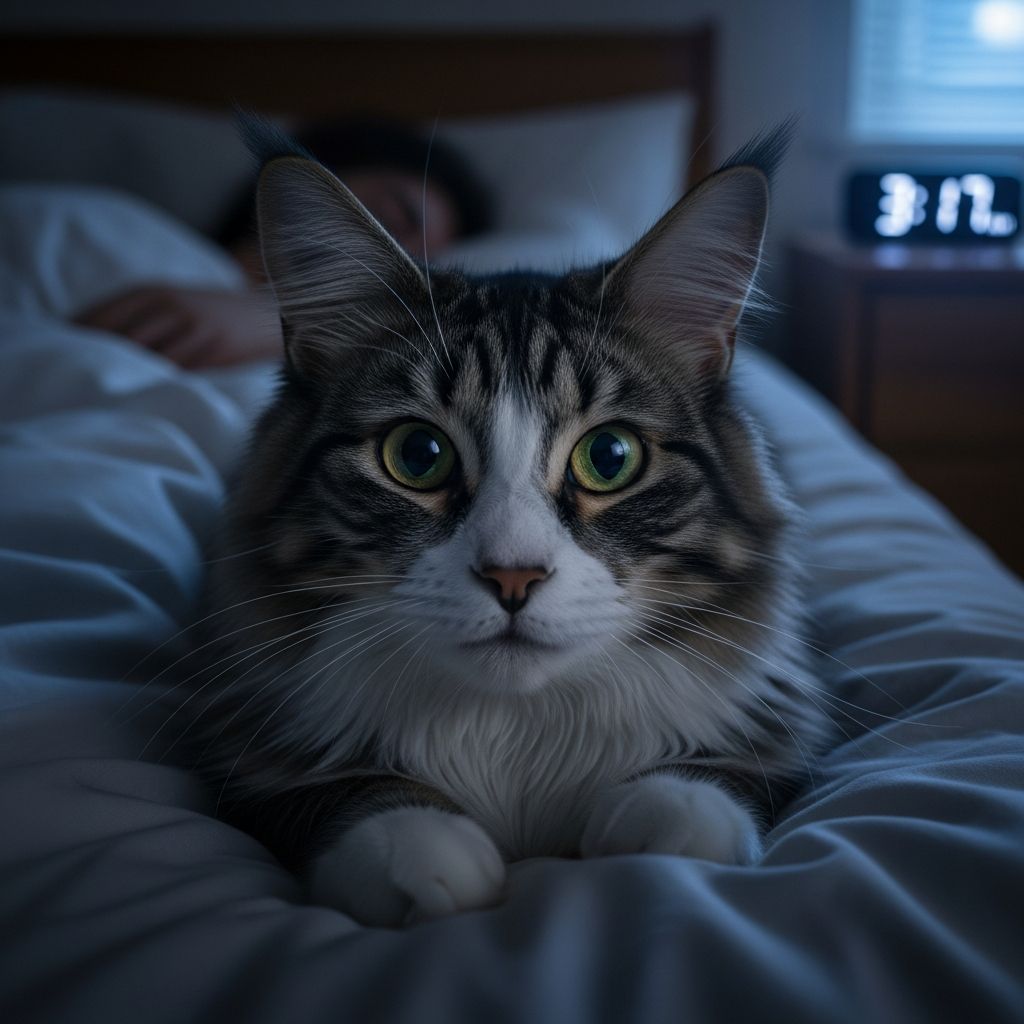
Your peaceful slumber shattered by thundering paws, flying leaps onto the bed, and insistent meows? You’re not alone—many cat owners battle feline nighttime frenzy. Cats’
nocturnal antics
, often called “zoomies” or “night crazies,” stem from their biology, lifestyle, and sometimes health woes. Understanding these triggers empowers you to reclaim your rest without frustration.This comprehensive guide dives into the science of cat crepuscular behavior, common culprits like pent-up energy and boredom, age-related shifts, and medical red flags. You’ll find actionable solutions, from play routines to feeding hacks, backed by veterinary insights. By evening’s end, you’ll have a roadmap to harmonious coexistence.
What Are Cat Zoomies?
**Cat zoomies** refer to sudden, explosive bursts of high-energy activity—frantic running, leaping, pouncing, and twisting through your home, often at 3 a.m. These aren’t random; they’re instinctual outlets mimicking wild hunting sprints. Cats sleep 13-14 hours daily, building energy reserves that demand release.
Zoomies satisfy predatory drives: chasing shadows or toys simulates stalking prey. For indoor cats, this nocturnal release prevents restlessness. While endearing in daylight, nighttime episodes disrupt sleep, prompting owners to seek solutions.
Why Do Cats Get the Zoomies at Night?
Cats aren’t fully nocturnal like owls; they’re
crepuscular
, peaking at dawn and dusk when wild ancestors hunted in low light for active prey. Domestication hasn’t erased this—your couch potato still gears up as you wind down.Crepuscular Nature
Crepuscular activity aligns with cooler temps and prey movement, ideal for stealth hunts. Domestic cats retain this rhythm, ramping up post-sunset despite daytime naps. Indoor life syncs some to human schedules, but instincts prevail, sparking evening vigor.
Hunting Instincts
Evolved as solitary hunters, cats pounce on anything moving—your toes included. Nighttime shadows trigger these reflexes, turning your bedroom into a savanna. Toys mimicking prey curb this, channeling energy productively.
Pent-Up Energy and Boredom
Daytime lounging leaves surplus energy. Bored indoor cats, lacking stimulation, explode at night. Solitary sleepers by day seek interaction then, mistaking your stir for play.
Socialization Levels
Less social than dogs, cats still crave bonds. Under-socialized felines demand attention during their active hours—your bedtime—via zoomies or pouncing.
Feeding and Routine Disruptions
Hunger mimics hunting urges; empty bowls prompt meows and dashes. Inconsistent schedules confuse internal clocks, amplifying night activity.
Environmental Factors Influencing Nighttime Behavior
Your home’s setup sways sleep cycles. Daytime noise (traffic, vacuums) drives sensitive cats to nap, saving energy for quiet nights. Outdoor stimuli like nocturnal critters or storms heighten alertness.
- Quiet Nights Amplify Play: Silence emboldens exploration; provide safe outlets like window perches.
- Overstimulation by Day: Busy households exhaust cats mentally, delaying activity till dark.
- Litter and Resource Placement: Bedroom litter boxes invite midnight visits; relocate for peace.
The Role of Age in Cat Night Activity
Age reshapes rhythms dramatically.
- Kittens and Young Cats: Boundless energy fuels intense zoomies; they test boundaries playfully.
- Adults: Balanced but revert to crepuscular peaks if bored.
- Seniors: Cognitive decline, arthritis pain, or hyperthyroidism spur restlessness, vocalizing, or wandering. Hearing loss ignores your sleep cues.
Monitor changes: sudden spikes signal vet visits.
Health Issues Causing Excessive Night Activity
Not all antics are behavioral—medical culprits lurk.
| Condition | Symptoms | Why Nighttime? |
|---|---|---|
| Hyperthyroidism | Weight loss, thirst, hyperactivity | Metabolic surge peaks evenings |
| Arthritis/Pain | Limping, stiffness | Relief in cooler nights prompts movement |
| Anxiety/Stress | Hiding, over-grooming | Environmental coping via activity |
| Dementia (Fading Kitty Syndrome) | Disorientation, vocalizing | Sleep disturbances common in elders |
Rule out issues with bloodwork; early detection restores calm.
How to Stop Your Cat from Being Active at Night: 8 Vet-Approved Tips
Sync lifestyles with these strategies.
- Evening Play Sessions: 30-60 minutes of hunting games pre-bed exhausts them. Laser pointers, daisy wheels, or feather wands mimic prey.
- Bedtime Feeding: Large meal induces post-dinner sleepiness, curbing hunger wakes.
- Daytime Enrichment: Puzzle feeders, cat trees, window TV (bird videos) tire mentally.
- Consistent Routine: Fixed feed/play/sleep times regulate circadian rhythms.
- Ignore Attention-Seeking: No pets or food for antics; reward quiet.
- Comfortable Sleep Zone: Cozy bed away from yours prevents disturbances.
- Calming Aids: Pheromone diffusers or vet-prescribed supplements for stress.
- Vet Check: Persistent issues? Screen for thyroid or pain.
Frequently Asked Questions (FAQs)
Why is my cat so hyper at night?
Crepuscular instincts, excess energy from day naps, boredom, or hunger drive hyperactivity. Play and feed before bed to align schedules.
How do I tire my cat out at night?
Intense evening play (15-30 mins), followed by dinner. Provide overnight toys like kickers.
Is it normal for cats to be active at night?
Yes, naturally crepuscular, but excessive activity may signal boredom or health issues.
Why does my senior cat yowl at night?
Cognitive dysfunction, pain, or sensory loss disrupts sleep. Consult a vet for management.
Will my cat grow out of nighttime zoomies?
Kittens often mellow by 2-3 years, but routines prevent adult persistence.
References
- Cat Zoomies: Why Cats Are So Energetic At Night — Triangle Animal Clinic. 2023. https://triangleanimalclinic.com/blog/cat-zoomies/
- Nighttime Activity in Cats — WebMD. 2024-10-15. https://www.webmd.com/pets/cats/nighttime-activity-cats
- Why Does My Cat Run Around At Night? — Freshpet. 2024. https://www.freshpet.com/blog/why-does-my-cat-run-around-at-night
- Nocturnal Behavior (Cats) — San Francisco SPCA. 2023. https://www.sfspca.org/resource/nocturnal-behavior/
- Cat Behavior Problems – Nocturnal Activity — VCA Animal Hospitals. 2024. https://vcahospitals.com/know-your-pet/cat-behavior-problems—nocturnal-activity
- Cat Behavior Problems: Nocturnal Activity — Arch Animal Hospital West. 2023. https://archanimalhospitalwest.com/cat-behavior-problems-nocturnal-activity/
Similar Articles








Read full bio of medha deb


