

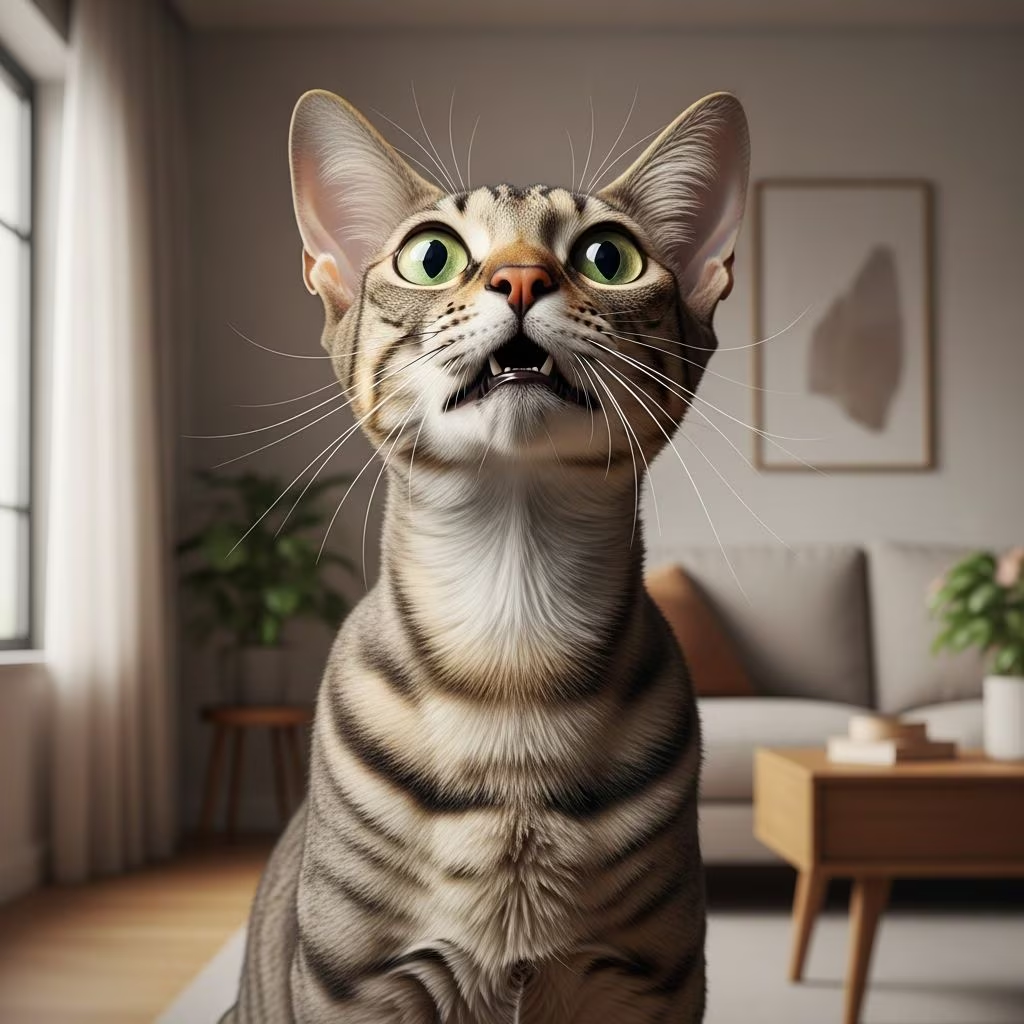
Observing your cat eagerly devouring meals yet maintaining a skinny frame can be alarming for any pet owner. This paradoxical behavior—**increased appetite paired with weight loss**—often signals an underlying health issue rather than simple gluttony. Common in older cats but possible at any age, these symptoms warrant prompt veterinary attention to prevent serious complications. In this comprehensive guide, we’ll explore the six primary causes, drawing from veterinary expertise to help you understand symptoms, diagnosis, and treatment options.
The 6 Causes of Weight Loss Despite a Good Appetite
Cats with a voracious appetite but persistent thinness are typically burning calories faster than they can consume them or failing to absorb nutrients properly. Here’s a breakdown of the most frequent culprits:
1. Cat Hyperthyroidism
**Hyperthyroidism** stands out as the classic example of a hungry yet skinny cat, especially in seniors over 10 years old. This condition arises when the thyroid gland in the neck overproduces thyroxine, a hormone regulating metabolism, often due to a benign adenoma (growth). Rarely, it’s thyroid adenocarcinoma (cancer).
Symptoms extend beyond hunger: dramatic weight loss (up to 20% body weight), increased thirst and urination, vomiting, diarrhea, hyperactivity or irritability, a racing heart, poor coat quality, and even voice changes or coat color shifts (e.g., black fur turning reddish-brown).
Diagnosis: Vets perform blood tests measuring thyroid hormone (T4) levels, alongside a physical exam checking for an enlarged thyroid and heart irregularities. Elevated T4 confirms the diagnosis.
Treatment Options:
- Medications: Oral drugs like methimazole block hormone production. Twice-daily dosing is required, with regular blood monitoring for side effects like vomiting or liver issues. Affordable but not curative.
- Prescription Diet: Iodine-restricted foods (e.g., Hill’s y/d) halt excess hormone synthesis. Strict adherence—no treats or table scraps—is essential, though palatability varies.
- Radioiodine Therapy: The gold standard, curative in 95% of cases. Cats receive a radioactive iodine injection targeting overactive cells; a 3-7 day hospital stay follows for safety. Costly ($1,500-$3,000) but no lifelong meds needed.
- Surgery: Thyroidectomy removes abnormal tissue. Risks include parathyroid damage affecting calcium levels, suitable for younger cats.
Early intervention restores weight and vitality; untreated cases risk heart disease or kidney strain.
2. Cat Diabetes
Feline **diabetes mellitus** (sugar diabetes) affects 1 in 200-400 cats, mirroring human type 2 more often. Insulin deficiency or resistance prevents cells from using glucose, forcing the body to break down fat and muscle for energy—hence the hunger and skinniness.
Key signs: polyphagia (ravenous hunger), polydipsia (excessive thirst), polyuria (frequent urination), lethargy, weakness, plantigrade stance (walking on hocks), and fruity breath in severe cases. Overweight, inactive cats are prime candidates.
Diagnosis: Blood glucose over 200 mg/dL (persistent highs via curve test), glucosuria on urinalysis, and fructosamine levels rule out stress hyperglycemia.
Treatment:
- Insulin Injections: Glargine or PZI twice daily, with meals. Owners learn to administer; remission possible in 30-50% of early cases via tight control.
- Diet: Low-carb, high-protein foods aid regulation. Weight loss improves insulin sensitivity.
- Monitoring: Home glucometers or vet curves prevent hypoglycemia (low blood sugar).
Untreated, it leads to ketoacidosis (fatal), neuropathy, or blindness. Prognosis excels with compliance.
3. Inappropriate Cat Diet
Not all cases are pathological. An **energy-activity mismatch** occurs when caloric intake doesn’t match needs. Active hunters or playful cats may require 20-50% more food than sedentary ones. Packet guidelines base on ideal weight—adjust up for athletes, down for couch potatoes.
Check portions: Free-feeding suits some, but measured meals prevent over/undereating. Transition foods gradually to avoid GI upset. Poor-quality diets (high fillers, low protein) fail to nourish adequately.
Solution: Consult a vet for body condition scoring (BCS 5/9 ideal). Apps track intake; weigh weekly.
4. Cat Parasites
Intestinal **parasites** like roundworms (Toxocara cati), tapeworms (Dipylidium), or hookworms steal nutrients, causing malnutrition despite appetite. Outdoor hunters or flea-exposed cats are vulnerable; kittens inherit via placenta/milk.
Symptoms: Weight loss, pot-bellied look (roundworms), diarrhea, vomiting, bloody stool, anal scooting, poor coat, lethargy.
Diagnosis/Treatment: Fecal flotation reveals eggs. Broad-spectrum dewormers (pyrantel, praziquantel) every 3 months; monthly preventives for at-risk cats. Flea control curbs tapeworms.
5. Dental Disease
Oral pain from **periodontal disease**, tooth resorption, or fractures reduces effective eating despite hunger. Signs: halitosis, drooling, pawing mouth, dropped food, red gums.
Vets examine under sedation; extractions resolve most. Antibiotics and cleanings prevent recurrence. Daily brushing/toothpaste maintains hygiene.
6. Cat Gastrointestinal Disease
GI disorders like **inflammatory bowel disease (IBD)**, food allergies, exocrine pancreatic insufficiency, or cancers (lymphoma) impair absorption. Appetite persists, but diarrhea, vomiting, or bloating wastes nutrients.
Diagnosis: Ultrasound, endoscopy, biopsies. Treatments: hypoallergenic diets, steroids/immunosuppressants, surgery for masses.
Other Potential Causes
Beyond the core six, consider:
- Chronic Kidney Disease (CKD): Common in elders; nausea masks hunger, but thirst rises. Bloodwork (elevated BUN/creatinine) diagnoses.
- Cancer: Lymphoma or others cachexia induces wasting.
- Stress/Anxiety: New pets, moves suppress eating subtly.
- Medications/Pregnancy: Steroids boost appetite; queens need extra calories.
When to See a Vet
Any unintentional 10% weight loss merits a checkup. Track intake, stool, thirst, and litter clumps. Baseline bloodwork, urinalysis, and fecal exam guide next steps. Early detection boosts outcomes.
FAQs
Q: How much weight loss is concerning in cats?
A: Over 10% in weeks, especially with appetite changes, signals issues. Use BCS charts.
Q: Can hyperthyroidism be cured?
A: Yes, radioiodine or surgery often cures; meds manage lifelong.
Q: Is my active cat just burning calories?
A: Possible, but rule out disease first via vet exam.
Q: How to prevent parasites?
A: Monthly dewormers/flea preventives for outdoor cats.
Q: What’s the prognosis for diabetic cats?
A: Excellent with treatment; many achieve remission.
References
- Why Is My Cat Always Hungry But Still Skinny? Vet Explained — Catster (Ask the Vet). 2023. https://www.catster.com/ask-the-vet/why-is-my-cat-always-hungry-but-still-skinny/
- Why Is My Cat So Skinny? Understanding Cat Weight Loss — TotalVet. 2024. https://total.vet/cbd-cat-too-skinny/
- Why is my cat always hungry? — PDSA. 2023. https://www.pdsa.org.uk/pet-help-and-advice/pet-health-hub/symptoms/why-is-my-cat-always-hungry
- Skinny Thirsty Older Cats — Daisy Street Vets. 2023. https://vet-healthcentre.co.uk/services-2/animals/cats/skinny-thirsty-older-cats.html
- Why Is My Cat Always Hungry: 7 Possible Causes — Petcube. 2023. https://petcube.com/blog/why-is-my-cat-always-hungry/



