

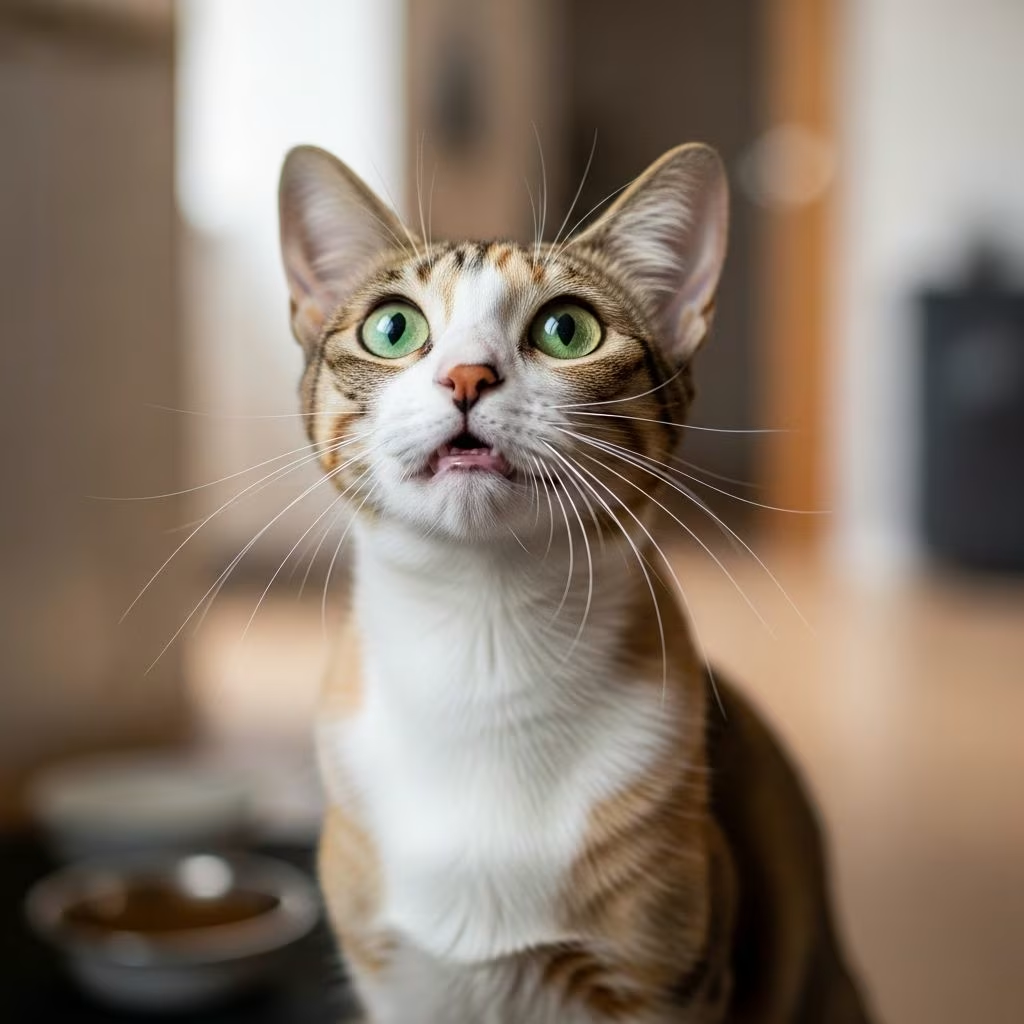
Observing your cat devouring food with insatiable hunger yet remaining skinny or even losing weight is alarming for any pet owner. This paradoxical symptom—known medically as polyphagia with weight loss—often points to underlying health issues rather than simple gluttony. While a voracious appetite might seem benign, it frequently signals conditions like hyperthyroidism, diabetes, or intestinal parasites that demand prompt veterinary attention. According to veterinary sources, cats exhibiting this behavior may experience dramatic weight loss despite increased caloric intake, as their bodies fail to utilize nutrients effectively.
This comprehensive guide mirrors expert veterinary advice, breaking down the six primary causes, diagnostic steps, treatment options, and prevention strategies. Early intervention can restore your cat’s health and prevent life-threatening complications. If your feline friend meows for meals constantly but sports a bony frame, consult a vet immediately—weight loss of more than 10% body weight warrants urgent evaluation.
The 6 Causes of Weight Loss Despite a Good Appetite
Cats with a robust appetite but persistent thinness typically suffer from metabolic, parasitic, or digestive disorders that accelerate calorie burn or hinder absorption. Here’s a detailed look at each culprit, supported by clinical insights.
1. Cat Hyperthyroidism
**Hyperthyroidism** stands as the most classic example of a hungry yet skinny cat, especially in seniors over 10 years old. This condition arises when the thyroid gland in the neck overproduces thyroxine, ramping up metabolism to burn calories at an alarming rate—often 2-3 times normal. Affected cats may lose 20-40% of body weight despite ravenous hunger, sometimes demanding multiple extra meals daily.
Symptoms extend beyond appetite: increased thirst (polydipsia) and urination (polyuria), hyperactivity or irritability, vomiting, diarrhea, a matted coat, and even a heart murmur from elevated cardiac rates. The thyroid often enlarges into palpable nodules (goiter), though rarely malignant (thyroid adenocarcinoma). Risk factors include iodine-rich diets or genetic predisposition, common in breeds like Siamese.
Diagnosis involves blood tests measuring T4 levels, often elevated above 4.0 µg/dL. Treatment options include oral methimazole to suppress hormone production, radioactive iodine (I-131) therapy (90-95% cure rate, outpatient), surgery (thyroidectomy), or dietary management with low-iodine prescription food.
2. Cat Diabetes
**Diabetes mellitus**, or sugar diabetes, affects obese, inactive cats, causing insulin deficiency or resistance. Without proper insulin, glucose can’t enter cells for energy, forcing the body to break down fat and muscle—leading to weight loss despite polyphagia. Cats urinate excessively (up to 500ml/day vs. normal 50ml/kg), drink profusely, and exhibit plantigrade stance (walking on heels).
Type II diabetes predominates in cats (unlike human Type I), reversible in 30-50% cases with early diet and exercise. Symptoms mirror hyperthyroidism but include sweet breath (acetone) and lethargy post-crash. Blood glucose over 400 mg/dL confirms diagnosis via fructosamine tests to rule out stress hyperglycemia.
Treatment: insulin injections (glargine twice daily), low-carb wet food (e.g., <10% carbs), and weight management. Prognosis excels with owner compliance—many achieve remission.
3. Inappropriate Cat Diet
Not all cases are pathological; an **energy-activity mismatch** can mimic disease. Highly active cats (hunters, playful youth) burn 400-600 kcal/day, exceeding standard kibble guidelines (200-300 kcal for 10lb cat). Feed for *ideal* body weight, adjusting 10-20% for athletes—check labels but monitor body condition score (BCS 4-5/9: visible waist, palpable ribs).
High-fiber or bulking foods create false satiety without nutrition. Transition to calorie-dense wet foods (5.5oz cans, 100kcal each) split into 4-6 meals. Table below compares common diets:
| Diet Type | Calories/100g | Suitable For |
|---|---|---|
| Dry Kibble | 350-450 | Sedentary Adults |
| Wet Pate | 80-120 | Skinny, Active Cats |
| Prescription Recovery | 150-200 | Post-Illness |
Overfeeding treats leads to obesity rebound; use puzzle feeders for mental stimulation.
4. Cat Parasites
**Intestinal parasites** like roundworms (Toxocara cati), hookworms, and tapeworms (Dipylidium) steal nutrients, causing malnutrition despite hearty eating. Heavy infestations lead to pot-bellied skinny appearance, diarrhea, vomiting, and anal scooting. Outdoor/hunter cats ingest via prey, fleas, or feces; kittens inherit from moms.
Fecal flotation diagnoses eggs; deworm monthly with pyrantel or praziquantel. Prevent with flea control (tapeworm vector) and heartworm preventives covering GI worms.
5. Exocrine Pancreatic Insufficiency (EPI) and Pancreatic Disease
Rare but devastating, **EPI** occurs when the pancreas fails to produce digestive enzymes, causing maldigestion. Undigested food passes as greasy diarrhea; cats hunger endlessly, losing weight. TLI blood test (<2.5 µg/L) diagnoses; enzyme supplements (Viokase) sprinkled on meals restore absorption, with 80% improvement.
6. Cat Gastrointestinal Disease
**GI disorders** like inflammatory bowel disease (IBD), food allergies, or lymphoma impair nutrient uptake despite appetite. Chronic vomiting, diarrhea, or flatulence signals issues; endoscopy/biopsy confirms. Treatments: hypoallergenic diets, steroids (prednisolone), or chemotherapy for cancers.
Other Potential Causes and Risk Factors
- Chronic Kidney Disease (CKD): Common in elders, causes nausea-masked hunger and muscle wasting. BUN/creatinine elevation diagnoses.
- Cancer: Lymphoma or adenocarcinoma absorbs resources; imaging needed.
- Stress/Anxiety: New pets or moves suppress digestion indirectly.
- Medications: Steroids induce hunger.
Diagnosis: What to Expect at the Vet
Vets start with history (appetite changes, thirst, litter habits), physical exam (thyroid palpation, dental check), and weigh-ins tracking 5-10% loss. Baseline bloodwork includes CBC, chemistry (T4, glucose, kidney panels), urinalysis, and fecal exam. Advanced: thyroid scan, ultrasound, or glucose tolerance test. Differentiate via symptom table:
| Condition | Key Signs | Diagnostic Test |
|---|---|---|
| Hyperthyroidism | Hunger, thirst, hyperactive | Elevated T4 |
| Diabetes | Thirst, urination, weakness | Glucose >200 mg/dL |
| Parasites | Diarrhea, worms in stool | Fecal float |
Treatment and Management Strategies
Tailor to cause: medications/diet for endocrine, deworming for parasites, supportive care (fluids, appetite stimulants like mirtazapine) universally. Monitor monthly weights; aim 1-2% gain/week. Home tips:
- Multiple small meals (free-feeding wet food).
- Enriched environment to curb stress.
- Annual bloodwork for seniors.
Prevention Tips for a Healthy Weight Cat
Maintain BCS 5/9 via portion control, routine deworming/flea prevention, senior screenings post-7 years, and obesity avoidance pre-diabetes. Balanced nutrition prevents 70% metabolic issues.
Frequently Asked Questions (FAQs)
Q: How quickly does hyperthyroidism progress in cats?
A: Months; early signs subtle, but untreated leads to heart failure in 1-2 years.
Q: Can diet alone fix a skinny hungry cat?
A: Only if no disease; test first to rule out medical causes.
Q: Is my indoor cat at risk for parasites?
A: Yes, via fleas or raw diets; deworm quarterly.
Q: What home remedies stimulate appetite safely?
A: Warm food, tuna juice sparingly; vet-approved only.
Q: When is emergency vet needed?
A: Lethargy, collapse, or >15% loss in weeks.
References
- Why Is My Cat So Skinny? Understanding Cat Weight Loss — TotalVet. 2023. https://total.vet/cbd-cat-too-skinny/
- Why Is My Cat Always Hungry But Still Skinny? Vet Explained — Catster. 2023-10-15. https://www.catster.com/ask-the-vet/why-is-my-cat-always-hungry-but-still-skinny/
- Skinny Thirsty Older Cats — Daisy Street Vets. 2024. https://vet-healthcentre.co.uk/services-2/animals/cats/skinny-thirsty-older-cats.html
- Why Is My Cat Always Hungry: 7 Possible Causes — Petcube. 2023. https://petcube.com/blog/why-is-my-cat-always-hungry/
- Why is my cat always hungry? — PDSA. 2024-01-10. https://www.pdsa.org.uk/pet-help-and-advice/pet-health-hub/symptoms/why-is-my-cat-always-hungry
- Why Is My Cat Always Hungry? 8 Possible Reasons — Chewy. 2023-11-20. https://www.chewy.com/education/cat/health-and-wellness/why-is-my-cat-always-hungry



