

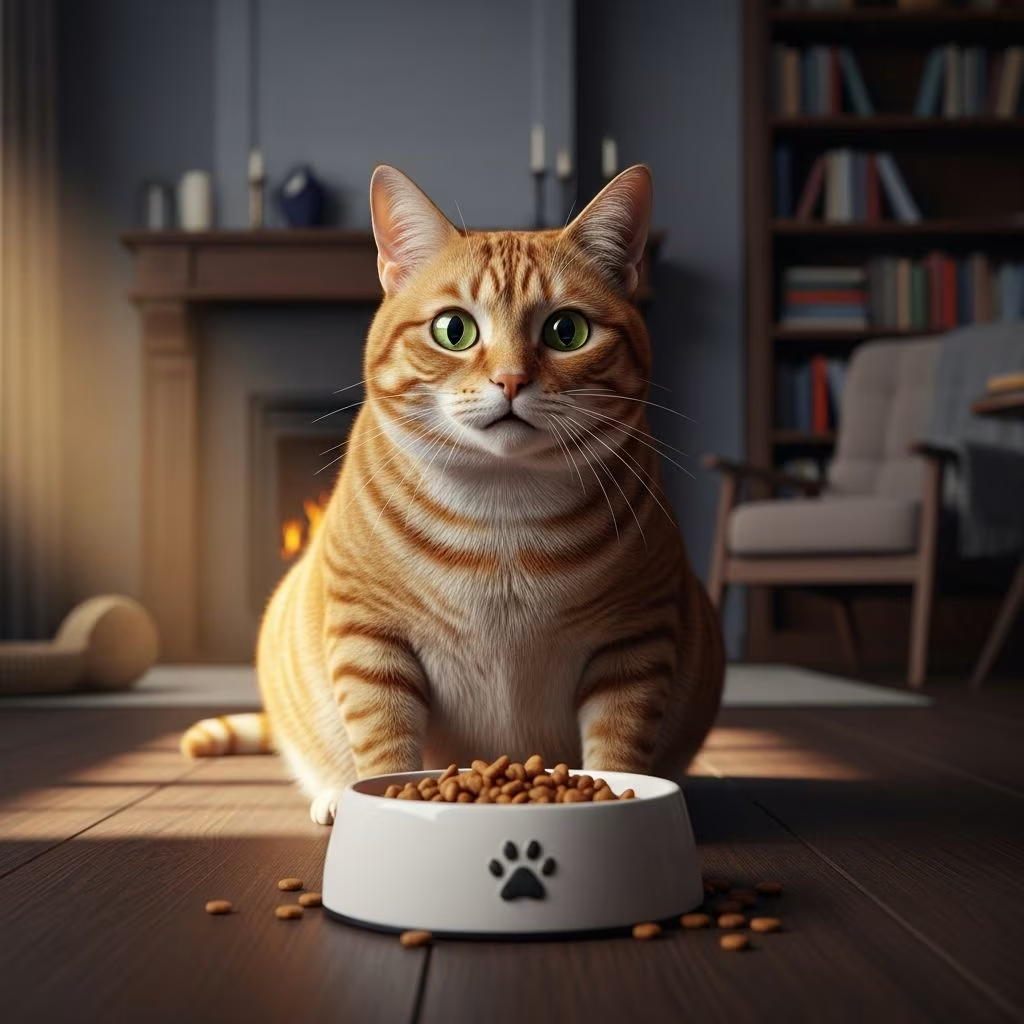
Cats are known for their finicky eating habits, but when your feline companion starts meowing incessantly for food, scavenging counters, or begging right after meals, it raises concern. This excessive hunger, known medically as polyphagia, can stem from benign behavioral issues or serious underlying health problems. Understanding the root cause is crucial for your cat’s well-being, as ignoring it might lead to weight fluctuations, nutritional imbalances, or progression of disease.
In this comprehensive guide, we’ll delve into the most frequent triggers of relentless appetite in cats, drawing from veterinary expertise. We’ll cover symptoms to watch for, diagnostic approaches, treatment options, and preventive measures. Whether your cat is a playful kitten or a senior, recognizing these signs early can make all the difference.
Recognizing Signs of Excessive Hunger in Cats
Normal cat hunger follows a predictable pattern: meals at set times with occasional interest in treats. But excessive hunger manifests differently. Your cat might pace around the food bowl, vocalize loudly for snacks, or even resort to unusual behaviors like pawing at cabinets or stealing human food. Accompanying signs often provide clues—weight loss despite eating more suggests metabolic issues, while a potbelly points to parasites.
- Behavioral cues: Constant meowing, following you to the kitchen, or rapid eating followed by immediate begging.
- Physical indicators: Unexplained weight changes, increased thirst (polydipsia), frequent urination, lethargy, or gastrointestinal upset like vomiting or diarrhea.
- Age-related patterns: Kittens may seem hungrier during growth spurts, adults from stress or diet flaws, and seniors from endocrine disorders.
Tracking these over a week in a journal helps vets pinpoint issues accurately. Note meal amounts, body condition, and stool quality for a complete picture.
Medical Causes of Insatiable Appetite
Many cases of voracious hunger trace back to health conditions disrupting metabolism, digestion, or nutrient absorption. Here’s a breakdown of the primary culprits.
Hyperthyroidism: The Metabolic Speedster
Hyperthyroidism tops the list, especially in cats over 10 years old. The thyroid gland overproduces hormones, revving up metabolism like a car engine stuck in overdrive. Cats burn calories faster than they consume, leading to ravenous hunger yet weight loss. Dr. Brad Hinsperger notes this elevates energy demands, causing cats to eat voraciously but still shed pounds.
Symptoms include hyperactivity, rapid heartbeat, vomiting, diarrhea, and a unkempt coat. Diagnosis involves blood tests measuring thyroid levels (T4), physical exams for gland enlargement, and sometimes heart monitoring. Treatments range from oral medications like methimazole, radioactive iodine therapy, surgery, or specialized diets low in iodine.
Diabetes Mellitus: Fuel Processing Failure
Feline diabetes occurs when the body can’t regulate blood sugar due to insulin deficiency or resistance. Cells starve for glucose, prompting constant hunger signals despite full meals. Common in overweight cats, it pairs with excessive drinking, urination, and weight loss.
Vets diagnose via blood glucose tests, urinalysis for ketones, and sometimes glucose curves. Management includes insulin injections, dietary shifts to low-carb foods, and weight control. Early intervention prevents complications like ketoacidosis.
Parasitic Infestations: Hidden Nutrient Thieves
Intestinal worms like roundworms, hookworms, or tapeworms siphon nutrients from your cat’s meals, leaving them malnourished and hungry. Kittens and outdoor cats are most vulnerable, showing bloated bellies, diarrhea, or visible segments in stool.
Fecal exams confirm parasites. Dewormers like pyrantel or fenbendazole treat them, with monthly preventives recommended for at-risk cats.
Digestive Disorders: When Absorption Fails
Conditions impairing nutrient uptake cause hunger despite ample intake. Exocrine Pancreatic Insufficiency (EPI) means insufficient digestive enzymes, leading to greasy stools, weight loss, and poor coat. Inflammatory Bowel Disease (IBD) inflames the gut, causing malabsorption, vomiting, and intermittent appetite swings.
| Condition | Key Symptoms | Diagnosis | Treatment |
|---|---|---|---|
| EPI | Greasy diarrhea, weight loss, unkempt fur | TLI blood test, fecal analysis | Enzyme supplements, low-fat diet |
| IBD | Vomiting, diarrhea, variable weight | Biopsy, ultrasound, bloodwork | Steroids, hypoallergenic food, probiotics |
Other Serious Conditions
Cancer, particularly gastrointestinal tumors, can spike energy needs or block absorption, causing hunger with weight loss. Rare pancreatic diseases or malabsorption syndromes mimic these. Medications like steroids also boost appetite as a side effect.
Non-Medical Reasons for Constant Hunger
Not all hunger pangs signal illness. Lifestyle factors often play a role.
Insufficient or Poor-Quality Diet
If portions are too small or food lacks protein/fat balance, cats feel unsatisfied. Kittens in growth phases or lactating queens need more calories. Switch to AAFCO-approved complete foods matching life stage.
Boredom and Stress
Indoor cats without stimulation eat from ennui. New pets, moves, or routine changes trigger stress-eating. Enrich environments with puzzle feeders, vertical spaces, and play sessions.
Genetic Predispositions and Habits
Some breeds or individuals are ‘food-motivated,’ prone to obesity. Compulsive eaters gobble meals anxiously. Slow feeding bowls and portion control help.
Steps to Diagnose and Manage Hunger
Consult a vet promptly if hunger persists with other symptoms. Expect:
- Thorough history and physical exam.
- Bloodwork (CBC, chemistry, thyroid, glucose).
- Fecal/parasite checks.
- Imaging (ultrasound/X-ray) if needed.
At home, measure food precisely, use timed feeders, and monitor weight weekly. Hydration stations encourage water intake, aiding conditions like diabetes.
Prevention Strategies for a Satisfied Cat
Maintain ideal weight with regular weigh-ins. Annual vet visits catch issues early. Vaccinate, deworm routinely, and provide mental stimulation. High-quality, portioned meals prevent deficiencies.
- Interactive toys and daily play (15-20 mins).
- Balanced diet tailored to age/activity.
- Stress reduction via pheromone diffusers or routines.
Frequently Asked Questions (FAQs)
Is it normal for my cat to act hungry all the time?
Occasional begging is typical, but constant hunger with symptoms warrants a vet check. It’s often not ‘normal’ in adults.
Can diet alone fix my cat’s hunger?
Possibly for mild cases, but rule out diseases first. Consult for personalized plans.
How much should I feed my cat daily?
Depends on weight/age; e.g., 4kg adult needs ~200-250 kcal. Follow package guidelines and vet advice.
Will my cat gain weight from hyperthyroidism treatment?
Yes, appetite normalizes post-treatment, so monitor closely.
Are wet foods better for hungry cats?
They promote hydration and satiety; mix with dry for variety.
References
- Why is my cat always hungry? — PDSA. Accessed 2026. https://www.pdsa.org.uk/pet-help-and-advice/pet-health-hub/symptoms/why-is-my-cat-always-hungry
- Why Is My Cat Always Hungry? 8 Possible Reasons — Chewy.com. Accessed 2026. https://www.chewy.com/education/cat/health-and-wellness/why-is-my-cat-always-hungry
- 10 Reasons Why Your Cat is Always Hungry — Vetic.in. Accessed 2026. https://vetic.in/blog/diet-and-nutrition/10-reasons-your-cat-is-always-hungry/
- Why Is My Cat Always Hungry? — Osbornesfarm.com. Accessed 2026. https://osbornesfarm.com/blogs/news/why-is-my-cat-always-hungry
- Why Is My Cat Always Hungry? Causes of a Hungry Cat — PetMD. Accessed 2026. https://www.petmd.com/cat/symptoms/causes-of-hungry-cat
- Why Is My Cat Always Hungry? — WebBox. Accessed 2026. https://www.webbox.co.uk/blog/why-is-my-cat-always-hungry
- Is Your Cat Always Hungry? It Might Be Hyperthyroidism — MSPCA-Angell. Accessed 2026. https://www.mspca.org/angell_services/is-your-cat-always-hungry-it-might-be-hyperthyroidism/



