

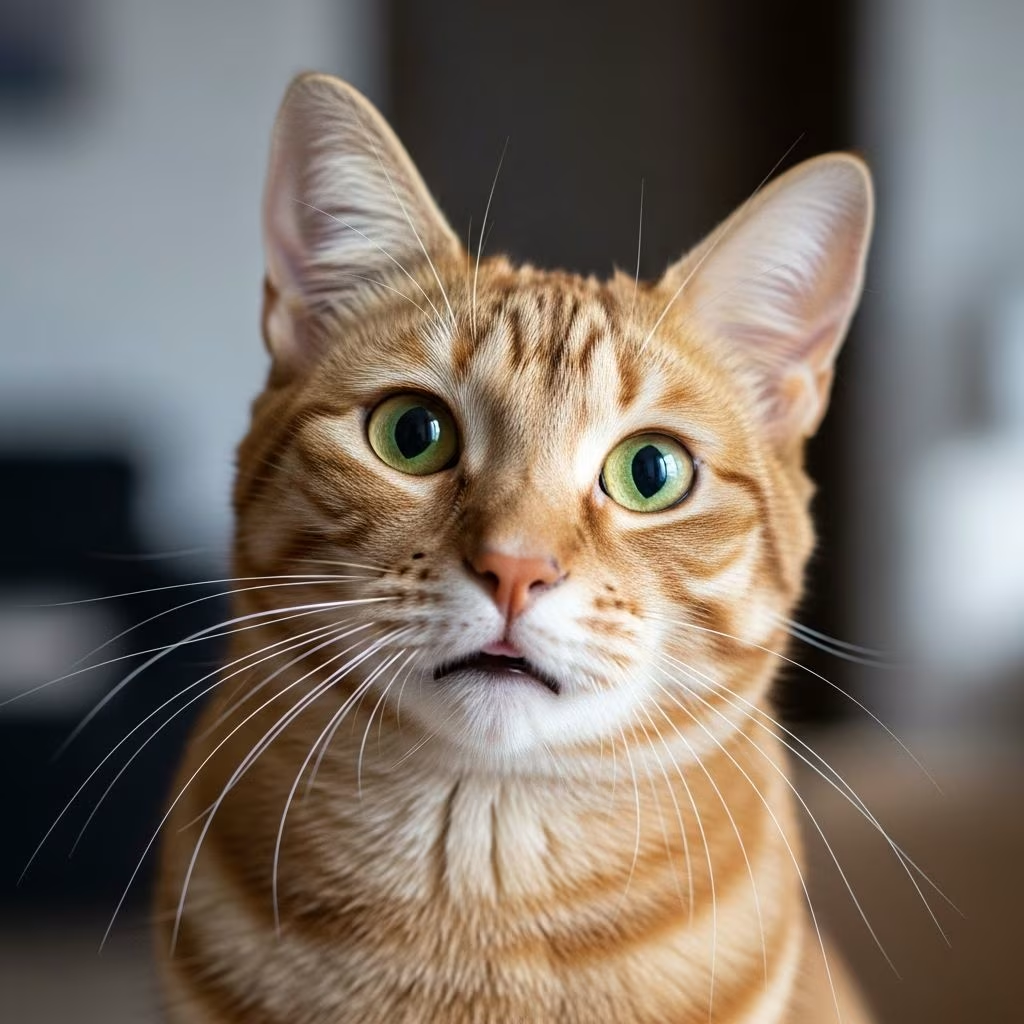
Cats are known for their quirky personalities, but when your feline friend starts behaving in truly unusual ways, it can be concerning. Sudden changes in behavior often signal underlying issues, ranging from medical conditions to environmental stressors. Understanding these shifts is crucial for your cat’s well-being. This comprehensive guide covers the most common reasons why cats act weird, drawing from veterinary insights to help you identify problems early.
Understanding Normal vs. Abnormal Cat Behavior
Cats exhibit a wide range of natural behaviors, such as scratching, vocalizing, and hiding. However, when these intensify, appear out of context, or combine with other signs like lethargy or appetite loss, they become red flags. Veterinary experts emphasize that what seems ‘weird’ to owners might be your cat communicating discomfort or distress. Behavioral changes can stem from medical problems, stress, aging, or social dynamics. Always prioritize a vet visit to rule out health issues before assuming behavioral causes.
Medical Causes Behind Weird Cat Behaviors
Many strange behaviors are symptoms of hidden illnesses. Cats are masters at masking pain, so behavioral shifts are often the first clue. Common medical triggers include pain, infections, organ dysfunction, and neurological issues.
Pain and Discomfort
If your cat suddenly becomes irritable, aggressive, or avoids touch, pain could be the culprit. Conditions like arthritis, dental disease, or injuries make handling painful. Cats in pain may hiss, swipe, or hide more frequently. Pain-related aggression mimics fear responses, with triggers like petting certain areas. Over-grooming sore spots or altered posture, such as hunching, are additional signs.
Hyperthyroidism and Metabolic Disorders
Hyperthyroidism, common in senior cats, ramps up metabolism, causing increased appetite yet weight loss, hyperactivity, and excessive vocalization. Diabetes or kidney disease leads to thirst changes and litter box accidents. These mimic ‘weird’ energy spikes or restlessness.
Urinary and Gastrointestinal Issues
Inappropriate elimination tops the list of concerning behaviors. Cats with cystitis, bladder stones, or infections strain to urinate outside the box, associating it with pain. Colitis or constipation causes defecation elsewhere. Always vet-check first, as these are medical until proven otherwise.
Neurological and Skin Conditions
Hyperesthesia syndrome involves rippling skin, frantic grooming, tail chasing, and vocalizing, often along the back. It may link to nerve issues or stress. Pica, eating non-foods like wool or plastic, signals nutritional deficiencies, anemia, or boredom.
Stress and Anxiety-Related Behaviors
Not all weirdness is medical; stress from changes like new pets, moves, or routines can provoke issues. Cats thrive on stability, and disruptions lead to coping behaviors.
- Excessive Grooming or Hiding: Stress prompts over-grooming, creating bald patches, or hiding to escape perceived threats.
- Spraying and Marking: Urine spraying communicates territory amid anxiety from new cats, renovations, or family shifts.
- Aggression or Withdrawal: Redirected aggression occurs when cats can’t access stressors, like outdoor animals.
Environmental enrichment, like pheromone diffusers, helps, but vet rule-out is essential.
Age-Related Behavioral Changes
Senior cats (over 11 years) often act ‘weird’ due to cognitive dysfunction syndrome (CDS), akin to dementia. Signs follow DISHAAAL: Disorientation, Interactions changes, Sleep disturbances, House soiling, Activity alterations, Anxiety, and Learning deficits.
- Increased Vocalization: Nighttime yowling from confusion or hearing loss.
- Disorientation: Staring at walls, circling, or forgetting litter box locations.
- Altered Sleep: Restlessness at night, sleeping more daytime.
Hyperthyroidism or pain exacerbates CDS. Vets diagnose via exams and bloodwork.
Sudden Aggression in Cats
Aggression spikes warrant immediate attention. Fear-based from threats, pain-induced when touched, or redirected from inaccessible stimuli. Petting-induced aggression arises from overstimulation. Irritability signals pain or senility. Assess context: new stressors or handling changes?
Changes in Litter Box Habits
Beyond medical causes, behavioral litter avoidance stems from box aversion (dirty, covered), location dislikes, or stress. Multi-cat homes amplify issues. Solutions: more boxes, unscented litter, cleaning routines.
| Issue | Medical Causes | Behavioral Causes |
|---|---|---|
| Inappropriate Urination | Cystitis, stones, infection | Stress, box preferences |
| Inappropriate Defecation | Colitis, anal sacs | Anxiety, location |
Over-Grooming and Pica
Over-grooming creates skin issues from allergies, fleas, stress, or pain. Pica risks blockages; linked to deficiencies or compulsion. Check for fleas, diet, and vet for blood tests.
Excessive Vocalization and Yowling
More meowing signals pain, hunger, CDS, or attention-seeking. Tonal changes or pacing suggest neurological woes.
Unusual Eating and Drinking Habits
Increased thirst/appetite flags kidney disease, diabetes; refusal risks hepatic lipidosis. Track intake; diet shifts influence but monitor closely.
Lack of Grooming or Lethargy
Depression from illness skips grooming; weakness prevents water access. Urgent if paired with hiding.
When to See a Vet for Cat Behavior Changes
Consult immediately for: sudden aggression, elimination issues, appetite/drink shifts, over-grooming, vocal changes, hiding, or senior disorientation. Vets rule out medical via exams, bloodwork, urinalysis. Early intervention prevents escalation.
Frequently Asked Questions (FAQs)
Why is my cat suddenly aggressive?
Sudden aggression often stems from pain, fear, or stress. Rule out medical issues first.
Why is my cat peeing outside the litter box?
Commonly medical (UTI, stones) or stress-related. Vet check mandatory.
Is over-grooming normal in cats?
Excessive grooming causing baldness indicates stress, allergies, or pain.
What causes senior cats to yowl at night?
CDS, hyperthyroidism, or pain. Bloodwork diagnoses.
Why is my cat eating weird things?
Pica from deficiencies, anemia, or boredom. Vet evaluation needed.
Can stress make cats act weird?
Yes, changes provoke hiding, spraying, aggression.
References
- 15 Strange Cat Behaviors Explained — The Drake Center. 2023. https://www.thedrakecenter.com/services/cats/blog/15-strange-cat-behaviors-explained
- Understanding Your Cat’s Behaviour — RSPCA. 2024-01-15. https://www.rspca.org.uk/adviceandwelfare/pets/cats/behaviour
- Is Your Cat Acting Strange? Behavior Changes That are a Red Flag — Aurora Veterinary Clinic. 2023. https://www.auroravet.com/services/cats/blog/your-cat-acting-strange-behavior-changes-are-red-flag
- Behavior Problems of Cats — Merck Veterinary Manual. 2025-06-20. https://www.merckvetmanual.com/behavior/behavior-of-cats/behavior-problems-of-cats
- Understanding Cat Behavior: When to Consult Your Vet — PCVH. 2024. https://pcvh.vet/when-to-consult-your-vet-about-behavioral-changes/
- 4 Feline Behaviors that Could Be a Sign of Illness — Cincinnati Family Vet. 2023. https://www.cincinnatifamilyvet.com/services/cats/blog/4-feline-behaviors-could-be-sign-illness



