

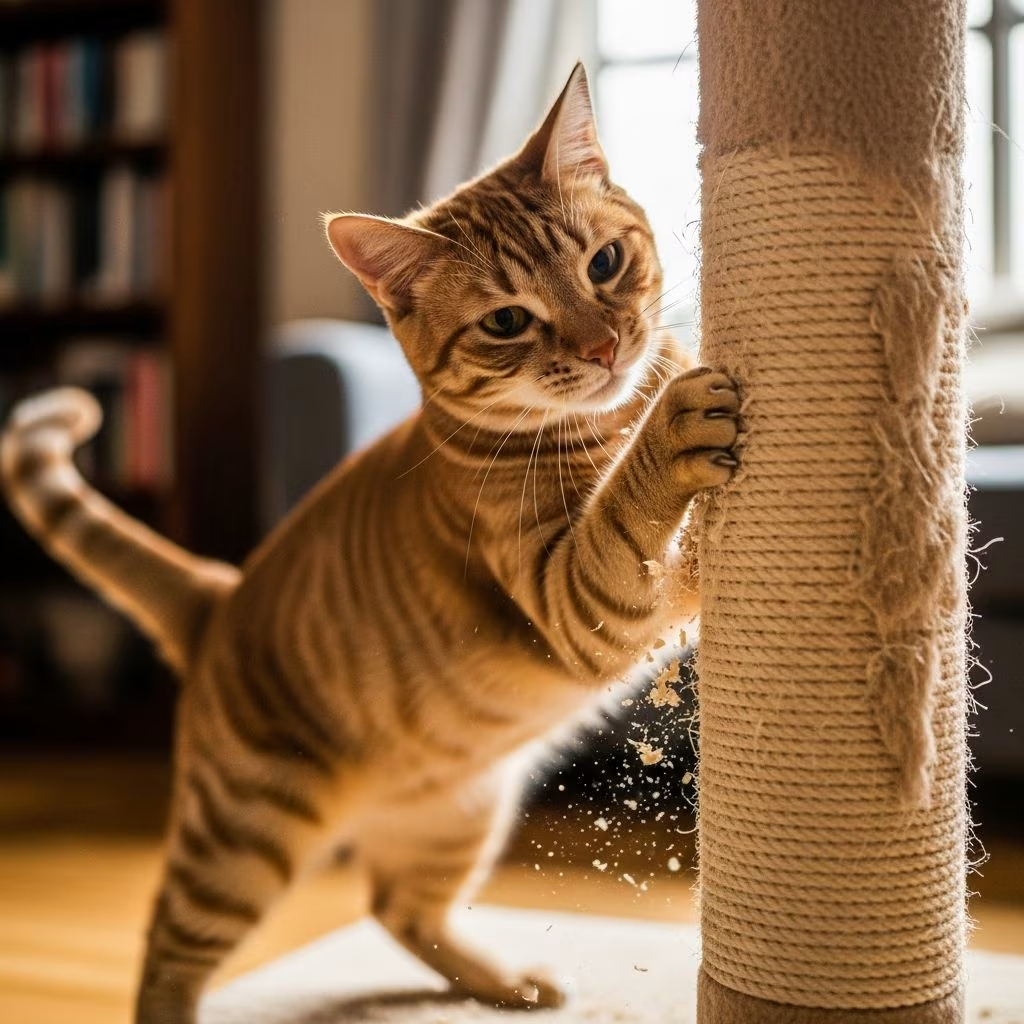
Cats scratching excessively can frustrate any pet owner, turning beloved furniture into shredded remnants. However, this behavior is a natural instinct rooted in feline biology and psychology. Understanding why cats scratch so much helps owners redirect it appropriately, preventing damage while supporting their pet’s well-being.
Scratching serves multiple purposes: marking territory with visual and scent cues from paw glands, maintaining sharp claws by shedding outer sheaths, stretching muscles, relieving stress, and even seeking attention. Indoor cats, lacking natural outlets like trees, often target household items. This comprehensive guide explores the reasons, solutions, and prevention strategies based on veterinary expertise.
Why Do Cats Scratch? 7 Common Reasons
Cats scratch for instinctual reasons essential to their health and communication. Here are the seven primary motivations:
- Territory Marking: Cats deposit scent from interdigital glands in their paws and leave visible scratches to claim areas. This communicates ownership to other cats, especially in multi-pet homes or near strays.
- Nail Maintenance: Claws grow continuously; scratching removes dead outer sheaths, exposing sharp tips underneath, similar to nail filing.
- Stretching and Exercise: The motion engages shoulder, back, and leg muscles, providing a full-body stretch after naps or to build strength.
- Stress and Anxiety Relief: Scratching releases endorphins, calming cats during frustration, overstimulation, fear, or household changes like new pets or moves.
- Play and Energy Release: High-energy play leads to scratching as cats mark play zones or expel excitement, akin to human exercise for stress relief.
- Attention-Seeking: Cats learn that scratching furniture elicits reactions from owners, positive or negative, equating to interaction.
- Happiness or Relaxation: Content cats scratch to express joy, leaving ‘happy scents’ on favored spots.
Excessive scratching often signals unmet needs or anxiety. Observe patterns: new locations may indicate stress from changes.
Is Excessive Scratching a Sign Something Is Wrong?
Normal scratching occurs 1-2 times daily in preferred spots. Excessive scratching—frequent, in new areas, or with aggression—may indicate issues. Signs include:
- Sudden increase in frequency or intensity.
- Scratching doors, windows, or conflict zones, signaling insecurity from outdoor cats or household tensions.
- Accompanied by urine marking, appetite changes, hiding, or aggression, pointing to anxiety.
Medical causes like allergies, pain, or parasites can mimic behavioral scratching. Consult a vet to rule out health problems before assuming behavior alone. Environmental stressors—boredom, insufficient play, or resource competition—exacerbate it in indoor cats.
How to Stop Destructive Cat Scratching: 8 Useful Tips
Redirecting scratching preserves furniture without punishing natural behavior, which can worsen stress. Implement these eight vet-approved tips:
- Provide Appealing Scratching Posts: Choose sturdy, tall (at least 3 feet) posts with textures cats prefer—sisal rope, cardboard, or wood. Place near problem areas.
- Match Textures and Positions: Observe preferences: vertical for marking/stretching, horizontal for claw care. Experiment with posts mimicking furniture.
- Use Positive Reinforcement: Reward scratching posts with treats, praise, or toys. Ignore or gently deter furniture scratching.
- Make Furniture Unappealing: Apply double-sided tape, aluminum foil, or citrus sprays (cats dislike these textures/scents). Cover with plastic temporarily.
- Increase Playtime: Daily interactive sessions with wand toys reduce energy-driven scratching. Mimic hunting to tire them out.
- Enrich Environment: Add cat trees, shelves, and window perches to combat boredom and provide outlets.
- Trim Nails Regularly: Blunt claws reduce damage. Use clippers every 2-3 weeks; introduce gradually with treats.
- Address Anxiety: Use pheromone diffusers (Feliway), ensure multiple resources, and consult behaviorists for persistent issues.
Consistency is key; cats adapt in 4-6 weeks with patience.
What Are the Best Cat Scratching Posts?
Not all posts work; select based on cat’s needs. Here’s a comparison:
| Type | Best For | Pros | Cons |
|---|---|---|---|
| Sisal Rope Post | Territory marking, stretching | Durable, natural feel, tall options | May fray over time |
| Cardboard Scratcher | Horizontal claw maintenance | Affordable, replaceable, quiet | Less stable for large cats |
| Wall-Mounted | Space-saving, vertical | Saves floor space, customizable height | Installation required |
| Cat Tree with Posts | Multi-cat homes, play | Combines scratching/climbing | Bulky, expensive |
Test multiple types; multi-station setups prevent competition. Avoid flimsy carpeted posts—cats reject unstable ones.
Should You Declaw Your Cat?
No, declawing is not recommended. This surgical amputation of the last bone in each toe causes chronic pain, arthritis, litter box avoidance, and behavioral issues like biting. It’s banned or restricted in many areas as inhumane. Alternatives like nail caps, trims, and redirection are effective and ethical.
Frequently Asked Questions (FAQs)
Why is my cat suddenly scratching more?
Sudden increases often stem from stress (new pets, moves), medical issues, or seasonal changes prompting more marking. Vet check first.
How do I get my cat to use a scratching post?
Place it near favored spots, rub with catnip, gently place paws on it, and reward use. Remove or deter other targets.
Why does my cat scratch me?
Play, overstimulation, or defense. Redirect to toys; trim nails to minimize injury.
Can scratching indicate allergies?
Yes, skin allergies cause excessive grooming/scratching. Look for hair loss, redness; see a vet.
How often should I trim my cat’s nails?
Every 10-14 days for indoor cats to keep them blunt.
References
- Why Do Cats Scratch? — San Diego Humane Society. 2023. https://sdhumane.org/resources/why-do-cats-scratch/
- Cat Behavior Problems – Scratching Behavior — VCA Animal Hospitals. 2024-01-15. https://vcahospitals.com/know-your-pet/cat-behavior-problems—scratching-behavior
- Why Do Cats Scratch? — Chewy. 2023-05-20. https://www.chewy.com/education/cat/training-and-behavior/why-do-cats-scratch
- Claw-some Benefits: Why Scratching is Key to Your Cat’s Health — Providence Veterinary Hospital. 2024. https://providencevetva.com/claw-some-benefits-why-scratching-is-key-to-your-cats-health/
- A Cat Owner’s Guide to Scratching — Memorial Villages Animal Hospital. 2023-11-10. https://mvahpets.com/a-cat-owners-guide-to-scratching/
- Cats and Scratching — American Humane Society. 2022-08-05. https://www.americanhumane.org/public-education/scratching/



