

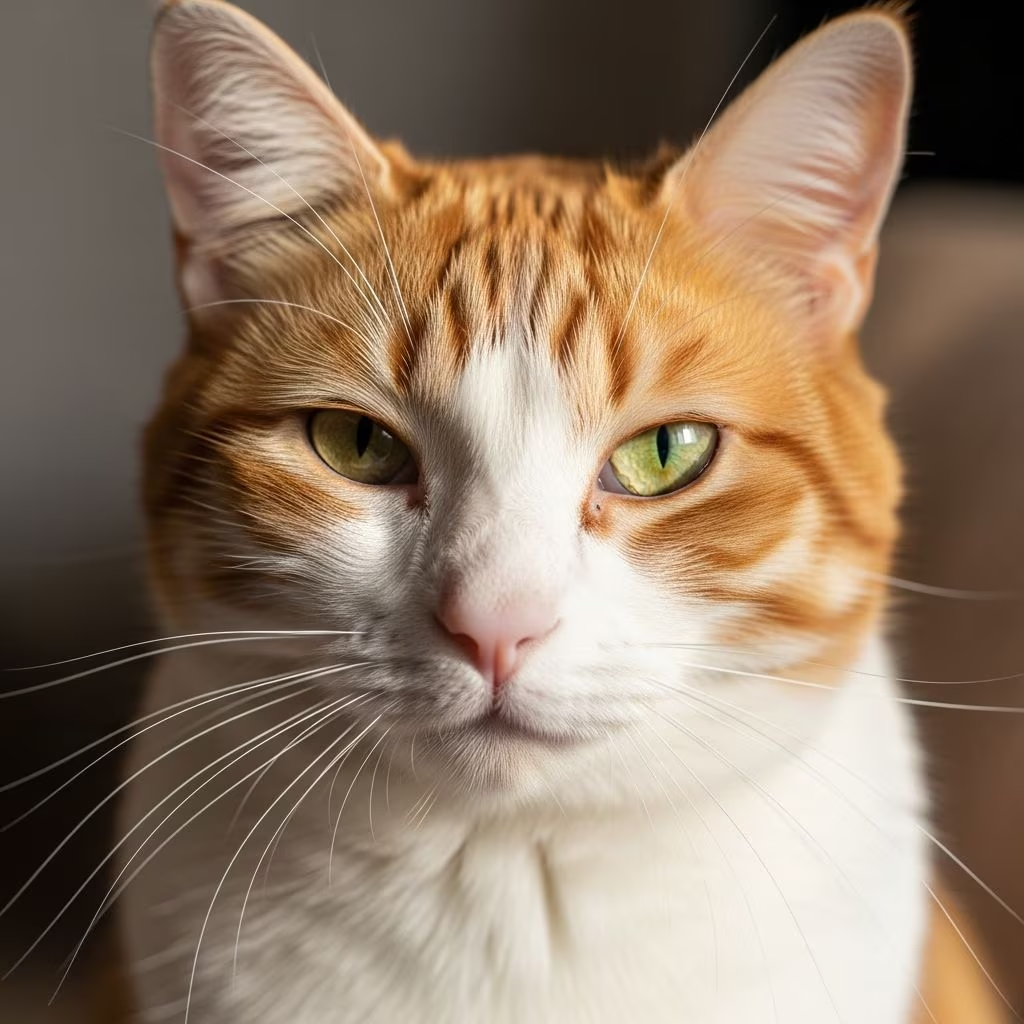
Observing your cat keeping one eye closed can be concerning, as it often signals discomfort rather than a playful wink. This behavior, known as blepharospasm in veterinary terms, indicates the eye is protecting itself from pain, irritation, or injury. Cats are masters at hiding illness, so a persistently closed eye warrants close attention. Common culprits include corneal scratches, infections, elevated eye pressure, or debris. Prompt veterinary evaluation is crucial to prevent vision loss, as conditions like glaucoma can escalate rapidly.
This comprehensive guide covers the four primary reasons your cat might exhibit this symptom, drawing from veterinary insights. We’ll detail symptoms, causes, treatments, and prevention strategies to help you support your feline’s eye health effectively.
The 4 Reasons Why Your Cat Is Keeping One Eye Closed
When a cat holds one eye shut, it’s typically a reflexive response to ocular distress. Unlike occasional squinting from bright light, persistent closure suggests an underlying issue requiring intervention. Here’s a breakdown of the most frequent causes.
1. An Injury to the Eye
Eye injuries are among the top reasons cats keep one eye closed. A scratch on the cornea—the clear front surface of the eyeball—triggers intense pain, prompting the cat to squeeze the eyelid shut for protection. Cats can sustain these injuries from clawing play fights, rubbing against rough surfaces, or self-trauma while grooming.
Symptoms often include excessive tearing, redness, cloudiness, or sensitivity to light. You might notice your cat pawing at the eye or rubbing it against furniture. Corneal ulcers, a severe form of injury, erode the eye’s surface and can lead to infection if untreated. Indoor cats aren’t immune; they may scratch themselves during rough play or zoomies.
Veterinarians diagnose injuries via fluorescein dye staining, which highlights scratches under UV light. Treatment typically involves antibiotic ointments to prevent secondary infections, pain relief like atropine drops to dilate the pupil, and an Elizabethan collar to stop self-trauma. Healing usually occurs within 5-7 days with proper care, but deep ulcers may require surgery.
2. Feline Conjunctivitis
Feline conjunctivitis, commonly called pink eye, inflames the conjunctiva—the thin, pink membrane lining the eyelids and covering the eyeball’s white part. This leads to swelling, discharge, and discomfort, causing the cat to keep the affected eye closed.
Bacterial infections (e.g., chlamydia, mycoplasma) or viral culprits like feline herpesvirus (FHV-1) and calicivirus are primary causes, often tied to upper respiratory infections. Symptoms mirror a cold: sneezing, nasal discharge, lethargy, and ocular goop ranging from watery to thick and pus-like. Kittens and multi-cat households are at higher risk due to contagion.
Diagnosis involves a physical exam, possibly cytology of discharge. Vets prescribe topical antibiotics (e.g., erythromycin ointment) or antivirals for herpes cases. Supportive care includes cleaning the eye with saline and boosting immunity via L-lysine supplements for FHV-1. Most cases resolve in 1-2 weeks, but chronic herpes can flare with stress.
Pro Tip: If conjunctivitis accompanies respiratory signs, isolate the cat to prevent spread. Consult a vet online via services like PangoVet for initial guidance if travel is challenging.
3. Uveitis or Glaucoma
Uveitis inflames the uvea (the eye’s middle vascular layer), while glaucoma stems from fluid buildup raising intraocular pressure. Cats often keep eyes closed due to the throbbing pain these induce. Glaucoma frequently follows untreated uveitis, creating a vicious cycle.
Uveitis triggers include infections (FIV, FeLV, toxoplasmosis), trauma, cancer, or idiopathic factors. Signs: red eye, constricted or irregular pupil, cloudiness, vision changes, and tearing. Glaucoma adds a bulging, hazy cornea and dilated pupil. Both threaten blindness if pressure isn’t relieved promptly.
Diagnosis uses tonometry for pressure measurement and ophthalmoscopy. Treatments for uveitis: anti-inflammatories (prednisolone drops), pupil dilators, and addressing root causes (e.g., antibiotics for infections). Glaucoma management is trickier—emergency pressure-lowering meds like mannitol IV, prostaglandins, or beta-blockers. Surgery (laser therapy) may be needed for refractory cases. Prognosis varies; early intervention preserves vision best.
| Condition | Key Symptoms | Urgency |
|---|---|---|
| Uveitis | Redness, small pupil, pain | High—see vet ASAP |
| Glaucoma | Enlarged eye, cloudy cornea | Emergency |
4. Foreign Body
A foreign body—like litter dust, plant debris, grass seeds, or wood chips—lodged under the eyelid or on the cornea irritates the eye, causing closure, tearing, and pawing. Outdoor cats face higher exposure from dust or fights, but indoor cats encounter litter or dust bunnies.
Signs: sudden onset squinting, watery discharge, blinking frenzy. Do not attempt removal yourself—risk worsening the scratch. Vets use magnification and irrigation or swabs to extract safely, followed by antibiotics.
Prevention: Use low-dust litter, trim plants, and supervise outdoor time. Rinse gently with sterile saline if safe, but prioritize professional care.
Other Potential Causes of Squinting in Cats
Beyond the top four, consider allergies (to pollen, smoke), dry eye (keratoconjunctivitis sicca), or eyelid abnormalities (rare). Systemic issues like hypertension or FIV can manifest ocularly. Bright lights or irritants like cleaning fumes provoke temporary squinting, distinguishable by transience.
- Allergies: Bilateral itching, pawing, no discharge.
- Dry Eye: Dull cornea, sticky mucus.
- Environmental: Resolves with irritant removal.
When to See a Vet: Red Flags for Cat Eye Issues
Don’t wait if squinting persists >24 hours, or accompanies redness, discharge, vision changes, lethargy, or appetite loss. Emergency signs: eye bulge, severe cloudiness, bleeding. Schedule an exam; delays risk scarring or blindness.
Prep for visit: Note symptom duration, exposures, diet changes. Vets may perform Schirmer tear tests, cultures, or imaging.
How to Help Your Cat’s Eyes at Home
While awaiting vet care:
- Gently wipe discharge with damp cotton ball (outer to inner).
- Prevent rubbing with cone collar.
- Keep litter box clean; avoid dusty formulas.
- Boost humidity for dry environments.
- Avoid OTC drops—they can worsen issues.
Preventing Eye Problems in Cats
Proactive steps safeguard vision:
- Vaccinate against herpes/calicivirus.
- Regular wellness exams detect early issues.
- Trim claws to minimize scratches.
- Indoor-only lifestyle reduces trauma.
- Nutrient-rich diet with omega-3s supports eye health.
Frequently Asked Questions (FAQs)
Why is my cat keeping one eye closed but seems otherwise fine?
Cats mask pain well; early stages of ulcers or mild infections may lack systemic signs. Still, vet check recommended to rule out progression.
Can I treat my cat’s squinting eye at home?
No—home remedies risk complications. Professional diagnosis ensures targeted therapy.
Is cat squinting always serious?
Temporary from light? No. Persistent? Yes, indicates irritation or disease.
How long can a cat keep an eye closed before it’s an emergency?
Over 24 hours or with worsening signs: Seek care immediately.
Why do kittens squint more?
Immature immunity heightens infection risk; congenital issues possible.
Final Thoughts
A cat keeping one eye closed is rarely benign—ranging from simple debris to vision-threatening glaucoma. Vigilance empowers timely intervention, preserving your companion’s sight. Consult your vet promptly; early action makes all the difference in feline eye health.
References
- Why Is My Cat Keeping One Eye Closed? 4 Vet-Reviewed Reasons — Catster. 2023. https://www.catster.com/cat-behavior/why-is-cat-keeping-one-eye-closed/
- Why Is My Cat Squinting One Eye? — TelaVets. 2024. https://www.telavets.com/blog/cat-squinting
- Why is my cat squinting? — Vetster. 2024. https://vetster.com/en/wellness/why-is-my-cat-squinting
- Painful eye/eye held closed in cats — PDSA. 2023-10-01. https://www.pdsa.org.uk/pet-help-and-advice/pet-health-hub/symptoms/painful-eyeeye-held-closed-in-cats
- Eye is Kept Closed in cats — PetsVetCheck. 2024. https://petsvetcheck.de/en/symptoms/cat/eye-is-kept-closed/
- Common Cat Eye Problems — PetMD. 2024. https://www.petmd.com/cat/general-health/common-cat-eye-problems
- Cat Eye Infection: Is It an Emergency? — GSVS. 2023. https://gsvs.org/blog/cat-eye-infection-emergency/



