

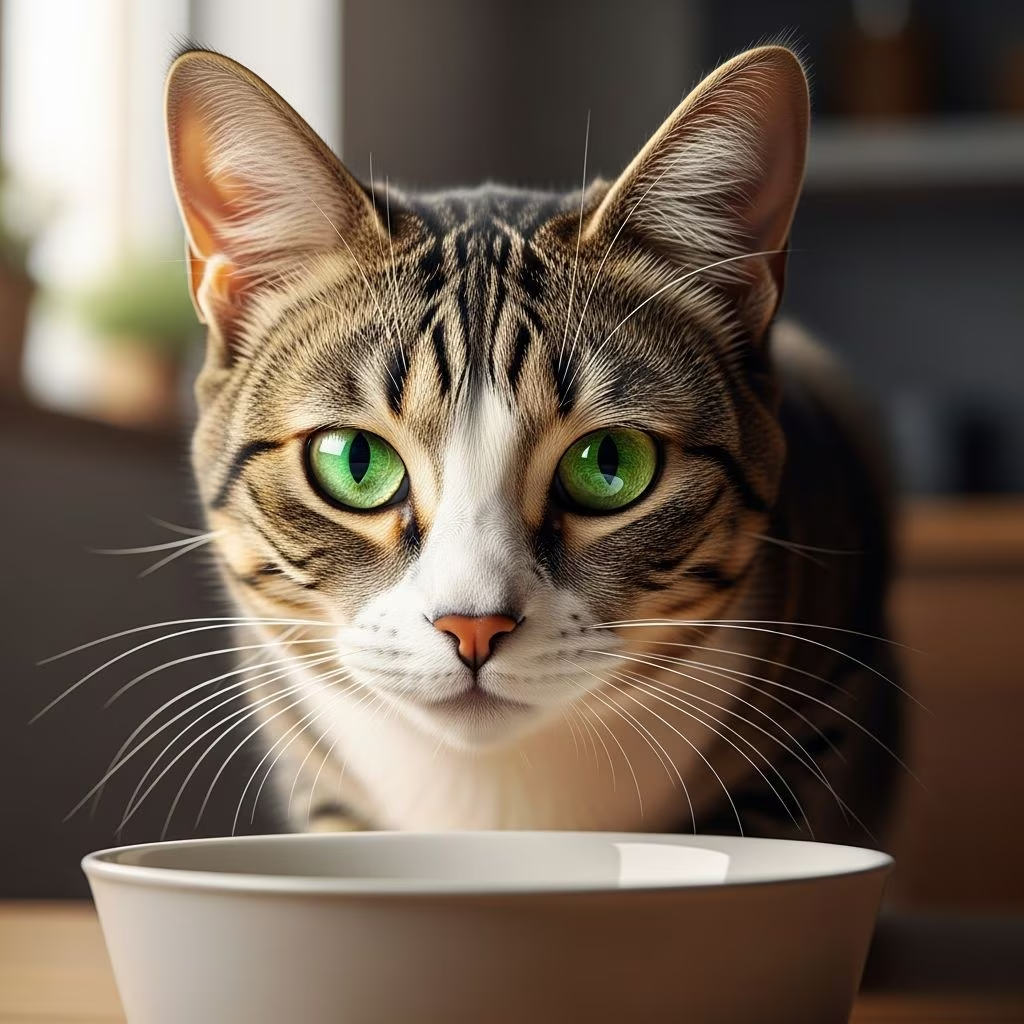
Your cat meowing at the food bowl mere hours after a full meal can be concerning. Constant hunger, medically termed **polyphagia**, signals that something may be off with their diet, health, or environment. Cats are obligate carnivores requiring high-protein diets, so unmet needs trigger persistent begging. This guide covers common causes like poor-quality food, parasites, diabetes, and more, drawing from veterinary insights to help you address the issue.
Polyphagia: What It Means for Your Cat
**Polyphagia** describes excessive hunger despite adequate feeding. In felines, it often stems from the body not receiving or utilizing nutrients properly, prompting survival-driven eating. Unlike simple gluttony, true polyphagia pairs with symptoms like weight loss, increased thirst, or lethargy. Monitor intake: adult cats need 20-30 calories per pound daily, adjusted for age and activity. Sudden changes warrant a vet visit to rule out serious conditions.
Poor-Quality Food
Low-nutrient diets fail to satisfy, leaving cats hungry post-meal. Cat food must prioritize animal-based proteins (at least 30-40% dry matter), fats for energy, and minimal fillers like corn or wheat, which cats digest poorly. Kittens, pregnant, or lactating queens demand higher calories—up to 2-3 times maintenance levels—making nutrient-dense food essential.
Signs of inadequate diet include begging despite measured portions. Check labels: AAFCO statements confirm completeness. Transition slowly to higher-quality kibble or wet food with named meat sources. Vets recommend senior formulas for aging cats with reduced absorption. Poor nutrition also exacerbates obesity in genetically prone breeds like Persians.
- Protein: Builds muscle; aim for 40%+ in dry food.
- Fat: Provides 2x calories per gram; crucial for satiety.
- Taurine: Heart/eye essential; deficient diets cause illness.
Parasites
Intestinal worms like roundworms or tapeworms steal nutrients, causing **hunger despite eating**. Parasites thrive in the gut, absorbing proteins and vitamins, leading to malnutrition. Kittens are most vulnerable, but adults skip deworming risk infestation from fleas or raw meat.
Symptoms: pot-bellied appearance, diarrhea, visible segments in stool, or unexplained weight loss with ravenous appetite. Even monthly preventives fail if doses lapse. Vets diagnose via fecal exams and prescribe broad-spectrum dewormers like pyrantel or fenbendazole. Prevention: Year-round flea control and cooked diets.
Diabetes in Cats
Feline **diabetes mellitus** impairs glucose uptake due to insulin deficiency or resistance. Cells starve for energy, signaling constant hunger while the cat loses weight. Risk factors: obesity, age over 7, Burmese breed.
Classic triad: polyphagia, **polydipsia** (excess thirst), **polyuria** (frequent urination). Unmanaged, it leads to ketoacidosis. Diagnosis: blood glucose tests (>200 mg/dL fasting), urinalysis. Treatment: insulin injections, diet (low-carb, high-protein), weight loss. Prognosis excellent with compliance—80% cats remit. Early detection via vet checkups prevents complications.
Hyperthyroidism
The most common hormonal issue in senior cats (over 10 years), **hyperthyroidism** floods the system with thyroid hormones, revving metabolism 2-3x normal. Cats eat voraciously yet shed pounds, appearing ‘skinny but hungry’.
Other signs: hyperactivity, vomiting, matted coat, heart murmur. 95% cases from benign thyroid nodules. Blood T4 levels confirm; treatments include methimazole pills, radioactive iodine (curative, 95% success), surgery, or diet. Senior wellness exams catch 70% early. Untreated, it causes heart/kidney damage.
Pregnancy
Pregnant cats (queens) ramp up appetite in weeks 3-9 as fetuses grow, demanding 20-40% more calories. Lactation doubles/triples needs for milk production. Unspayed females cycle every 2-3 weeks; early pregnancy mimics heat but adds hunger.
Monitor for nesting, nipple enlargement. Feed kitten food: higher fat/protein. Post-kitting, free-feed wet food. Spaying prevents repeats and cancers.
Exocrine Pancreatic Insufficiency (EPI)
**EPI** occurs when the pancreas fails to produce digestive enzymes, leaving food undigested. Nutrients pass unabsorbed, causing ravenous hunger, voluminous greasy stools, and weight loss. Rare in cats vs. dogs; diagnosed via TLI blood test.
Treatment: enzyme supplements sprinkled on meals, low-fat diets, vitamin B12 shots. Prognosis good with lifelong management.
Inflammatory Bowel Disease (IBD)
**IBD** inflames the gut, impairing nutrient uptake. Chronic vomiting, diarrhea, weight loss despite big appetite. Food allergies or bacteria trigger; biopsies confirm.
Hypoallergenic or hydrolyzed diets, steroids, or immunosuppressants help. Probiotics aid flora balance.
Aging and Changes in Metabolism
Post-12 years, cats lose muscle (sarcopenia), slow metabolism, and digest fats/proteins worse, creating calorie deficits. Increased hunger compensates; added carbs help but watch weight.
Senior diets with joint support, antioxidants. DEXA scans assess body composition. Exercise preserves mass.
Other Causes
- Boredom/Anxiety: Stress eating from changes; puzzle feeders help.
- Cancer: Some tumors boost metabolism; weight loss key.
- Medications: Steroids increase appetite.
- Genetics: Some breeds overeat.
How to Help Your Hungry Cat
Track weight, stool, water intake. Vet exam with bloodwork/fecals first. Rule out medical issues before behavioral fixes.
| Issue | Symptoms | Action |
|---|---|---|
| Poor Diet | Begging, normal weight | Upgrade food, measure portions |
| Parasites | Diarrhea, worms in stool | Deworm, fecal test |
| Diabetes | Thirst, urination, thin | Glucose test, insulin |
| Hyperthyroidism | Weight loss, hyperactive | T4 test, meds/radioiodine |
Enrich environment: feeders, play. Multiple small meals mimic hunting.
Frequently Asked Questions (FAQs)
Is it normal for my cat to always be hungry?
No, persistent hunger indicates diet or health issues. Consult a vet if new.
Why is my cat always hungry but losing weight?
Likely diabetes, hyperthyroidism, or parasites—urgent vet care needed.
Can food quality make my cat hungry?
Yes, low-protein foods don’t satisfy. Switch to premium, vet-recommended.
How much should I feed my cat?
Follow package per weight/activity; wet food aids hydration. Adjust with vet.
Does spaying affect appetite?
Slight increase possible; monitor to prevent obesity.
References
- Why Is Your Cat Always Hungry? Common Reasons — Kinship. 2023. https://www.kinship.com/cat-nutrition/why-is-cat-always-hungry
- Why is my cat always hungry? — PDSA (People’s Dispensary for Sick Animals). 2024-01-15. https://www.pdsa.org.uk/pet-help-and-advice/pet-health-hub/symptoms/why-is-my-cat-always-hungry
- Why is My Cat Always Hungry? Feeding Advice — Purina. 2023-05-20. https://www.purina.com/articles/cat/health/symptoms/cat-always-hungry
- Why Is My Cat Always Hungry? Causes of a Hungry Cat — PetMD. 2024-03-10. https://www.petmd.com/cat/symptoms/causes-of-hungry-cat
- Why Is My Cat Always Hungry? — Hill’s Pet Nutrition. 2023-11-05. https://www.hillspet.com/cat-care/nutrition-feeding/why-is-my-cat-always-hungry
- Why Is My Cat Always Hungry? 8 Possible Reasons — Chewy. 2024-02-18. https://www.chewy.com/education/cat/health-and-wellness/why-is-my-cat-always-hungry



