Why Hydrogen Peroxide Harms Dog Wounds
Discover safer ways to clean and heal your dog's injuries without damaging tissue with hydrogen peroxide.
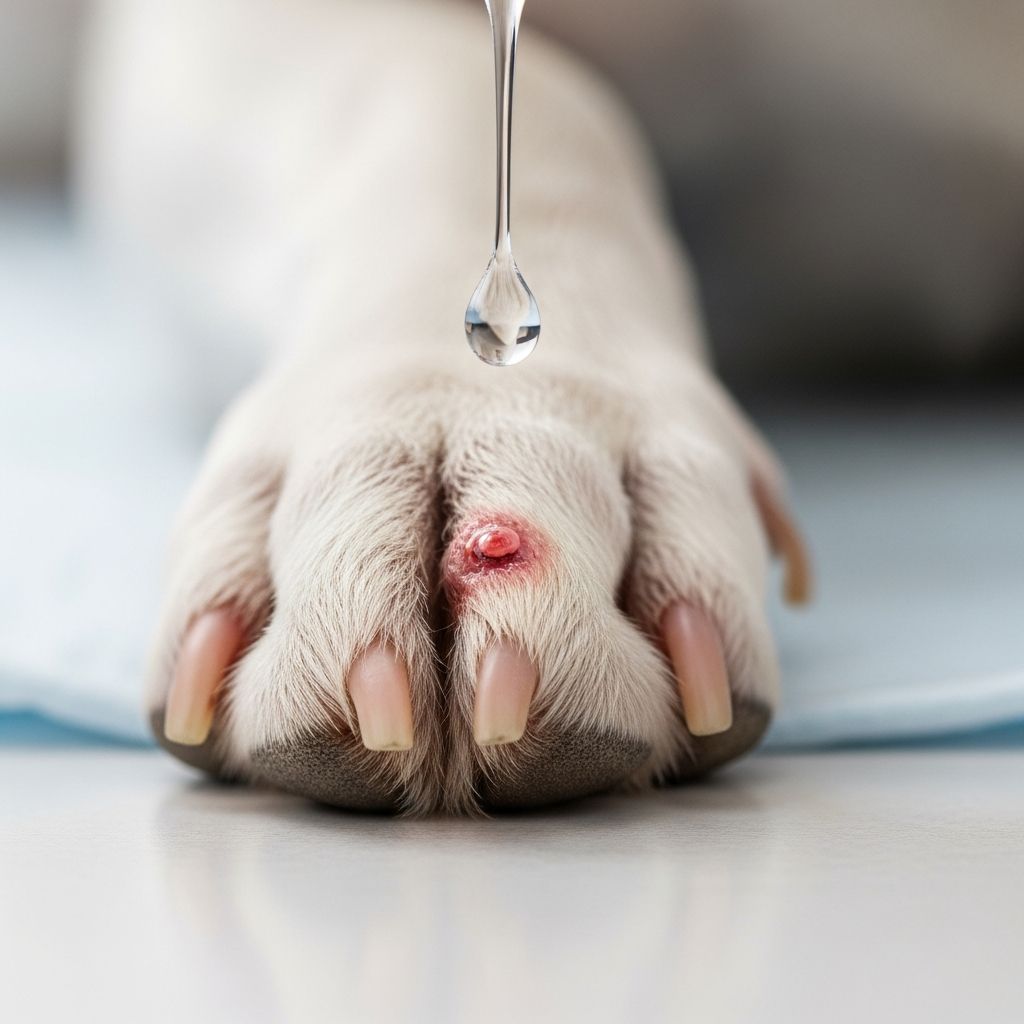
Hydrogen peroxide, a common household item, damages healthy canine tissue and delays healing when used on dog wounds. Veterinary experts recommend saline solutions and chlorhexidine instead for effective cleaning without harm.
The Dangers of Using Hydrogen Peroxide on Canine Injuries
Many dog owners reach for hydrogen peroxide to disinfect cuts, believing it kills bacteria effectively. However, this substance releases oxygen bubbles that disrupt new cell growth essential for wound repair. It also causes irritation, pain, and inflammation, potentially worsening the injury.
Studies and vet guidelines confirm that hydrogen peroxide’s oxidative properties destroy fibroblasts and keratinocytes, key cells in tissue regeneration. This leads to prolonged recovery times and higher infection risks as natural healing barriers weaken.
Understanding Wound Healing in Dogs
Dog wounds heal through inflammation, proliferation, and remodeling phases. Proper care supports these by removing debris while preserving viable tissue. Disruptors like harsh chemicals interfere, extending vulnerability to pathogens.
- Inflammation phase: Cleans debris and fights initial bacteria.
- Proliferation phase: Forms new tissue; sensitive to chemicals.
- Remodeling phase: Strengthens scar tissue over weeks.
Contaminated wounds, common in active dogs from fights or scrapes, require gentle decontamination to avoid pushing bacteria deeper.
Step-by-Step Guide to Safely Cleaning Dog Wounds at Home
Follow these vet-recommended steps for minor wounds under 1 inch, not involving bone, joints, or heavy bleeding. Seek professional help for severe cases.
- Assess the wound: Check for depth, location, and bleeding. Minor scrapes can be home-treated; deep punctures need a vet.
- Control bleeding: Apply firm pressure with clean gauze for 2-5 minutes. Elevate if possible.
- Trim surrounding fur: Use blunt clippers or scissors to remove hair, preventing contamination. Apply water-soluble lubricant first.
- Flush thoroughly: Use copious sterile saline (or homemade: 1 tsp salt per pint boiled water) via syringe for pressure lavage. Aim for 48-55 kPa to dislodge debris without trauma.
- Apply antiseptic: Dilute chlorhexidine (0.05-0.1% solution) gently around, not scrubbing the wound bed.
- Ointment and bandage: Use pet-safe antibiotic ointment or medical honey. Cover with non-stick gauze, wrap securely but not tightly.
- Prevent licking: Fit an e-collar immediately.
| Step | Tool/Material | Purpose |
|---|---|---|
| Flush | 35mL syringe + 19G needle saline | Remove bacteria/debris |
| Antiseptic | 2% chlorhexidine dilute | Disinfect safely |
| Bandage | Gauze + vet wrap | Protect from licking |
Supplies Every Dog Owner Needs for Wound Care
Stock a pet first-aid kit with these essentials for quick response.
- Sterile saline or lactated Ringer’s solution.
- Chlorhexidine wipes or solution.
- Blunt-tipped scissors/clippers.
- Styptic powder for nail bleeds.
- Non-stick pads, vet wrap, tape.
- Pet-safe antibiotic ointment.
- Disposable gloves and e-collar.
Avoid alcohol, iodine tinctures, or peroxide—these sting and harm tissue.
Signs Your Dog’s Wound Needs Veterinary Attention
Monitor closely post-cleaning. Change bandages 2-3 times daily initially, reducing as it improves.
- Infection indicators: Redness spreading, pus, foul odor, swelling increase, fever.
- Pain signals: Limping worsening, whining, guarding the area.
- Non-healing: No improvement in 3-5 days or dehiscence.
- Systemic issues: Lethargy, appetite loss—emergency.
Puncture wounds from bites often hide abscesses; always vet-check these.
Advanced Home Care Techniques for Common Injuries
Paw Pads and Cuts
Soak paws in warm saline or soapy water (mild dish soap) for 5-10 minutes to loosen debris. Dry thoroughly before bandaging to prevent maceration.
Bite Wounds and Punctures
These crush tissue deep. Flush aggressively with high-pressure saline, but don’t probe. Vet imaging may be needed for pockets.
Hot Spots and Abrasions
Clip wide area, clean with chlorhexidine, apply hydrocortisone cream if vet-approved. Cone essential.
Preventing Wound Infections Naturally
Support healing with moisture-retentive dressings and nutrition. Manuka honey offers antibacterial properties without cytotoxicity. Keep the environment clean and limit activity during recovery.
FAQs on Dog Wound Management
Can I use tap water to clean my dog’s wound?
Cool, boiled tap water is okay short-term, but sterile saline is best to minimize contamination risks.
How often should I change a bandage?
Every 12-24 hours first 3 days, then every 2-3 days if stable. Check for strikes.
Is betadine safe for dogs?
Diluted povidone-iodine (1%) is tolerable briefly, but chlorhexidine is preferred as it’s less irritating.
What if bleeding won’t stop?
After 10 minutes pressure, seek emergency vet—may indicate vessel damage.
Can dogs heal wounds without bandages?
Small, clean wounds in low-lick areas yes; others need protection for second-intention healing.
Long-Term Recovery and Scar Prevention
Expect full healing in 10-21 days for minor wounds. Silicone gels post-healing minimize scars. Balanced diet with zinc, vitamin A aids regeneration. Regular check-ups ensure no complications.
By avoiding myths like peroxide use, owners promote faster, healthier recoveries. Always consult vets for tailored advice.
References
- Dog Wound Care: How to Clean and Treat Dog Wounds at Home — PetMD. 2023. https://www.petmd.com/dog/general-health/dog-wound-care-how-to-clean-treat-dog-wounds-at-home
- Dog Wound Care Guide — Peak Veterinary Referral Center. 2023. https://www.peakveterinary.com/blog/dog-wound-care-guide
- Principles of Wound Management and Wound Healing in the Exotic… — PMC (NCBI). 2015-10-28. https://pmc.ncbi.nlm.nih.gov/articles/PMC4663678/
- Complete Guide To Dog Wound Care — Woburn Animal Hospital. 2024-03-15. https://www.woburnanimalhospital.com/site/blog/2024/03/15/complete-guide-dog-wound-care
- Initial Wound Management in Small Animals — Merck Veterinary Manual. 2023. https://www.merckvetmanual.com/emergency-medicine-and-critical-care/wound-management-in-small-animals/initial-wound-management-in-small-animals
Similar Articles








Read full bio of Sneha Tete