

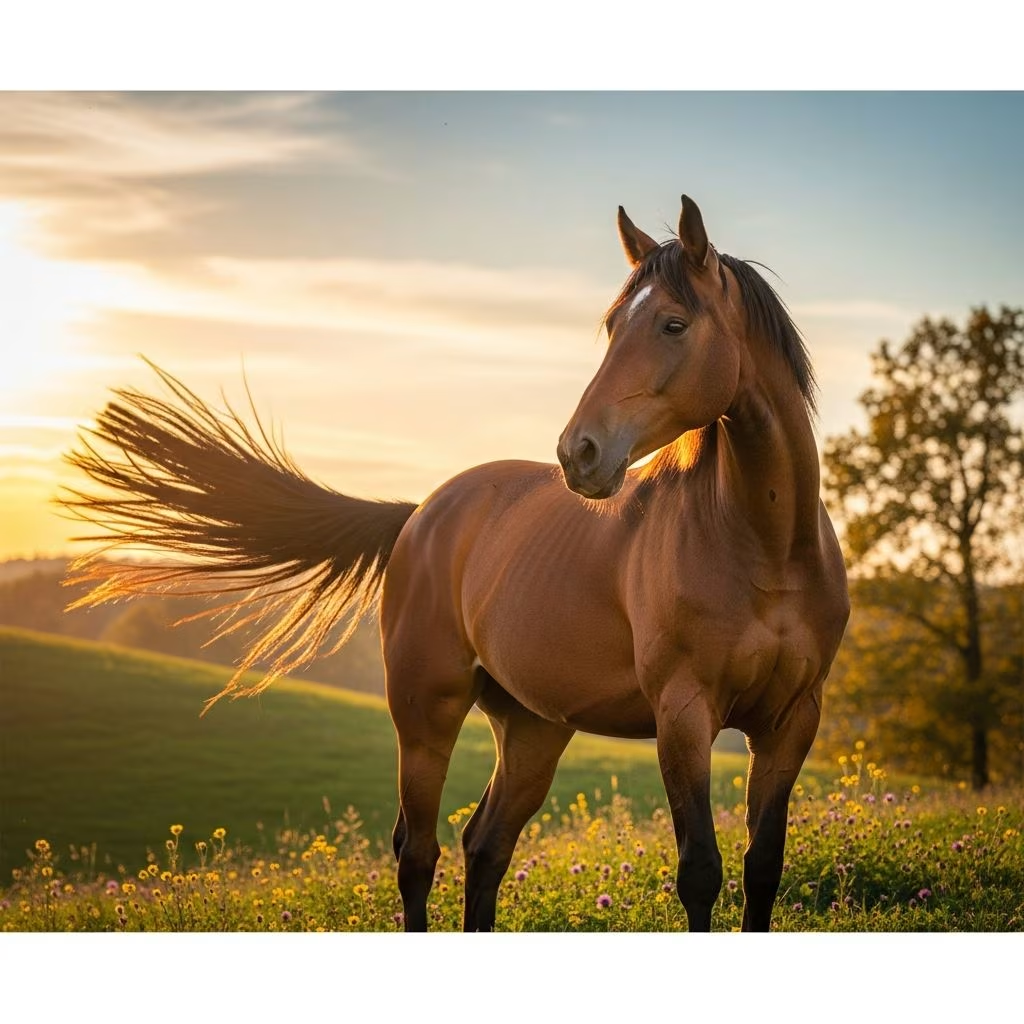
Why Horses Swish Their Tails: Understanding Equine Behavior
If you spend any time around horses, you’ve likely observed their tails in constant motion, especially during warm months. While tail swishing might seem like a simple, reflexive movement, the reasons behind it are far more complex and meaningful. A horse’s tail serves multiple important functions, and understanding what different tail movements mean can provide valuable insights into your horse’s physical health, emotional state, and overall well-being.
The tail is not merely a cosmetic feature—it’s an integral part of equine communication and body function. Horses communicate primarily through body language, and their tails play a significant role in conveying their emotions and physical sensations. Whether your horse is relaxed and content, irritated by insects, experiencing pain, or exhibiting learned behaviors, the way they move their tail tells a story. Learning to read these signals is essential for every horse owner and handler who wants to ensure their equine companion is healthy and comfortable.
1. Swatting Away Flies and Insects
The most common reason horses swish their tails is straightforward and practical: they’re removing flies and other bothersome insects from their bodies. During warmer months, when flies are most active, you’ll observe increased tail movement in pastures and paddocks. When a horse is simply swatting away flies, their tail movement has a distinctive quality that differs from other forms of tail swishing.
When engaged in fly-swatting behavior, a horse typically displays a relaxed tail that swishes in both directions—back and forth in a natural, rhythmic pattern. The tail maintains a loose, easy quality without tension or rigidity. This is one of the most benign reasons for tail movement and requires no intervention or concern from the handler. The horse is simply doing what nature intended: protecting itself from irritating pests.
During particularly fly-heavy seasons or in areas with high insect populations, you may notice horses spending considerable time and energy swishing their tails to maintain comfort. Some horses may even develop preferred positions in pastures where flies are less prevalent, and they’ll position themselves near fellow horses to provide mutual fly-swatting assistance. Providing fly masks, applying fly repellent, or ensuring access to shaded areas can help reduce the annoyance factor and make your horse more comfortable during peak fly season.
2. To Communicate and Express Themselves
Horses are highly communicative animals, and much of their expression happens through body language rather than vocalizations. The tail serves as an important component of this non-verbal communication system. Different tail positions and movements convey distinct messages about a horse’s emotional state and mental condition.
A horse with a loose, relaxed tail that sways softly and rhythmically from side to side is typically calm and content. This gentle, easy movement reflects a horse in a good emotional state—one who is comfortable with their surroundings and not experiencing stress or discomfort. You’ll often see this type of tail movement in horses who are peacefully grazing, relaxing in their paddock, or moving freely under saddle with an engaged but relaxed rider.
Conversely, rapid and vigorous swishing of a tight or tense tail communicates something quite different. This type of movement indicates that something is bothering the horse. According to equine behavioral experts, a horse exhibiting this behavior is experiencing annoyance about something in their environment or situation. The key to determining the cause is systematic observation and elimination. First, rule out physical pain or discomfort, then investigate other potential causes such as social issues or environmental stressors. Perhaps the horse doesn’t enjoy the company they’re in, feels threatened by another animal, or is reacting to an unfamiliar situation.
Understanding these distinctions helps handlers respond appropriately to their horse’s needs. Rather than viewing tail swishing as merely a behavioral quirk, recognizing it as a form of communication allows you to address underlying issues more effectively.
3. To Indicate Discomfort or Pain
One of the most important reasons to monitor tail swishing is its relationship to physical discomfort and pain. When a horse is in pain or experiencing discomfort while being ridden, their tail behavior often reflects this distress through specific patterns that differ from normal, relaxed swishing.
A tightly clamped or constantly wringing tail during exercise is a significant indicator that a horse is in pain or unhappy with their rider. Additionally, a tail held to one side, tucked between the hind legs, or held in a stiff, rigid position all suggest potential pain or discomfort. These tail positions represent the horse’s attempt to protect vulnerable areas or brace against discomfort.
Common causes of pain-related tail swishing in ridden horses include:
– Poorly fitting saddles or tack that pinches or rubs the horse’s back or sides
– Rough or inconsistent riding that causes the horse to brace against their back
– Underlying physical conditions such as gastric ulcers, back pain, or hind limb injuries
– Dental problems or bit discomfort that causes overall body tension
– Sacroiliac joint issues or other spinal misalignments
– Deep hip or hindquarter injuries or misalignments
To determine whether tail swishing during riding indicates pain, experts recommend reviewing equine veterinary researcher Sue Dyson’s comprehensive list of “24 Behaviors of the Ridden Horse in Pain.” Counting how many of these behaviors are present during a short ride can help you assess whether pain is a factor. Tail swishing, a clamped tail, and a tail held to one side are all included on this important diagnostic list.
If you notice these pain indicators in your horse, consulting with an equine veterinarian should be a priority. The veterinarian can perform a thorough physical examination, assess saddle fit, and recommend appropriate treatment or adjustments to address the underlying cause of discomfort.
4. Repeating a Learned or Habitual Behavior
Once you’ve ruled out flies, communication about emotional state, and physical pain, tail swishing may simply be a learned habit or repetitive behavior. Some horses develop tail swishing as a self-soothing or habitual behavior, particularly horses with what might be described as “addictive personalities” who engage in the behavior out of boredom.
Behavioral tail swishing differs from pain-related or fly-swatting tail movement in that it occurs in the absence of any apparent trigger. The horse isn’t responding to insects, isn’t experiencing discomfort, and isn’t trying to communicate distress—they’re simply repeating a behavior that has become habitual. This might develop if a horse has learned that swishing their tail gets attention, or it might represent a coping mechanism for boredom or under-stimulation.
The good news is that tail swishing on its own isn’t inherently harmful to the horse. If you’ve confidently ruled out all other causes and determined that the swishing is purely a learned habit, there’s no need to forcibly modify the behavior. However, addressing the underlying boredom or lack of mental stimulation will improve your horse’s overall well-being. Providing enriched environments, varied exercise routines, social interaction, and mental challenges can help redirect the horse’s focus and reduce habitual behaviors.
Understanding Context and Body Language
Determining the true cause of your horse’s tail swishing requires careful observation and contextual analysis. Rather than focusing solely on the tail, evaluate your horse’s entire body language and the circumstances surrounding the tail movement.
Consider these factors when assessing tail swishing:
– The overall body posture and muscle tension of the horse
– The position of the ears, eyes, and mouth
– Whether the behavior occurs consistently or sporadically
– Specific triggers that precede the tail swishing
– The horse’s general health and fitness level
– Environmental factors such as fly presence or weather conditions
– The horse’s behavior when not being ridden or handled
Observe the horse’s body language as a whole, and check their living space for irritating insects. Consider whether there’s a consistent trigger for the behavior, such as saddling or riding. If the tail swishing occurs primarily during certain transitions, movements, or when specific riding aids are applied, this suggests the horse may be experiencing discomfort related to those specific actions or positions.
Your equine veterinarian should be consulted promptly if you suspect that your horse is in pain, as early intervention can prevent the development of more serious problems and ensure your horse returns to comfort and optimal function.
The Connection Between Tail Movement and Spinal Health
Understanding the relationship between tail position and overall spinal health provides additional insight into what your horse’s tail is communicating. The tail is directly connected to the spine, and as the spine undulates through the horse’s body in a naturally serpentine pattern, the tail should move through this same motion.
When a horse is in good alignment with a healthy, properly functioning spine, the tail reflects this through fluid, natural movement that mirrors the horse’s body motion. As a horse’s balance improves and their back strengthens through proper training and conditioning, you’ll often observe changes in how they use their tail. The tail becomes an indicator of training progress and physical development.
Conversely, a tail that moves abnormally—twisted to one side, clamped down rigidly, or laid flat and listless—may indicate issues with spinal alignment, back pain, or problems with the communication between the horse’s brain and body. A flat, listless tail may suggest that energy and messages traveling up and down the spine aren’t flowing properly. When the tail is clamped down, the horse may be in fear or pain, closing down the hindquarters as a protective mechanism.
Frequently Asked Questions About Horse Tail Swishing
What does excessive tail swishing in horses mean?
Excessive tail swishing when a horse is at rest generally means flies or other insects are bothering the horse. However, during ridden work, excessive tail swishing may indicate irritation, discomfort, poor saddle fit, or other training-related issues that require investigation.
Do horses wag their tails when happy?
No. Most side-to-side tail movements in horses indicate discomfort, irritation, or fear. While some individual horses may swish their tails when bored or relaxed, this is not the same as the tail wagging that indicates happiness in dogs. Horses don’t use tail wagging as a primary indicator of positive emotion.
Why do horses swish their tails when being ridden?
The most common reason for horses to swish their tails when ridden is pain or discomfort. This may result from rough riding, poorly fitting tack, an underlying condition such as gastric ulcers, dental problems, or other physical issues. Irritation with riding aids, frustration with the work requested, or poor balance may also cause tail swishing during ridden work.
Is tail swishing always a sign of problems?
No, tail swishing isn’t always indicative of problems. Swatting away flies is a completely normal and benign reason for tail movement. However, tail swishing during ridden work, when combined with other signs of discomfort or tension, warrants investigation to rule out physical pain or training issues.
How can I tell the difference between normal and problematic tail swishing?
Normal fly-swatting involves a relaxed tail moving loosely in both directions with a rhythmic quality. Problematic tail swishing typically appears tense and rigid, moves more rapidly or violently, may involve the tail being held to one side or clamped down, and occurs in contexts unrelated to fly irritation, such as during specific riding movements or transitions.
What should I do if my horse swishes their tail excessively while riding?
First, rule out physical pain by consulting with your equine veterinarian. Then evaluate saddle fit, bit comfort, dental health, and your riding technique. Consider whether your aids may be too harsh or whether the horse is experiencing difficulty with specific movements. Finally, address any boredom or lack of mental stimulation that might contribute to habitual behaviors.
References
- Why Horses Swish Their Tails — Chewy Education. 2024. https://www.chewy.com/education/horse/general/why-horses-swish-their-tails
- Why do horses swish or wring or use their tails? With and without riders — Stacy Westfall. 2024. https://stacywestfall.com/why-do-horses-swish-or-wring-or-use-their-tails-with-and-without-riders
- Swishing Tail Excessively — Horse Side Vet Guide. 2024. https://horsesidevetguide.com/drv/Observation/1272/swishing-tail-excessively



