

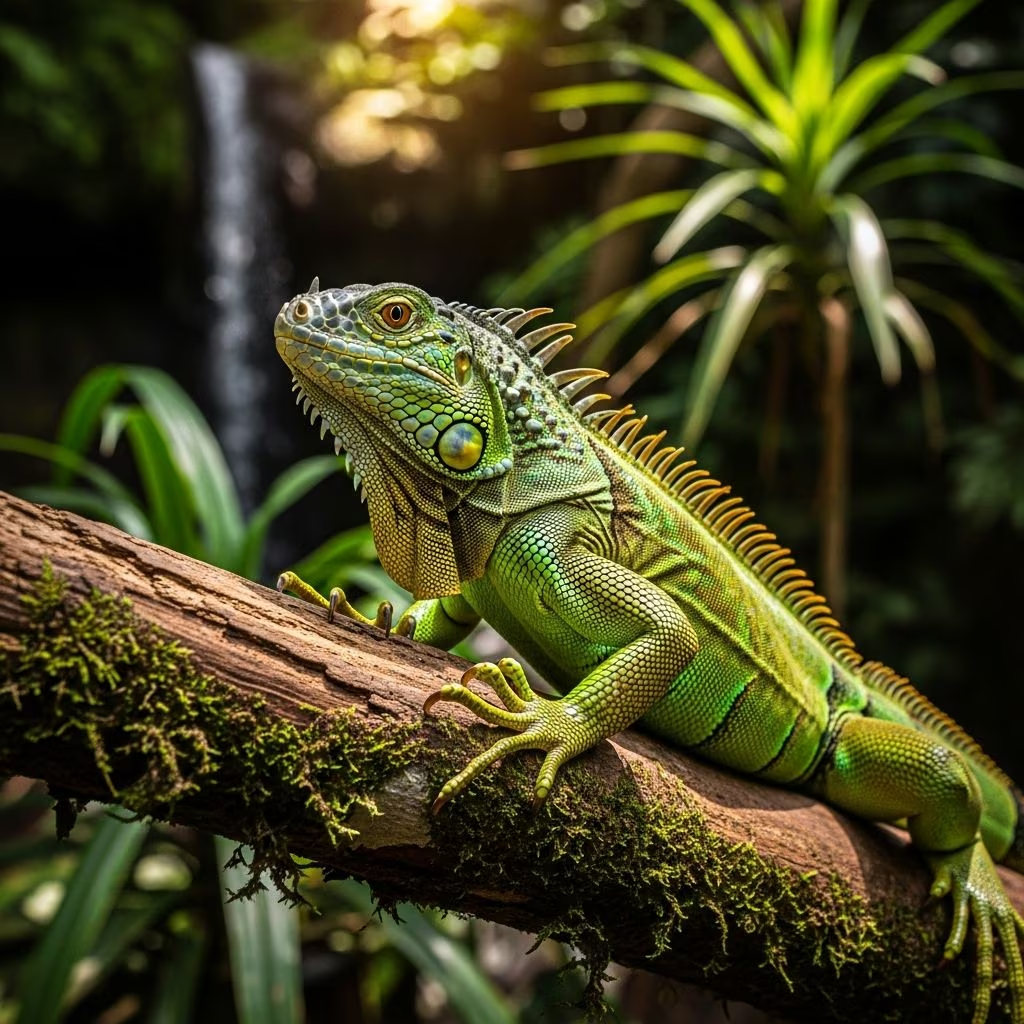
Green iguanas exhibit fascinating color variations that serve as indicators of their well-being, environment, and physiological state. These changes, ranging from subtle shade shifts to more pronounced hues, help owners gauge if their pets are thriving.
The Biology of Color in Green Iguanas
Green iguanas, scientifically known as Iguana iguana, possess skin cells called chromatophores that contain pigments responsible for their coloration. These cells expand or contract in response to stimuli, altering the lizard’s appearance without the dramatic transformations seen in chameleons. Typically displaying vibrant green tones, adults may shift to orange or pink during specific life stages, while juveniles start brighter.
This adaptive mechanism aids in thermoregulation, communication, and camouflage. Understanding these shifts allows reptile enthusiasts to maintain ideal conditions and detect potential issues early.
Environmental Factors Driving Color Shifts
The most frequent trigger for color changes in green iguanas is their surroundings, particularly temperature. As ectothermic reptiles, they rely on external heat sources to regulate body temperature.
- Cold conditions: When too cool, iguanas darken to absorb more sunlight, mimicking how darker surfaces heat faster.
- Excessive heat: Lighter shades reflect rays, preventing overheating.
Owners must replicate natural habitats with a temperature gradient: a basking spot of 95-105°F (35-40°C) and cooler areas around 75-85°F (24-29°C). Inconsistent gradients lead to persistent darkening or paling, signaling discomfort.
Seasonal and Reproductive Influences
During breeding periods, male green iguanas undergo striking transformations. Their bodies, spikes, dewlaps, and tails turn orange or reddish to assert dominance and attract females. This display peaks in cooler months for wild populations but can occur year-round in captivity if lighting mimics seasonal cycles.
Females may also show muted shifts. Post-breeding, colors revert, but prolonged changes warrant checking light schedules—12-14 hours of UVB daily promotes natural rhythms.
Health Signals Through Coloration
While many changes are benign, certain patterns indicate health concerns. Dull, grayish, or brownish tones often point to illness, stress, or injury.
| Color Indicator | Possible Cause | Action Steps |
|---|---|---|
| Darker than usual, prolonged | Chronic cold stress or respiratory infection | Check temps, vet visit if lethargic |
| Dull gray/brown | Parasites, bacterial infection, or injury | Examine for wounds, fecal test |
| Yellowish tint | Dehydration or liver issues | Increase humidity, monitor urates |
| Red/pink localized | Burns or skin trauma | Separate from heat source, apply salve |
Dehydration exacerbates color dullness, evidenced by orange urates or infrequent drinking. Maintain 60-80% humidity via misting, foggers, or soaks to prevent kidney strain.
Shedding and Age-Related Variations
Prior to shedding, skin may lighten or develop a cloudy appearance as old layers loosen. This cycle occurs every 4-6 weeks in juveniles, less frequently in adults. Support by increasing humidity to 80-90% during this phase.
Age influences baseline color: hatchlings are vivid green for camouflage, maturing to olive with banding. Older iguanas may fade naturally, but sudden shifts demand scrutiny.
Stress and Behavioral Triggers
Environmental disruptions like new tank mates, handling, or relocation cause temporary darkening from stress hormones. Provide hides, stable routines, and gradual introductions to minimize this.
Dominance displays in multi-iguana setups can induce orange hues, but aggression requires separation.
Optimal Enclosure Setup for Stable Coloration
To minimize unnatural changes, design enclosures mimicking tropical origins:
- Size: Minimum 6x2x6 ft for adults.
- Lighting: Full-spectrum UVB (10-12% output) over 12-hour cycle.
- Humidity: 60-70% ambient, spikes for sheds/soaks.
- Substrate: Moisture-retaining like coconut fiber.
- Enrichment: Branches, vines for climbing.
Monitor with digital gauges; log colors weekly to establish baselines.
Monitoring and Daily Care Routines
Observe your iguana during active periods (morning basking). Note changes alongside appetite, feces, and activity. Healthy iguanas bask vibrantly, eat varied greens (e.g., collards, dandelion), and produce solid urates.
Weekly weigh-ins track growth; sudden drops with color shifts signal vets.
When to Seek Veterinary Help
Consult a reptile specialist if changes persist >1 week, accompany lethargy, wheezing, or swelling. Diagnostics like bloodwork reveal infections or metabolic bone disease, common in poor setups.
FAQs
Is it normal for my green iguana to turn dark?
Yes, briefly for thermoregulation, but sustained darkening indicates low temps or illness.
Why does my iguana look orange?
Males often orange during breeding; females less so. Ensure proper lighting cycles.
Can dehydration cause color changes?
Yes, leading to dullness and orange urates. Boost humidity immediately.
Do green iguanas change color like chameleons?
No, changes are subtle and reactive, not voluntary camouflage.
What if my iguana is grayish?
Likely stress or sickness; vet check recommended with other symptoms.
References
- Common causes of color changes and dehydration in captive green iguanas — Exotic Animal Med. 2013-10-26. https://exoticanimalmed.wordpress.com/2013/10/26/common-causes-of-color-changes-and-dehydration-in-captive-green-iguanas/
- Do Iguanas Change Colors Like Chameleons? — A-Z Animals. Accessed 2026. https://a-z-animals.com/blog/do-iguanas-change-colors/
- Do Iguanas Change Colors? Learn Fascinating Facts — Iguana Busters. Accessed 2026. https://iguanabusters.com/do-iguanas-change-colors/
- Green Iguana — Florida Fish and Wildlife Conservation Commission (FWC). Accessed 2026. https://myfwc.com/wildlifehabitats/profiles/reptiles/lizards/green-iguana/



