

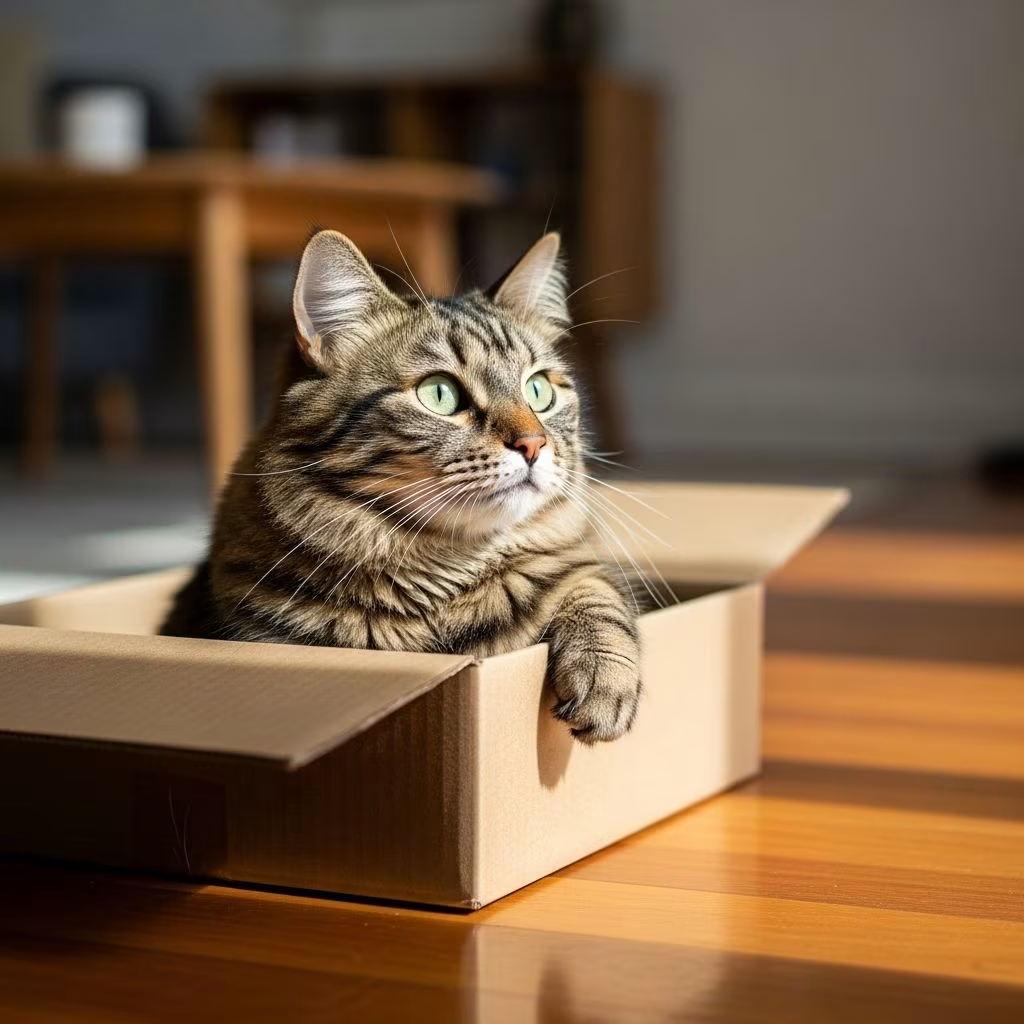
Why You Should Give Your Cat a Cardboard Box
If you’ve ever brought home a new purchase and watched your cat ignore the expensive toy in favor of the cardboard box it came in, you’re not alone. This quirky feline behavior isn’t random—it’s rooted in legitimate scientific and behavioral reasons. Cats who have boxes have significantly lower stress levels than cats who do not have boxes, making cardboard boxes one of the simplest yet most effective enrichment tools you can provide for your feline companion.
The Science Behind Cats and Boxes
Understanding why cats are drawn to cardboard boxes begins with recognizing their natural instincts and psychological needs. While your cat may appear to be a domesticated lap pet, deep within their DNA lies the instinct of a wild predator. Cats retain their natural survival mechanisms even in the comfort of your climate-controlled home, and boxes serve as a direct response to these primal needs.
Meeting the Need for Safety and Security
One of the primary reasons cats gravitate toward cardboard boxes is their instinctive need to feel safe and secure with walls on all sides. Boxes provide cats with a sense of refuge from their environment, creating a personal fortress where they can retreat when they feel overwhelmed or threatened. Unlike open spaces where they feel exposed to potential danger, enclosed boxes offer psychological comfort by reducing their perceived vulnerability.
The concept of hiding isn’t reserved for scared or shy cats—all cats enjoy it. Even the most confident, outgoing feline appreciates having a secure space to retreat to. This stems from their evolutionary past when hiding in small spaces was essential for survival. In the wild, a cat in an open area is a cat exposed to predators, but a cat in a confined space can observe potential threats while remaining protected. Your pet hasn’t forgotten this ancient survival strategy, and boxes trigger these comforting instincts automatically.
Thermal Comfort and Physical Warmth
Beyond psychological safety, cardboard boxes provide physical warmth that cats find deeply comforting. The insulating properties of cardboard help maintain your cat’s body temperature, creating a cozy microclimate within the box. This warmth mimics the comfort kittens receive from their mothers during early development, tapping into deep-seated associations with safety, nourishment, and maternal care.
Stress Reduction and Mental Health Benefits
Scientific research demonstrates that providing cats with hiding places, particularly cardboard boxes, directly correlates with reduced stress levels. A stressed cat exhibits behavioral problems, health issues, and reduced quality of life. Boxes serve as stress-relief sanctuaries where cats can decompress and regulate their emotions.
When your cat enters their box, they’re engaging in a form of self-soothing behavior. The act of retreating to a secure space allows them to process stimuli, recover from stressful situations, and recharge emotionally. This is particularly important in multi-cat households, homes with children, or environments with significant changes or disruptions. By providing a cardboard box escape route, you’re actively contributing to your cat’s mental health and emotional resilience.
Territory Building and Confidence Boosting
Cats are territorial animals with a strong need to establish and maintain their own space within a larger environment. When your cat enters a cardboard box, they don’t merely seek shelter—they actively mark it as their territory. Through rubbing against the box’s interior surfaces, your cat deposits pheromones that communicate ownership and familiarity.
This pheromone-marking behavior serves multiple purposes. First, it creates a familiar scent signature that makes the cat feel more comfortable and confident in their environment. Second, it communicates to other animals in the household that this space belongs to them. The act of marking territory through pheromone deposits boosts your cat’s confidence by establishing a definable portion of your home as exclusively theirs. This sense of ownership and control significantly impacts their overall well-being and reduces anxiety.
For shy or anxious cats, this confidence-building aspect of boxes is particularly valuable. A timid cat who spends time in their own marked territory gradually becomes more confident, and this increased confidence often extends to other areas of their life and interactions with family members.
Redirecting Natural Destructive Instincts
Cats possess natural instincts to bite, rip, scratch, and chew. These aren’t behavioral problems or signs of mischief—they’re fundamental feline behaviors rooted in their predatory nature and need for environmental interaction. Without appropriate outlets for these behaviors, cats will satisfy them using your furniture, curtains, carpets, and other household items.
Cardboard boxes offer an ideal solution to this behavioral challenge. By providing cardboard boxes, you’re giving your cat a socially acceptable target for their destructive urges. The texture of cardboard is inherently satisfying for cats to scratch, bite, and tear. The material yields to their efforts, providing immediate gratification and feedback that encourages continued use of the box rather than your belongings.
The beauty of this solution lies in its economy. Cardboard boxes cost nothing or very little—they’re often free from deliveries or retailers. By channeling your cat’s destructive instincts toward free, disposable boxes, you’re simultaneously protecting your home furnishings and providing your cat with enrichment. You’re essentially converting trash into treasure, turning something destined for recycling into valuable cat entertainment and behavioral management.
Practical Applications for Different Life Situations
Introducing New Cats to Your Home
When bringing a new cat into your home, cardboard boxes become essential tools for stress management and gradual acclimation. New cats are often overwhelmed by unfamiliar sounds, smells, and sights. Placing cardboard boxes in their initial safe room provides immediate refuge where they can decompress before exploring their new environment at their own pace.
For new cats, equipping their room with cardboard boxes or other hiding places is just as important as providing food, water, toys, and a litter box. These boxes give nervous cats the security they need to gradually build confidence and familiarity with their surroundings.
Multi-Cat Households
In homes with multiple cats, cardboard boxes with holes cut in two sides create safe passing areas where cats can move through spaces without feeling trapped. The dual-exit design allows a cat to escape if cornered by another feline, reducing territorial conflicts and stress-related aggression. These boxes facilitate peaceful coexistence by providing escape routes and refuge areas for each cat.
Shelter and Rescue Environments
Animal shelters recognize cardboard boxes as invaluable tools for cat welfare. For shy and fearful shelter cats, boxes provide the refuge necessary to cope with the stressful shelter environment. Multiple hiding areas reduce stress-related illnesses and behavioral problems, improving adoption rates and overall cat welfare.
Enhancing Your Cat’s Box Experience
Box Selection and Placement
Choose boxes that are appropriately sized for your cat—large enough to move around comfortably but small enough to feel secure and enclosed. Place boxes in quiet, low-traffic areas away from main household activity, allowing your cat peaceful access without disruption. Position boxes at different heights to accommodate both ground-dwelling and tree-dwelling cats.
Making Boxes More Appealing
Enhance the comfort of cardboard boxes by adding blankets or towels to the interior. This adds warmth, comfort, and makes the box more inviting. For additional enrichment, cut holes in multiple sides to create windows for observation, or place toys inside to encourage play and interaction. You can even create multiple chambers within a larger box using trimmed toilet paper rolls, providing different areas for exploration and play.
Maintenance and Replacement
Cardboard boxes deteriorate over time as your cat uses them, but this is part of their appeal. As boxes break down, they provide satisfying texture for scratching and destruction. When a box becomes too worn, simply replace it with a new one. This rotation keeps the enrichment fresh and engaging for your cat while continuing to provide all the benefits of box ownership.
Common Questions About Cats and Cardboard Boxes
Q: Why does my cat prefer boxes to expensive cat beds?
A: Cardboard boxes fulfill your cat’s instinctive needs for security and hiding in ways that open beds cannot. The enclosed space, the satisfying texture, and the psychological comfort of walls on all sides make boxes inherently more appealing to cats than open beds, regardless of cost or cushioning.
Q: Can I use plastic boxes instead of cardboard?
A: While plastic boxes can provide shelter, cardboard boxes offer unique benefits. Cardboard provides better insulation, satisfies the natural urge to scratch and chew, and can be safely destroyed without harm to your cat. Plastic boxes are less satisfying for cats’ natural behaviors and don’t provide the same sensory experience.
Q: How many boxes should I provide for my cat?
A: Provide multiple boxes throughout your home at different heights and locations. For multi-cat households, offer enough boxes so each cat has several options and can establish their own territories. A general guideline is to provide at least as many boxes as you have cats, plus one additional box.
Q: Is it safe for cats to play in and destroy cardboard boxes?
A: Yes, cardboard boxes are completely safe for cats. They’re non-toxic and designed to be biodegradable. The only precaution is to remove any staples, tape, or plastic packing materials before giving boxes to your cat. Monitor your cat to ensure they don’t ingest large quantities of cardboard, though small amounts are generally harmless.
Q: What should I do if my cat isn’t interested in boxes?
A: While most cats love boxes, some individuals may need encouragement. Try placing the box in a quiet area, adding catnip inside, or placing treats or toys in the box to make it more appealing. You can also try different box sizes and styles to find what your particular cat prefers.
Q: Can boxes help with litter box issues?
A: Providing boxes alongside proper litter box setup can help with stress-related litter box avoidance. Since stress is a common cause of litter box problems, reducing overall stress through boxes and hiding places can improve litter box habits and prevent behavioral issues.
Conclusion
Cardboard boxes represent one of the most underrated and underutilized tools in feline enrichment and welfare. Far from being simple packaging materials, they serve critical functions in your cat’s physical health, mental well-being, and behavioral outlet needs. By providing cardboard boxes, you’re honoring your cat’s instinctive needs for safety, security, and territorial expression while redirecting natural behaviors toward appropriate targets.
The combination of stress reduction, confidence building, and behavioral management makes cardboard boxes an essential component of responsible cat care. Whether you’re introducing a new cat to your home, managing multiple felines in one household, or simply enriching your current cat’s life, cardboard boxes offer measurable benefits at minimal cost. The next time a package arrives at your door, before you recycle that box, consider offering it to your feline friend. You’ll likely find them happier, calmer, and more confident—all from something you were about to throw away.
References
- Why You Should Give Your Cat a Cardboard Box — Best Friends Animal Society. 2024. https://bestfriends.org/pet-care-resources/why-you-should-give-your-cat-cardboard-box
- Why Do Cats Like Cardboard Boxes? — Hill’s Pet Nutrition. 2024. https://www.hillspet.ca/en-ca/cat-care/behavior-appearance/why-do-cats-like-cardboard-boxes
- How to Introduce Cats to Each Other — Best Friends Animal Society. 2024. https://bestfriends.org/pet-care-resources/how-introduce-cats-each-other
- How to Get Your Cat to Use the Litter Box — Best Friends Animal Society. 2024. https://bestfriends.org/pet-care-resources/how-get-your-cat-use-litter-box
- New Cat Checklist: Welcome Your New Feline Friend Home — Best Friends Animal Society. 2024. https://bestfriends.org/pet-care-resources/new-cat-checklist-welcome-your-new-feline-friend-home
- Enrichment for Shelter Cats — Best Friends Animal Society. 2024. https://bestfriends.org/pet-care-resources/enrichment-shelter-cats



