

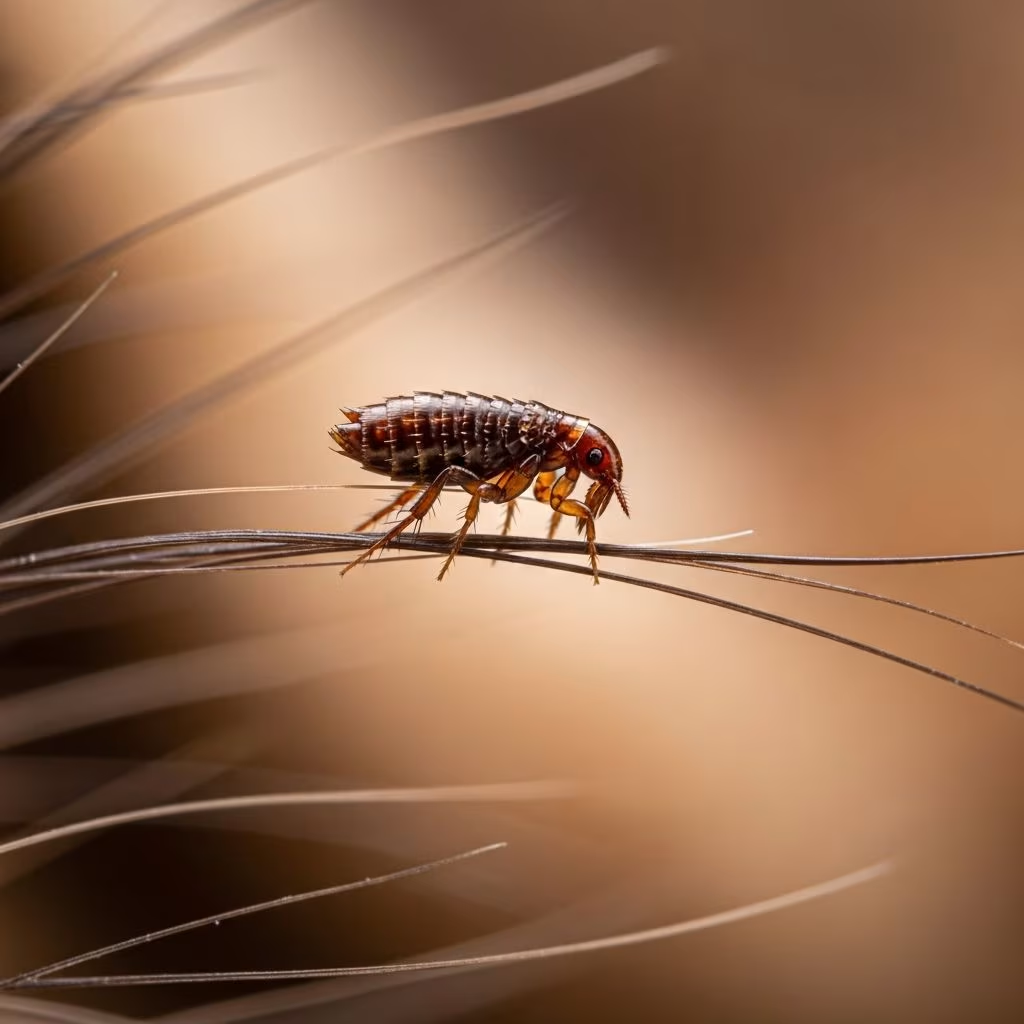
Flea infestations persist on pets despite treatments due to factors like improper application, environmental neglect, and emerging resistance. Addressing these comprehensively ensures successful eradication and prevention.
Understanding the Flea Life Cycle’s Role in Treatment Challenges
Fleas undergo complete metamorphosis with egg, larva, pupa, and adult stages, spending up to 95% of their life cycle off the pet in the environment. This makes pet-only treatments insufficient, as unseen eggs and larvae continually replenish adults that reinfest hosts. Breaking this cycle demands integrated pet and home management.
Adult fleas represent just 5% of the population; the rest hide in carpets, bedding, and soil, hatching over weeks triggered by warmth, vibration, or carbon dioxide from passing hosts. Without environmental intervention, even potent pet products face endless reinfestation.
Application Mistakes That Undermine Flea Products
Topical spot-on treatments fail when not reaching the skin’s sebaceous glands, where they distribute via oils. Applying to fur instead of parting it and squeezing directly onto skin leaves medication on the surface, ineffective against feeding fleas.
- Part fur to expose skin at the base of the neck and along the back.
- Use precise dosage by pet weight; under- or overdosing reduces efficacy or risks toxicity.
- Avoid rubbing in, as this spreads product unevenly.
Oral treatments lose potency if pets vomit or experience diarrhea post-dose, delivering incomplete protection. Always monitor for 24 hours after administration.
Water Exposure Timing and Its Impact
Spot-on formulas require 24-48 hours to absorb fully before becoming waterproof. Bathing, swimming, or rain exposure too soon rinses away active ingredients, leaving pets vulnerable.
| Timing | Recommended Action | Risk if Ignored |
|---|---|---|
| 0-24 hours post-application | Keep dry; no baths or swims | 50-100% product loss |
| 24-48 hours | Minimal exposure only | Reduced absorption |
| After 48 hours | Normal activities resume | Full protection achieved |
Use pet-safe shampoos if washing is unavoidable, but space them monthly at minimum to preserve treatment residues.
The Growing Problem of Flea Resistance
Repeated use of the same active ingredients like fipronil or imidacloprid fosters resistant flea populations in certain regions. Over generations, survivors pass on genes evading these chemicals, rendering familiar products obsolete.
Rotation strategies help: alternate between chemical classes such as isoxazolines (e.g., fluralaner), neonicotinoids, and macrocyclic lactones. Veterinary prescription options target multiple life stages for broader spectrum control.
Overlooking the Household Environment
A flea-infested home acts as a reservoir, dropping new adults onto treated pets daily. Vacuuming stimulates pupal hatching, exposing them to treatments or removal.
- Vacuum carpets, rugs, furniture, and baseboards daily for 2 weeks.
- Wash pet bedding in hot water weekly.
- Employ insect growth regulators (IGRs) or premise sprays targeting eggs/larvae.
- Declutter to access hidden flea hotspots.
In multi-pet homes, treat all animals simultaneously with species-appropriate products—dog formulas can poison cats.
Inconsistent Scheduling and Product Quality Issues
Flea products demand strict monthly reapplication; gaps allow population rebounds. Year-round treatment suits warmer climates where fleas thrive continuously.
Expired or counterfeit products from unreliable sources deliver subpar results. Purchase from veterinarians or trusted retailers, verifying dates before use.
Multi-Pet and Lifestyle Factors
Untreated household pets or wildlife visitors perpetuate cycles. Outdoor dogs in high-traffic areas like parks or kennels face higher exposure risks.
Minimize contact during initial treatment phases and maintain barriers like indoor-only policies for cats.
Debunking Ineffective Home Remedies
Popular alternatives like dish soap baths, garlic, or vinegar lack evidence and may harm pets. Dish soap drowns few adults but ignores 95% off-host stages; garlic risks anemia in dogs.
Stick to EPA-registered, vet-recommended options for safety and efficacy.
Step-by-Step Action Plan for Flea Eradication
- Consult vet for tailored product selection based on pet age, weight, health, and local resistance.
- Treat all pets on day 1 with correct dosing/application.
- Initiate daily vacuuming and weekly bedding washes.
- Apply premise treatment (sprays/IGRs) on day 2, avoiding pet contact areas initially.
- Reapply pet treatments monthly; monitor environment for 3 months.
- Reassess if fleas persist after 4 weeks—switch products or seek pro pest control.
Frequently Asked Questions
How long does it take for flea treatments to work?
Visible adults die within 24-48 hours, but full control requires 2-3 months to clear environmental stages.
Can I use dog flea products on cats?
No—many are toxic to felines. Always use cat-specific formulations.
What if my pet is pregnant or nursing?
Consult a vet; some products are safe, others contraindicated.
Do indoor-only pets need flea prevention?
Yes, eggs from prior infestations or visitors can persist indoors.
How do I know if fleas are resistant?
Persistent fleas despite correct use signal resistance; vet testing or rotation confirms.
Preventive Strategies for Long-Term Success
Integrate year-round prevention with regular vet check-ups. Monitor for early signs like itching or flea dirt (black specks turning red in water). Educate on flea biology empowers proactive ownership, reducing vet bills and pet discomfort.
In 2026, advancements like combination preventives targeting fleas, ticks, and heartworms offer convenient all-in-one solutions. Pair with smart home monitoring for emerging infestations.
References
- 7 Reasons Why Your Dog’s Flea Treatments May Fail — Pets4Homes. 2023-05-15. https://www.pets4homes.co.uk/pet-advice/seven-things-that-can-cause-your-dogs-flea-treatments-to-fail.html
- Why Topical Flea Treatments Fail in 2025: Causes and Fixes — Hardy Paw. 2025-01-10. https://hardypaw.com/blogs/news/why-topical-flea-treatments-fail-in-2025-causes-and-fixes
- Three Reasons Flea Treatments Fail — Colonial Pest Control. 2015-05-06. https://www.colonialpest.com/2015/05/06/3-reasons-flea-treatments-fail/
- 7 Reasons Your Dog’s Flea Treatments Fail in 2025 — Lancaster Puppies. 2025-03-20. https://www.lancasterpuppies.com/pet-advice/7-reasons-your-dogs-flea-treatments-fail-2025.html
- Why Isn’t My Flea Treatment Working? — Vets4Pets. 2024-08-12. https://www.vets4pets.com/pet-health-advice/why-isnt-my-flea-treatment-working/



