Why Ferrets Scratch and Lick Excessively
Discover the hidden reasons behind your ferret's constant scratching and licking, from normal grooming to serious health issues.
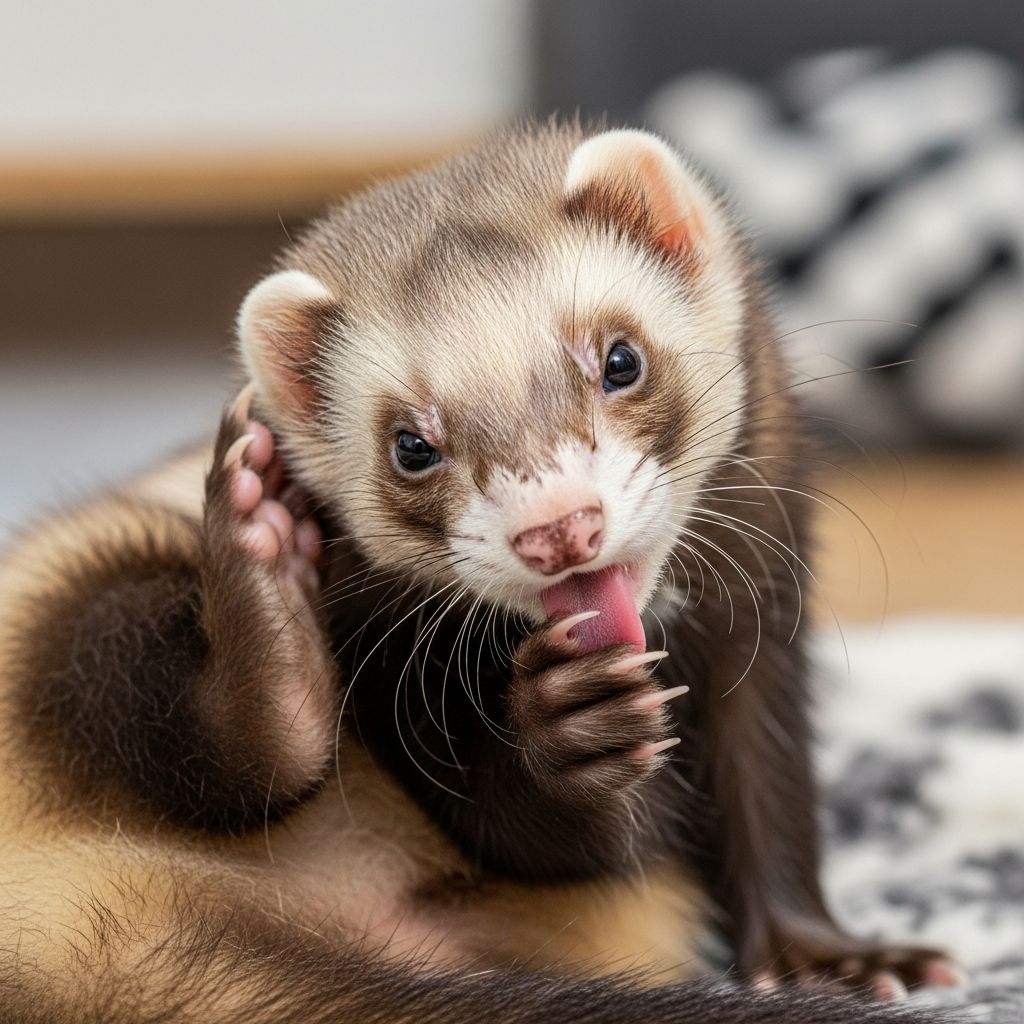
Ferrets are playful, energetic pets known for their curious nature and grooming habits. However, when scratching or licking becomes relentless, it signals potential discomfort. This behavior, medically termed pruritus, involves an intense urge to scratch, chew, bite, or lick the skin, often leading to inflammation, hair loss, and self-inflicted wounds. Understanding the distinction between normal self-maintenance and problematic actions is crucial for ferret owners.
Normal Grooming vs. Problematic Itching in Ferrets
Ferrets naturally groom themselves much like cats, using licking, gentle nibbling, and scratching to maintain their coat. This removes loose fur, distributes natural oils from sebaceous glands, and keeps their skin healthy. Perianal glands and other scent glands produce oils for marking territory, which can make their fur oily and slightly itchy during grooming sessions.
However, excessive behavior crosses into pruritus territory when it disrupts daily activities, causes visible skin changes, or persists beyond short bouts. Normal grooming is brief and purposeful, while pruritus leads to raw patches, bald spots, and secondary infections from constant trauma. Ferrets with healthy skin show shiny coats without baldness or redness.
- Normal signs: Occasional scratching after play, licking paws clean, chin rubbing for scent marking.
- Warning signs: Non-stop pawing at one area, hair loss, inflamed skin, restlessness at night.
Parasitic Infestations: A Leading Culprit
External parasites top the list of itch inducers in ferrets. Fleas, lice, and mites burrow into the skin or lay eggs, triggering allergic reactions to saliva or waste. Sarcoptic mange mites (Sarcoptes scabiei) are particularly vicious, burrowing into the epidermis to cause intense itching, red pustules, crusting, and secondary bacterial infections. These mites spread via direct contact or shared bedding, making multi-pet households vulnerable.
Scabies leads to frantic rubbing, chewing, and licking, often damaging ears, elbows, and flanks. Owners may spot tiny black specks (flea dirt) or live parasites under magnification. Untreated, ferrets self-traumatize, worsening the cycle.
| Parasite Type | Symptoms | Transmission |
|---|---|---|
| Fleas/Lice | Intense flank scratching, flea dirt, jumping insects | Contact, environment |
| Sarcoptic Mites | Crusty red skin, hair loss, pustules | Direct contact, fomites |
| Ear Mites | Head shaking, ear wax, dark debris | Contact with infected animals |
Allergies and Environmental Triggers
Allergic reactions provoke up to 30% of pruritus cases in ferrets. Food allergies to proteins like chicken or beef manifest as itchy paws, ears, and belly. Environmental allergens—dust mites, pollen, or bedding fibers—irritate via inhalation or contact. Contact dermatitis from harsh shampoos or fabrics causes localized redness.
Ferrets lick allergenic paws obsessively, ingesting more triggers and perpetuating inflammation. Poor diet exacerbates this; imbalanced fats denature omega fatty acids, weakening skin barriers and promoting dryness. Symptoms worsen seasonally or after diet changes.
Hormonal and Internal Diseases
Adrenal gland disease affects nearly 30% of itchy ferrets, especially unspayed adults over 3 years. Tumors overproduce hormones like estrogen or cortisol, thinning skin, causing baldness, and intensifying pruritus. Affected ferrets scratch flanks and hindquarters voraciously, developing ‘scratch fever’ from self-trauma.
Endocrine imbalances alter skin cell turnover, making it fragile. Ultrasound reveals enlarged adrenals; blood tests confirm hormone spikes. Untreated, it progresses to anemia and weakness.
Infections and Skin Conditions
Bacterial or fungal invasions follow parasite damage or wounds from rough play. Staphylococcus bacteria thrive in moist, traumatized skin, forming abscesses. Fungal issues like ringworm cause circular alopecia and scaling.
Ferrets’ robust immunity usually fights mild cases, but stressed or elderly pets need antibiotics or antifungals. Owners note greasy fur from overactive sebaceous glands, mimicking infections.
Behavioral and Normal Quirks Mimicking Issues
Not all scratching signals illness. Ferrets scratch during dominance displays, post-meal ‘pancaking,’ or scent marking via chin rubs and bum drags. Play biting, alligator rolls, and excited dooking involve nibbling fur. Urine licking, a vestigial polecat trait, occurs without health issues.
Distinguish by context: isolated episodes versus chronic patterns. Boredom prompts excessive grooming; enrich environments with tunnels and toys to curb this.
Diagnosing the Underlying Issue
Veterinarians begin with a thorough exam, noting lesion patterns (e.g., symmetric for allergies, localized for mites). Skin scrapings reveal parasites under microscope. Allergy tests, fungal cultures, and cytology identify infections.
Ultrasounds and hormone panels rule out adrenal disease. Biopsies confirm tumors. Fecal exams check internals. Trial diets eliminate food allergies.
- History review: Onset, diet, environment changes.
- Physical: Skin, coat, lymph nodes.
- Lab work: Blood, cytology, scrapes.
- Imaging: Adrenals, abdomen.
Treatment Strategies for Relief
Tailor treatments to causes. Parasites demand topical insecticides like selamectin or ivermectin baths, plus environmental decontamination. Allergies require hypoallergenic diets, antihistamines, and omega supplements.
Adrenal cases may need surgery (adrenalectomy) or drugs like leuprolide injections. Infections get antibiotics; severe pruritus uses anti-itch topicals or oral steroids short-term.
Supportive care: Oatmeal baths soothe, cone collars prevent trauma, probiotics aid gut health.
Preventive Measures for Healthy Skin
Prevention beats cure. Monthly flea preventives, regular vet checks, and balanced diets with quality proteins/fats maintain skin integrity. Clean bedding weekly, avoid irritants. Spay/neuter reduces adrenal risks. Monitor for early signs during playtime.
- Use ferret-specific foods high in animal proteins.
- Flea-comb weekly; vacuum thoroughly.
- Provide dust-free litter and hammocks.
- Annual bloodwork for early detection.
Living with a Pruritic Ferret: Management Tips
Ongoing care is key. Track symptoms in a journal for vet updates. Post-surgery, watch for recurrence. Enrich play reduces stress-induced grooming. Patience yields shiny, happy ferrets.
Frequently Asked Questions (FAQs)
Is scratching always a sign of fleas in ferrets?
No, while common, allergies or hormones cause most cases. Vet diagnostics pinpoint the issue.
Can diet alone fix ferret itching?
Diet helps allergies but not parasites or adrenal disease. Combine with vet care.
How do I stop my ferret from licking wounds?
Elizabethan collars, bitter sprays, or e-collars protect skin during healing.
Does neutering prevent skin problems?
It lowers adrenal disease risk, a major pruritus cause, but doesn’t eliminate parasites.
When is emergency vet care needed?
If open wounds, lethargy, or rapid hair loss occur, seek immediate help.
References
- Pruritus in Ferrets — PetMD. 2023. https://www.petmd.com/ferret/conditions/skin/c_ft_pruritus
- Basic Ferret Behaviours — That Ferret Blog. 2022. https://thatferret.blog/posts/basic-ferret-behaviours/
- Help! My Ferret Won’t Stop Scratching — Pazu and Friends. 2021. https://pazuandfriends.weebly.com/mustelid-blog/help-my-ferret-wont-stop-scratching
- Mites and Your Ferret — Vets4Pets. 2024. https://www.vets4pets.com/pet-health-advice/ferret-advice/mites-and-your-ferret/
- FERRET BEHAVIOR — PMC – PubMed Central – NIH. 2020-04-01. https://pmc.ncbi.nlm.nih.gov/articles/PMC7158301/
- Biting, Digging, Chewing & Climbing — Ferret Care & Education. 2022. https://sites.google.com/site/ferretcareeducation/play-time/biting-digging-chewing-climbing
Similar Articles








Read full bio of Sneha Tete