
Why Electric Flea Traps Fail Pet Owners
Discover the truth about electric flea traps and proven alternatives for effective flea control in your home.
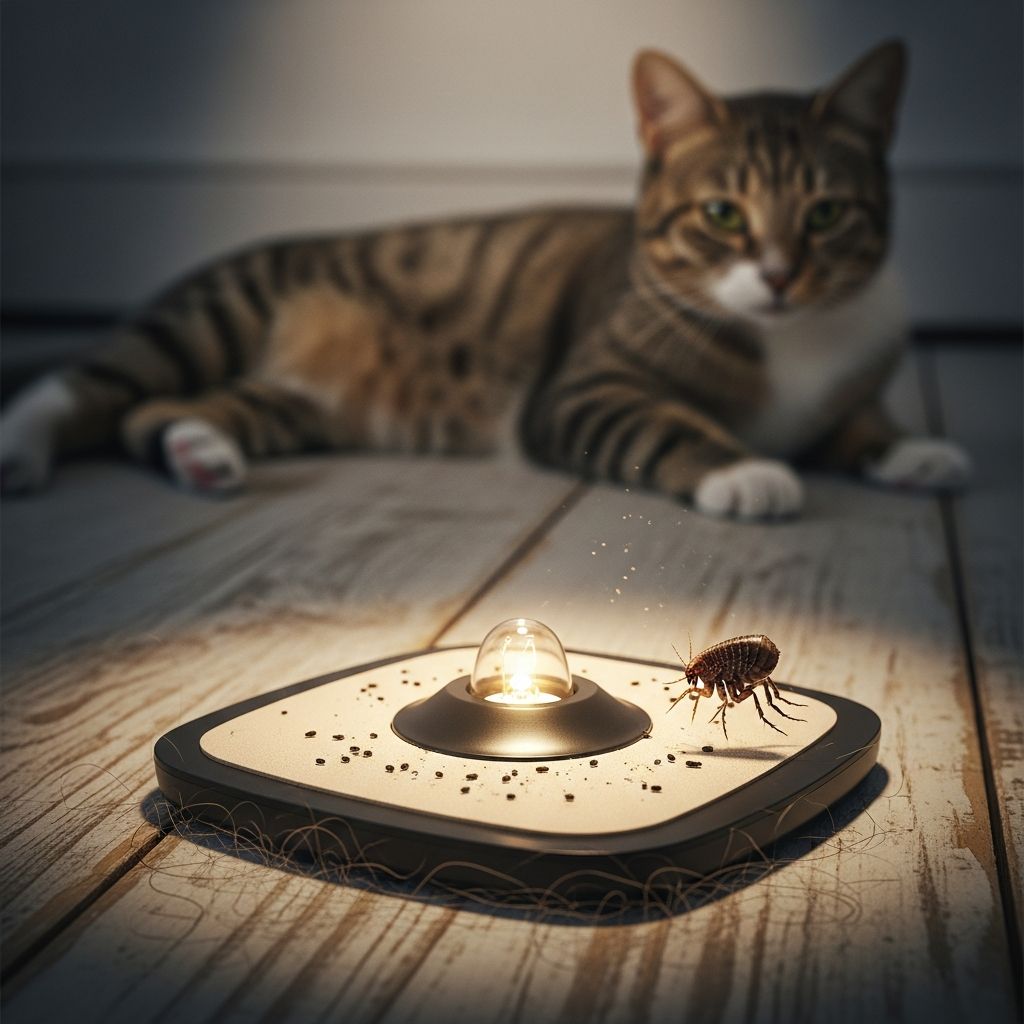
Electric flea traps marketed as simple solutions for pet owners often disappoint, capturing few if any fleas despite claims of using light and heat to lure them. These devices typically feature a small bulb over a sticky pad, but real-world testing reveals their limited impact on flea populations, especially in homes with moderate infestations.
The Science Behind Flea Attraction – Or Lack Thereof
Fleas are drawn primarily to warmth, carbon dioxide from breathing, and vibrations from hosts rather than visible light or infrared rays. Devices relying on a glowing bulb assume fleas jump toward light sources, but studies and practical tests show this attraction is weak at best. Fleas navigate using sensory organs tuned to host cues, not artificial lights in carpeted environments where they thrive.
- Primary attractants: Body heat (around 98°F) and exhaled breath.
- Secondary cues: Movement and shadows.
- Minimal response: Light wavelengths, even blue LEDs claimed to be superior.
Manufacturer tests may show promise in controlled lab settings, but household conditions dilute effectiveness due to competing stimuli like pet activity and ambient light.
Real-World Performance: Testing Electric Traps
In controlled home trials spanning two months, traps placed in high-traffic pet areas caught zero fleas despite visible infestations confirmed by combing. Devices plugged into outlets near crates and doorways attracted minor insects like gnats but ignored jumping fleas observed nearby. Manual tests, such as placing combed fleas directly on sticky pads, confirmed adhesion capability, yet natural jumping behavior bypassed the traps entirely.
| Trap Type | Test Duration | Fleas Caught | Other Insects |
|---|---|---|---|
| Standard Bulb Trap | 2 Months | 0 | Flies, gnats, 1 ant |
| LED Blue Light Trap | Lab Claimed | Variable (up to 2x green light) | Not specified |
| User Anecdote | 4 Weeks | 23, then 7, then 0 | N/A |
Anecdotal successes exist, such as one user reporting 23 fleas in the first week tapering to none, but these are outliers amid widespread reports of failure. Factors like infestation level, room darkness, and trap placement influence results inconsistently.
Common Myths About Light-Based Flea Devices
Many products tout infrared or specific LED colors as flea magnets, but evidence lacks peer-reviewed backing. Blue LEDs reportedly doubled captures over green in proprietary tests, yet independent verification is scarce. Battery-operated models promise portability, but their 15-30 night runtime doesn’t guarantee flea reduction.
- Myth 1: All fleas head for light – Reality: Only a fraction do, preferring hosts.
- Myth 2: Sticky pads ensure control – Reality: Pads catch what lands, but attraction fails.
- Myth 3: Non-toxic means fully effective – Reality: Safe but insufficient alone.
Understanding Flea Life Cycles for Better Control
Fleas spend 95% of their life off pets in egg, larva, and pupa stages hidden in carpets, furniture, and yards. Adults comprise just 5%, making trap targeting inefficient. Eggs hatch in 1-12 days, larvae feed on organic debris for weeks, and resilient pupae wait months for cues to emerge.

To disrupt this cycle, address all stages simultaneously rather than relying on adult traps.
Proven Non-Toxic Flea Control Strategies
Integrated Pest Management (IPM) outperforms gimmicks by combining mechanical and environmental tactics. Vacuum daily to remove 95% of eggs and larvae, wash bedding in hot water weekly, and comb pets thoroughly.
- Daily vacuuming: Targets hidden stages in rugs and upholstery.
- Flea combing: Removes adults; drown in soapy water.
- Hot washes: Kills all stages on fabrics (140°F+).
- Yard maintenance: Mow grass short, remove debris.
Simple DIY traps using soapy water under flickering lights catch more than electric models by simulating host movement via shadows.
Dangers of Chemical Alternatives and Collars
Spot-on treatments and collars carry risks; popular collars link to thousands of pet incidents due to synergistic toxins like imidacloprid and flumethrin. Experts recommend against them, favoring mechanical methods to avoid pet and human exposure.
“Flea collars are not a good idea due to potential exposure to pets and humans who cuddle them.” – Entomologist insights.
Monitoring Infestations Without Traps
Wear white socks in suspected areas; fleas jump visibly onto them, providing instant detection without devices. Pet store monitoring traps serve this purpose adequately but not for eradication.
Market Trends in Flea Control Devices
The flea trap market reached $412 million in 2024, driven by demand for non-chemical options, yet growth highlights unproven gadgets over evidence-based tools. Consumers should prioritize vacuuming, proven as the top solution.
FAQs on Flea Traps and Control
Do electric flea traps really work?
They catch minimal fleas in light infestations under ideal conditions but fail in real homes with pets.
What catches more fleas than traps?
Vacuuming removes far more life stages effectively.
Are LED flea traps better?
Claims of blue light superiority lack independent proof; results vary widely.
How to eliminate fleas without chemicals?
Combine combing, vacuuming, washing, and yard care for complete control.
Can flea traps detect infestations?
Limited use for monitoring; white socks are simpler and more reliable.
Building a Comprehensive Flea Prevention Plan
Start with pet checks using combs twice daily, vacuum all surfaces including under furniture, and launder everything washable. Enlist family in consistent routines. For yards, use beneficial nematodes targeting larvae naturally. Track progress weekly; full clearance takes 2-4 weeks.
Prevent reintroduction by treating visiting animals and screening doors. Seasonal vigilance peaks in warm months when fleas multiply rapidly.
References
- Electric Flea Traps Don’t Work — Whole Dog Journal, Nancy Kerns. 2020-05-03. https://www.whole-dog-journal.com/care/flea-care/electric-flea-traps-dont-work/
- How to Flea-Proof Your Pet, Home, and Lawn — Consumer Reports. 2023-06-15. https://www.consumerreports.org/home-garden/pest-control/how-to-flea-proof-your-pet-home-and-lawn-a1173710086/
- Electronic LED Flea Trap — NextGen Pet. 2022-08-10. https://nextgenpet.com/electronic-led-flea-trap-looks-great-but-does-it-work/
- Flea Trap Devices Market Research Report — MarketIntelo. 2025-01-20. https://marketintelo.com/report/flea-trap-devices-market
- Integrated Pest Management for Fleas — U.S. Environmental Protection Agency (EPA). 2024-03-12. https://www.epa.gov/safepestcontrol/integrated-pest-management-ipm-principles
Similar Articles








Read full bio of medha deb


