

The One Thing You Should Never Do When Giving Your Dog a Bath
Bath time for your dog involves numerous steps: adjusting water temperature, thorough rinsing, and managing your pup’s energy and anxiety throughout the process. After all this effort, it can be tempting to let the post-bath shake-off be the final step, especially when you’re likely to become soaked in the process. However, properly drying your dog after a bath is one of the most critical steps in the entire bathing routine that should never be skipped. Neglecting this essential step can lead to significant skin problems down the line, making it crucial for every responsible pet parent to understand why complete drying matters.
Understanding Hot Spots and Moisture-Related Skin Issues
Hot spots, medically known as acute moist dermatitis, are painful skin conditions that develop when moisture becomes trapped against your dog’s skin. These lesions can appear suddenly and cause significant discomfort to your pet. A dog’s susceptibility to hot spots from residual moisture depends largely on their coat type. Double-coated dogs, such as Poodles and Goldendoodles, are particularly vulnerable because their fur easily mats, trapping moisture between the mat and the skin, creating an ideal environment for infection.
While having a wet dog doesn’t automatically guarantee a skin infection, moisture can significantly contribute to infection development if your dog’s skin is compromised in any way. This is especially true for dogs with a history of hot spots, allergies, and other pre-existing skin conditions. Other moisture-related issues include fungal growth, matting of the fur, wet dog odor, and general skin irritation that can persist long after bath time.
What Should Pet Parents Use to Dry Off Their Dogs?
The good news is that your dog doesn’t need to be completely bone-dry after a bath. Similar to how we towel-dry our hair, dogs can continue drying naturally in the sun or inside in a warm area. However, if your dog has a history of hot spots, allergies, skin conditions, or is prone to ear infections, additional drying methods become necessary.
Towel Drying Techniques
Towel drying is a fundamental and accessible method for most dog owners. Any standard towels will work fine, but higher-quality, more absorbent towels will be significantly more efficient, especially on larger dogs with thick coats. However, technique matters tremendously when using towels.
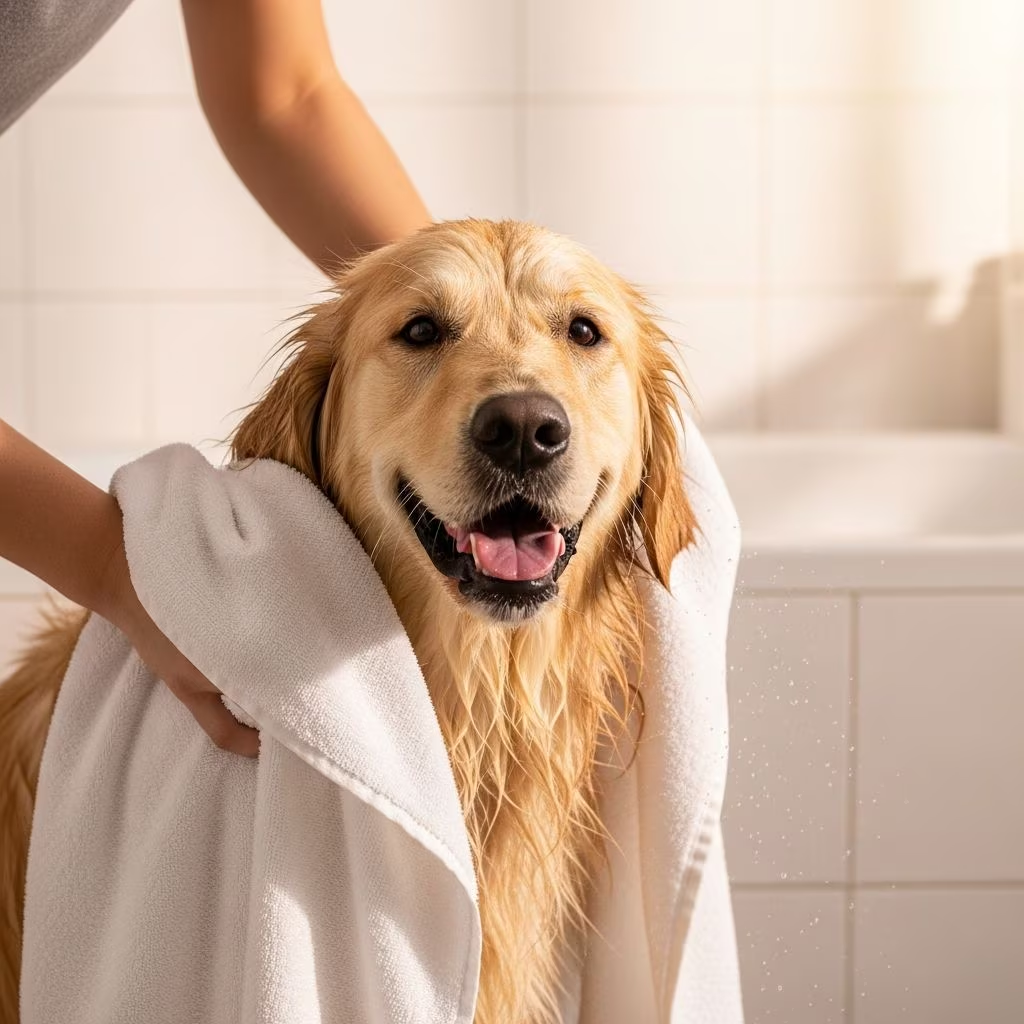
The most common mistake pet parents make is vigorously rubbing their dog’s coat with a towel. This approach can lead to tangles and matting, particularly in dogs with thick or long coats. Instead, professional groomers recommend a gentler approach: starting from your dog’s head and working backward toward the tail, gently squeeze water out of their hair using the towel. Press the towel on the wet fur to absorb as much water as possible, then repeat this process with clean sections of the towel until your pet is sufficiently dry.
For dogs with longer coats or those prone to ear infections, you may want to use cotton balls to gently dry the dog’s ears, which helps prevent water from becoming trapped in the ear canal and contributing to infections.
Hair Dryer Methods
For thick-coated dogs that will tolerate it, a dog-friendly hair dryer can be an excellent option. Modern high-velocity dryers without heat are particularly popular among professional groomers because they use strong air pressure to blow moisture out of the coat without the risk of burning your dog’s skin.
If you’re using a standard household hair dryer, follow these important safety guidelines:
- Use the lowest heat setting to avoid burning your dog’s sensitive skin
- Keep the nozzle a couple of inches away from your dog’s fur
- Always keep the nozzle in constant motion to prevent concentrating heat in one spot
- Avoid using the dryer around the ears, as this can force water deeper into the ear canal and contribute to ear infections
- Move the nozzle back and forth in short strokes, mimicking a massage-like motion
For thick-coated dogs, drying typically requires a two-step process: begin with towel drying, then follow up with a blow dryer to ensure complete moisture removal.
Air Drying Considerations
While air drying seems like the easiest option, it comes with significant drawbacks. Allowing your dog to air dry can lead to several unintended consequences, including fungus growing between paw pads and in areas where legs attach to the torso. Additionally, most dogs will roll on furniture or floors to dry their coats, undoing all the bathing work and creating a mess.
Air drying is particularly problematic for dogs with thick, long, or double coats, especially in humid weather conditions. Even short-coated dogs may benefit from some form of active drying rather than relying solely on air drying. If you must allow air drying, do so only in warm, dry indoor environments, never outdoors where your dog might roll in grass, dirt, or mud.
Quick-Drying Sprays
Quick-drying sprays contain products designed to help water wick away from your dog’s coat more efficiently. While these sprays can theoretically reduce drying time, results vary significantly among different products and dogs. If you decide to experiment with quick-drying sprays, you may need to try different amounts to find what works best for your individual pet.
Special Considerations for Dogs Prone to Hot Spots
If your dog has a history of hot spots, allergies, or other skin conditions, proper drying becomes even more essential. For dogs with long hair, thick coats, or undercoats, even slightly damp fur can cause redness, itching, or hot spot development. Dogs who enjoy swimming frequently in warm weather are particularly susceptible. If your dog swims regularly, rinse them off with clean water and dry them thoroughly afterward. A simple towel may suffice for short-coated dogs, but longer or double-coated dogs require brushing and blow dryer use. Remove any mats you discover while grooming, as these trap moisture and create ideal environments for skin infections.
Treating Hot Spots: A Veterinary Perspective
If your dog develops a hot spot despite your best drying efforts, professional veterinary treatment is necessary. Treatment typically begins with clipping any hair in the affected area and cleaning it with an antimicrobial solution. Veterinarians then apply a topical steroid ointment to the affected area, and some prescribe oral steroids to reduce inflammation. Any secondary skin or ear infections are addressed separately, and an Elizabethan collar (cone) is usually recommended to prevent your dog from scratching and worsening the condition.
Moisture Management by Coat Type
| Coat Type | Recommended Drying Method | Special Considerations |
|---|---|---|
| Short-Coated Dogs | Towel drying; air drying acceptable | Lower risk of matting; quick air drying indoors is generally safe |
| Double-Coated Dogs (Poodles, Goldendoodles) | Towel drying followed by blow dryer | High risk of matting and moisture trapping; avoid air drying in humid weather |
| Long-Coated Dogs | Towel drying with blow dryer and brushing | Remove mats during drying; pay special attention to areas between legs and torso |
| Dogs with Sensitive Skin or Injuries | Gentle towel drying or air drying | Avoid vigorous rubbing or heat that might irritate existing abrasions or incisions |
Best Practices for Post-Bath Drying
- Invest in high-quality, absorbent towels or microfiber towels designated specifically for your pet
- Establish drying as an essential step in your bathing routine, not an afterthought
- Never leave your dog outdoors to air dry, where they may roll in grass or dirt
- For dogs with thick or double coats, use both towels and a blow dryer for thorough drying
- Pay special attention to areas where moisture commonly becomes trapped: between paws, under the tail, between legs, and in ear canals
- If your dog has a history of hot spots or allergies, consider more thorough drying methods regardless of coat type
- Be gentle when drying to avoid creating tangles or matting in longer coats
- Consider using cotton balls to gently dry inside your dog’s ears if they’re prone to ear infections
Frequently Asked Questions
Q: Can wet dogs develop skin infections if left damp?
A: While simply being wet doesn’t automatically cause infection, moisture significantly increases infection risk if your dog’s skin is already compromised. Dogs with hot spot history, allergies, or other skin conditions are particularly vulnerable. Moist environments promote bacterial and fungal growth, especially in areas where moisture becomes trapped in matted fur.
Q: How long should I dry my dog after a bath?
A: Your dog doesn’t need to be completely bone-dry, similar to towel-drying hair. However, most moisture should be removed actively through toweling or blow drying. The exact duration depends on coat type, size, and thickness. Thick-coated dogs may require 15-30 minutes of combined towel and blow dryer use, while short-coated dogs may only need 5-10 minutes of towel drying.
Q: Is it safe to use a regular human hair dryer on my dog?
A: Yes, but with important precautions. Always use the lowest heat setting, keep the nozzle several inches away from the skin, maintain constant motion to avoid heat concentration, and never use it around the ears. Dog-specific dryers or high-velocity dryers without heat are safer alternatives.
Q: Why are double-coated dogs more prone to hot spots?
A: Double-coated dogs like Poodles and Goldendoodles have fur that easily mats, creating pockets where moisture becomes trapped between the mat and skin. These damp, dark environments create ideal conditions for hot spot development. Thorough drying and regular grooming to remove mats are essential for these breeds.
Q: What’s the best way to dry a dog’s ears after a bath?
A: Gently dry your dog’s ears with cotton balls rather than a towel. Avoid using a blow dryer near the ears, as this can force water deeper into the ear canal and contribute to ear infections. Simply insert the cotton ball gently and let it absorb the moisture inside the ear flap.
Q: Can air drying work for any dog breed?
A: Air drying may be acceptable for some short-coated dogs in warm, dry indoor environments, particularly if they have sensitive skin or existing abrasions. However, it’s not recommended for thick, long, or double-coated dogs, especially in humid conditions. Most dogs will also roll on furniture or floors to dry themselves, undoing the bath.
References
- The One Thing You Should Never Do When Giving Your Dog a Bath — Kinship. Accessed January 14, 2026. https://www.kinship.com/dog-health/dry-off-dog-after-bath-hot-spots
- 4 Methods For Drying Your Dog After A Bath — Dog Lovers Towel. Accessed January 14, 2026. https://dogloverstowel.com/blogs/news/no-wet-zone-4-methods-for-drying-your-dog-after-a-bath
- Tips for Drying Your Dog After Bath — All Paws Pet Wash. Accessed January 14, 2026. https://allpawspetwash.com/tips-on-how-to-dry-a-dog-after-a-bath/
- Hot Spots — Cornell University College of Veterinary Medicine, Riney Canine Health Center. Accessed January 14, 2026. https://www.vet.cornell.edu/departments-centers-and-institutes/riney-canine-health-center/canine-health-topics/hot-spots
- Drying a Dog After a Bath — Animal Behavior College. Accessed January 14, 2026. https://www.animalbehaviorcollege.com/blog/animal-career-advice/grooming/drying-a-dog-after-a-bath/
- The Complete Guide to Properly Drying Your Dog After a Bath — The Funky Poodle. Accessed January 14, 2026. https://www.thefunkypoodle.com/blogs/the-funky-fur-files/properly-drying-your-dog-after-a-bath



