

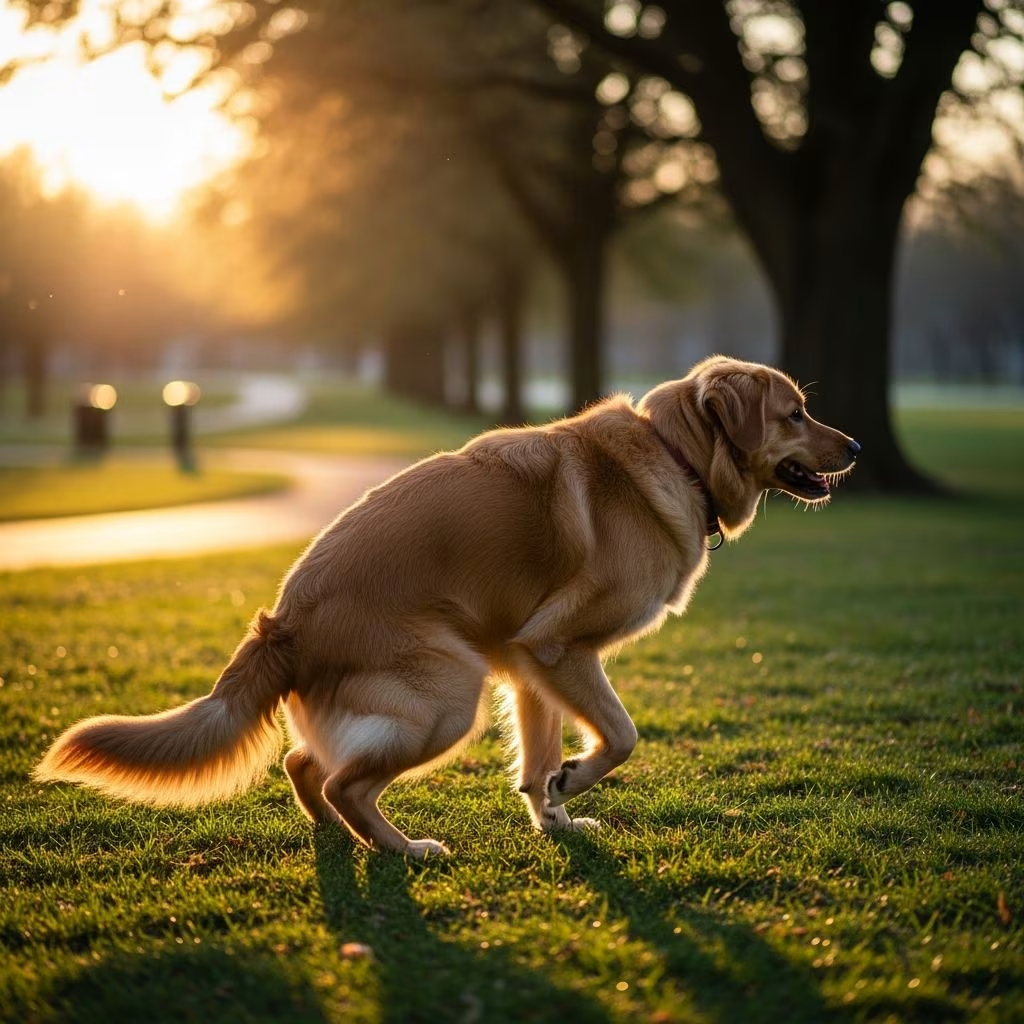
Dogs walking while pooping is a common yet puzzling sight for many pet owners. This behavior stems from a mix of natural instincts, environmental factors, and potential health issues, helping dogs maintain safety during a vulnerable moment.
Instinctual Roots of Walking During Defecation
Canines evolved in the wild where eliminating waste left them exposed to predators. Walking while pooping allows modern dogs to mimic ancestral patterns of not lingering in one spot, reducing perceived risk even in safe suburban yards.
This habit also ties to territorial marking. By distributing feces over a wider area, dogs spread their scent more effectively, signaling presence to other animals. Research on magnetoreception shows dogs often align north-south during calm conditions, and walking may help achieve this orientation.
Environmental Influences on Poop Walking
Urban walks stimulate movement, increasing gut motility through elevated heart rate and blood pressure, prompting defecation mid-stride. Grassy patches or uneven terrain might feel ideal, leading dogs to shuffle until satisfied.
- Sniffing rituals: Extensive pre-poop sniffing evaluates safety and comfort via pheromones, often resulting in a mobile choice.
- Routine spots: Repeated visits to favored areas build habit, but distractions cause wandering.
- Height preferences: Elevated spots like mounds offer better vigilance, prompting steps to position.
Anxiety and Stress as Key Triggers
Stressed dogs pace during elimination to stay alert, scanning for threats while vulnerable. New environments, loud noises, or separation anxiety amplify this, turning a stationary squat into a stroll.
Post-poop zoomies or frantic dashes signal relief mixed with residual tension, especially if pain accompanies the act. Observing patterns helps distinguish normal nerves from deeper issues.
Physical Discomfort and Medical Causes
Walking while pooping often indicates gastrointestinal upset. Diarrhea makes clean release difficult, causing mid-motion drops. Anal gland problems, worms, or joint pain force movement to alleviate pressure.
| Symptom | Possible Cause | Action |
|---|---|---|
| Walking + loose stool | Diarrhea, diet change | Monitor diet, vet if persistent |
| Scooting after | Anal gland issues | Vet exam for expression |
| Straining walk | Constipation, parasites | Fecal test, hydration boost |
| Zoomies + yelps | Pain, infection | Immediate vet visit |
Pre-Poop Behaviors: Circling and Kicking Explained
Circling flattens grass, stimulates bowels, or aligns magnetically before squatting. It’s a multi-purpose ritual ensuring the spot suits instincts.
Post-poop kicking scatters dirt—either to bury scent (hiding vulnerability) or broadcast it (territorial claim). Anxious dogs bury; confident ones flaunt.
Staring and Social Dynamics During Elimination
Dogs locking eyes during defecation seek human reassurance, evolved from pack vigilance where group members watched out. This trust-building glance confirms safety.
Training Tips to Curb Walking While Pooping
Consistency trains better habits. Choose quiet times and spots, rewarding stationary poops with treats.
- Shorten leash during walks to limit movement.
- Use commands like “stay” or “potty” pre-elimination.
- Increase exercise pre-walk to front-load urges.
- Avoid distractions; walk early mornings.
Patience yields results—most dogs adapt within weeks.
When to Consult a Veterinarian
Sudden changes warrant checks. Persistent walking with blood, mucus, weight loss, or appetite shifts signals issues like colitis, allergies, or obstructions.
Routine wellness includes fecal exams for parasites, crucial since worms prompt scooting or pacing. Puppies and seniors need prompt attention.
Breed and Age Variations in Habits
Small breeds like Chihuahuas distract easily, pacing more. Herding dogs retain scanning instincts, walking vigilantly. Puppies experiment; elders face mobility limits, straining mid-stride.
Nutrition’s Role in Healthy Elimination
Fiber-rich diets firm stools, easing stationary poops. Probiotics support gut health, reducing discomfort-driven walks. Hydration prevents constipation pacing.
FAQs on Dog Pooping Behaviors
Is walking while pooping normal?
Yes, for many dogs, rooted in instinct. Monitor for changes.
Why does my dog circle so much before pooping?
To prepare the spot, stimulate digestion, or orient magnetically.
What if my dog poops then runs?
Zoomies celebrate relief or shake stress. Vet if pained.
Can anxiety cause poop walking?
Absolutely; it keeps them alert during vulnerability.
How to stop it on walks?
Train with rewards, short leashes, and routine.
Enhancing Your Dog’s Comfort
Provide private yard spots mimicking wild safety. Rotate areas to prevent overuse. Observe body language—relaxed tails mean habit; tucked ones signal worry.
Understanding these quirks deepens bonds, spotting health flags early for joyful companionship.
References
- 10 Weird Things Your Dog Does While Pooping, Explained — Kinship. 2023. https://www.kinship.com/uk/dog-behaviour/dog-pooping-behaviours
- Why Does My Dog Walk While Pooping: Unraveling the Mystery — UAH Pet. 2024. https://www.uahpet.com/blogs/post/why-does-my-dog-walk-while-pooping-unraveling-the-mystery
- Why Do Dogs Walk and Poop? Unpacking Canine Bathroom Behavior — Pooptopia. 2026. https://pooptopia.dog/woof-to-waste-blog/f/why-do-dogs-walk-and-poop-unpacking-canine-bathroom-behavior
- Why that walk brings on poo time! — Drool by Dr. Chris Brown. 2024. https://www.drool.pet/blogs/the-why/seriously-why-do-dogs-poop-so-much-on-walks



