

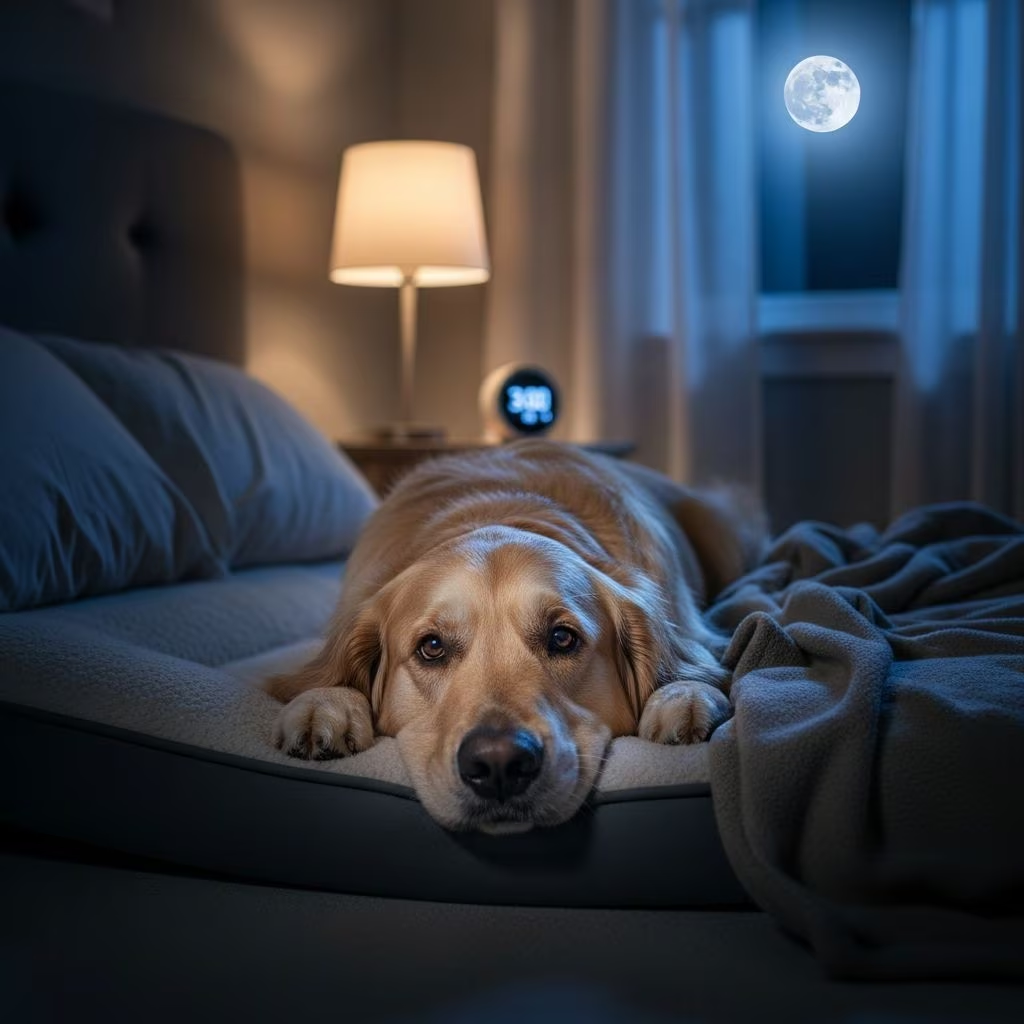
Your faithful companion’s sudden nighttime awakenings can turn restful evenings into exhausting ordeals. These disruptions often stem from a mix of physiological needs, behavioral patterns, and environmental factors that interrupt their natural sleep cycles. Understanding the root causes empowers you to implement targeted solutions, ensuring both you and your dog enjoy deeper, more restorative sleep.
Common Triggers for Nighttime Interruptions in Dogs
Dogs, like humans, require consistent sleep for optimal health, but various issues can jolt them awake. From basic biological urges to complex health concerns, pinpointing the trigger is the first step toward resolution.
Physiological Needs: Hunger, Thirst, and Elimination
One of the simplest explanations for a dog rising in the dark hours is an unmet physical demand. If dinner occurs too close to bedtime or water bowls remain full late into the evening, the body signals a need to void or refuel. Puppies and seniors are particularly prone, as their bladders hold less and metabolism slows with age.
- Adjust feeding schedules to end meals 3-4 hours before sleep, allowing time for digestion and outdoor relief.
- Limit water after 7 PM, except for small amounts during evening walks, to minimize accidents.
- Establish a pre-bedtime potty routine: a final yard trip right before lights out reinforces bladder control.
These adjustments often yield quick improvements, transforming erratic nights into predictable rest.
Insufficient Daily Activity and Mental Fatigue
A dog bursting with unspent energy will pace, whine, or nudge you awake seeking stimulation. Modern indoor lifestyles mean many pets nap excessively during daylight, leaving them wired after sunset. Mental boredom compounds this, as understimulated brains crave engagement.
| Activity Type | Benefits | Daily Recommendation |
|---|---|---|
| Physical Exercise (walks, fetch) | Burns calories, releases endorphins | 30-60 minutes |
| Mental Games (puzzles, scent work) | Boosts cognitive function, reduces stress | 15-20 minutes |
| Social Interaction (playdates, training) | Builds confidence, prevents isolation | 10-15 minutes |
Incorporate these into afternoons to align energy expenditure with natural wind-down periods, promoting drowsiness by bedtime.
Health-Related Causes Disrupting Canine Slumber
Beyond lifestyle factors, underlying medical conditions frequently manifest as nocturnal disturbances. Prompt veterinary evaluation distinguishes benign habits from serious ailments.
Infections and Organ Dysfunction
Urinary tract infections (UTIs) top the list, causing frequent, urgent needs that intensify at night when movement slows. Kidney disease or diabetes similarly escalates urination, often paired with increased thirst. Gastrointestinal upset, from food sensitivities to blockages, triggers discomfort that peaks in quiet hours.
Symptoms to monitor include:
- Straining or frequent small urinations
- Accidents indoors despite house training
- Lethargy, weight loss, or vomiting during day
Diagnosis via urinalysis or bloodwork guides antibiotic or dietary interventions, restoring normalcy within days.
Pain and Mobility Challenges
Arthritis in older dogs stiffens joints overnight, prompting shifts for comfort. Dental pain, injuries, or skin irritations from allergies itch relentlessly, overriding sleep. These pains amplify in stillness, leading to whining or limping awakenings.
Non-invasive aids like orthopedic beds, joint supplements (glucosamine), and warm compresses alleviate symptoms while awaiting professional care.
Behavioral and Psychological Factors at Play
Dogs thrive on routine; deviations breed unease that surfaces nocturnally. Emotional states heavily influence sleep quality.
Anxiety and Stress Responses
Separation anxiety peaks when household quiets, with dogs alerting you for reassurance. New environments, fireworks, or household changes heighten vigilance, causing panting or pacing. Signs include clinginess pre-bed and destructive tendencies if ignored.
Counter with desensitization: gradual alone-time practice, calming pheromone diffusers, and white noise machines mask external sounds.
Age-Specific Sleep Pattern Shifts
Puppies explore dreams vividly, often stirring. Adults settle into 12-14 hour cycles, but seniors face canine cognitive dysfunction (CCD), akin to dementia. CCD erodes sleep-wake distinctions, yielding confusion, vocalizing, and wandering.
Management blends medication (vet-prescribed), enriched environments (consistent lighting, familiar scents), and daytime naps limited to promote evening fatigue.
Rare but Notable Sleep Pathologies
Though uncommon, true sleep disorders warrant attention. Insomnia arises from pain, itch, or anxiety, marked by prolonged wakefulness and daytime somnolence. Sleep apnea, tied to obesity, involves snoring pauses and sudden gasps. REM behavior disorder unleashes dream-enacting thrashing, prevalent in young dogs.
Video your dog’s sleep for vet review; polysomnography rarely needed. Treatments range from weight loss to anti-seizure meds.
Step-by-Step Plan to Reclaim Nighttime Peace
Systematic troubleshooting minimizes guesswork:
- Track Patterns: Log awakenings, meals, exercise, and symptoms for 7 days.
- Optimize Environment: Darken rooms, maintain 65-70°F, provide secure bedding.
- Enhance Routine: Fixed wake-feed-walk-sleep cycles build security.
- Vet Check: Rule out illness within 48 hours if persistent.
- Behavioral Tweaks: Ignore attention bids; reward calm settling.
Most cases resolve in 1-2 weeks with diligence.
Preventive Strategies for Lifelong Sound Sleep
Proactive habits avert issues:
- Annual senior wellness exams detect early decline.
- Balanced diet supports urinary and joint health.
- Mental agility training via toys delays cognitive fade.
- Stress audits: ID and mitigate triggers like storms.
Frequently Asked Questions
Is nighttime waking always a health emergency?
No, but if paired with appetite loss, vomiting, or distress, seek immediate care. Isolated incidents often tie to routine.
How long before consulting a vet?
Three consecutive nights or additional symptoms demand evaluation to exclude infections or pain.
Can diet alone fix this?
Diet aids UTIs or allergies but not anxiety or CCD; holistic approaches best.
What about breed predispositions?
Brachycephalics (e.g., Bulldogs) risk apnea; herding breeds anxiety. Tailor to genetics.
Do calming aids work?
Yes, CBD treats or melatonin (vet-dosed) soothe many, sans side effects in trials.
References
- Why is my dog suddenly waking me up in the middle of the night — Dial A Vet. 2023. https://www.dialavet.com/vet-answers/dog-waking-up-at-night-155206
- My Dog Is Waking Up in the Middle of the Night, What’s Wrong? — Dogster. 2024-01-15. https://www.dogster.com/dog-health-care/dog-waking-up-in-middle-of-night
- Nighttime Waking in Senior Dogs: Understanding and Managing Sleep Disruptions — LifeCare Pet Hospital. 2023-11-20. https://www.lifecarepethospital.com/services/dogs/blog/nighttime-waking-senior-dogs-understanding-and-managing-sleep-disruptions
- Nighttime Anxiety in Pets: Causes and Easy Comforting Tips — Mission Road Animal Clinic. 2024. https://www.missionroadanimalclinic.com/nighttime-anxiety-pets-causes-comfort-tips/
- 4 Most Common Sleep Disorders in Dogs — PetMD. 2024-05-10. https://www.petmd.com/dog/general-health/most-common-sleep-disorders-dogs



